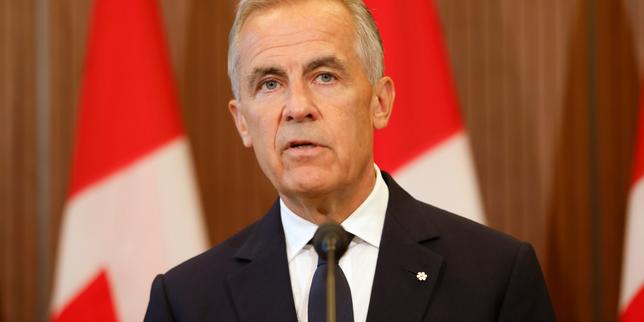
The long-standing illusion of an unbreakable alliance just shattered. When last-minute negotiations collapsed in Washington, the United States didn't just walk away from the table. It slammed down a punishing 50% tariff on roughly $20 billion worth of Canadian goods. Canadian Prime Minister Mark Carney pulled his negotiating team back to Ottawa, declaring that the old bilateral relationship is dead.
If you think this is just another routine political spat over softwood lumber or dairy quotas, you are missing the entire plot. This marks a permanent structural break in North American commerce. If you liked this post, you should read: this related article.
Why the Talks Actually Collapsed
Both sides spent weeks trying to hammer out a compromise before the extended deadline. Hopes flickered that a deal would salvage preferential trade terms. Instead, everything blew apart over late-stage maneuvering.
Carney pointed the finger squarely at Washington, stating that last-minute shifts in the proposed terms were unfair, uneconomic, and destroyed any sense of reliability. Canadian officials balked when the White House introduced fresh conditions regarding domestic sovereignty, cultural protections, and vehicle manufacturing relief. For another angle on this story, check out the recent coverage from Forbes.
On the other side, U.S. trade representatives argued that Canada wanted too many exemptions on steel, aluminum, and automobiles while refusing to offer reciprocal concessions. U.S. officials insisted the measures are entirely about reshoring manufacturing and protecting domestic supply chains.
The Nuclear Option From the 1930s
To enact these steep penalties without congressional approval, the Trump administration pulled an obscure legal mechanism straight out of the Great Depression. They invoked Section 338 of the Tariff Act of 1930, a provision originally tied to the infamous Smoot-Hawley tariffs that economists blame for worsening global economic collapse a century ago.
This marks the first time Section 338 has ever been actively deployed. It grants the executive branch the authority to slap up to 50% import taxes on nations deemed to be discriminating against American business, requiring zero preliminary investigations and setting no expiration date.
The targeted $20 billion slice of Canadian exports covers everything from industrial components to everyday items like hockey sticks and tongue depressors. While it represents only about 5% of total Canadian shipments south of the border, the psychological and sector-specific impact is immediate.
Canada Strikes Back With Dollar-for-Dollar Penalties
Ottawa isn't absorbing the blow quietly. Carney made it clear that Canada will match the American penalties dollar for dollar, with retaliatory tariffs scheduled to hit U.S. goods immediately after Labour Day.
The counter-measures are designed to sting. They target key American sectors, including steel, appliances, agricultural equipment, pulp, paper, and electronics. Provincial leaders, such as Ontario Premier Doug Ford, have backed the hardline response, signaling unity within Canada's political leadership even as business groups panic over impending supply chain chaos.
Economists are already warning about the fallout. Analysts at major Canadian financial institutions estimate that tens of thousands of jobs could be jeopardized, particularly in manufacturing hubs across Ontario and Quebec. American importers face immediate cost spikes, which businesses will likely pass directly to consumers already exhausted by persistent inflation and high living costs ahead of upcoming midterm elections.
What This Means for the Future of North American Trade
The foundational architecture of North American free trade is fracturing. For decades, businesses operated under the assumption that the 5,525-mile undefended border functioned as a frictionless highway for integrated industries. Car parts crossed the border multiple times before a vehicle was finished. Those days are gone.
Carney’s blunt assessment that America has fundamentally changed signals a strategic pivot for Canada. Expect Ottawa to accelerate efforts to diversify its trade portfolio away from a superpower that accounts for roughly 70% of its exports. Reliance on a single volatile trading partner is no longer viewed as a safe bet by Canadian policymakers.
If you run a business with cross-border supply chains, stop waiting for a diplomatic rescue. Audit your exposure to Section 338 penalty lists immediately, re-evaluate your supplier contracts, and start modeling alternative logistics channels before retaliation cycles drive input costs even higher.