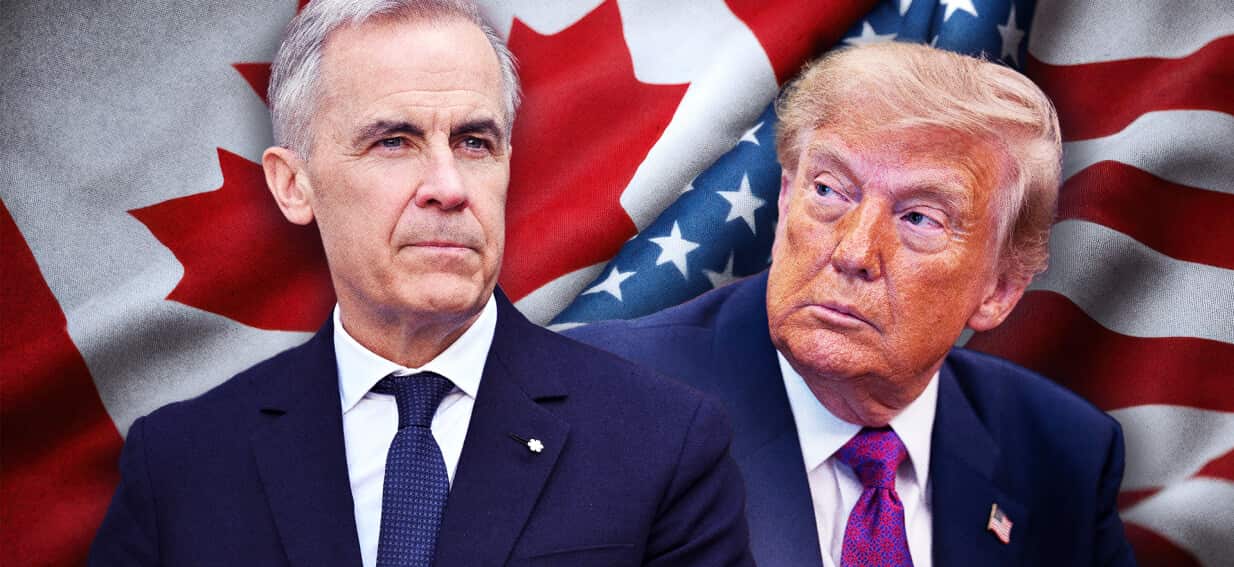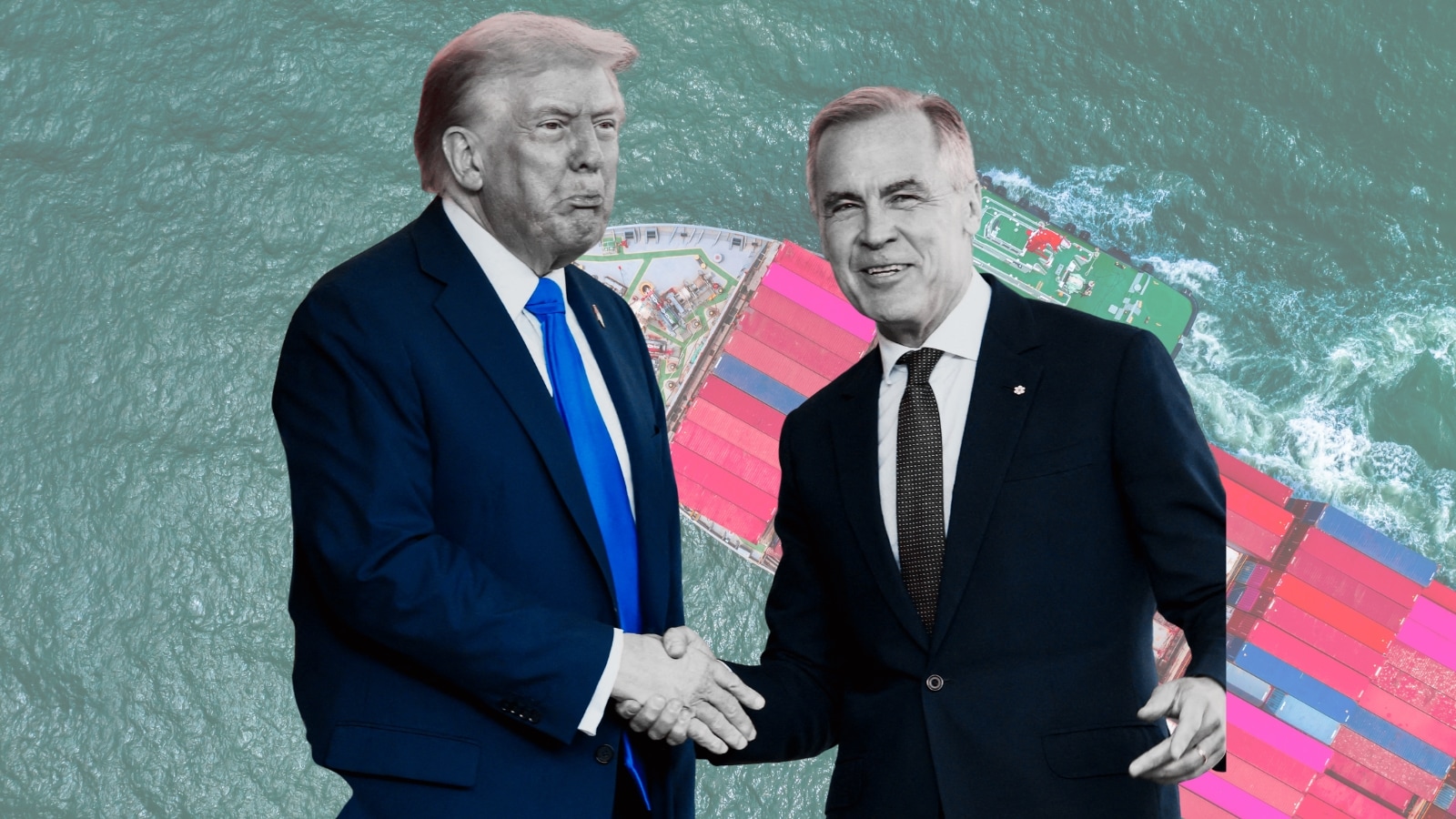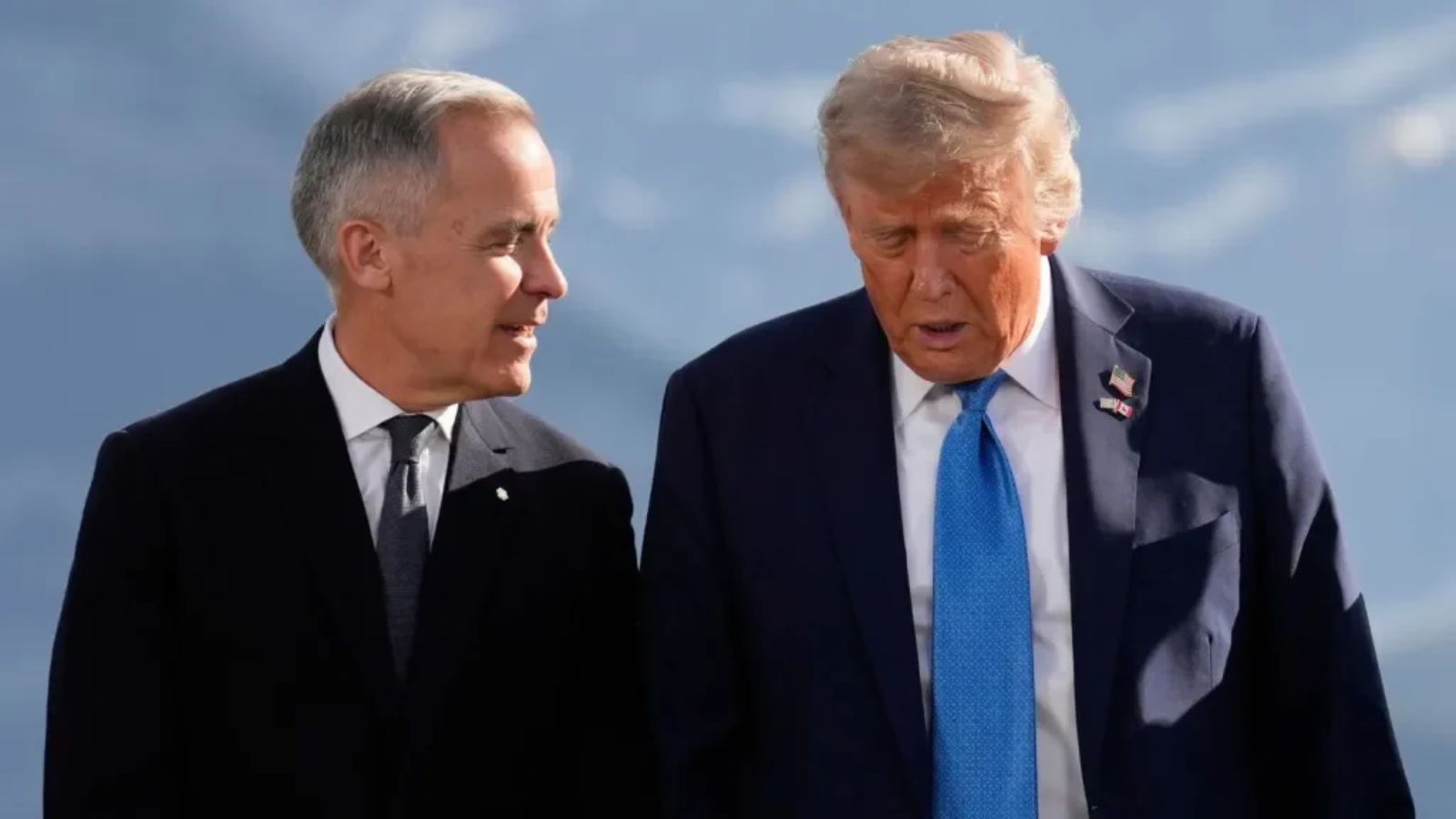
The headlines are screaming about a cross-border trade war. Every mainstream outlet is running the exact same panic-porn narrative claiming that sweeping bans on Canadian alcohol, dairy, and motorcycles are imminent casualties of a tit-for-tat escalation.
They are missing the entire point.
I have spent the last fifteen years watching politicians posture over border tariffs while supply chain architects quietly rewrote the rules of North American commerce behind closed doors. This current noise about a total freeze on northern imports is lazy journalism built on a fundamental misunderstanding of how modern regulatory friction actually operates. Governments do not blow up multi-billion-dollar supply chains overnight over petty political spats. They use targeted administrative sand in the gears while leaving the engine blocks intact.
If you are panicking about your local liquor store running dry of Canadian whisky or losing access to northern dairy products, you are falling for the exact theater the protectionists want you to buy.
The Lazy Consensus On Border Retaliation
The standard narrative goes like this: Country A slaps a tariff on aluminum or softwood lumber, Country B retaliates by targeting iconic consumer goods like craft beer, cheese, or heavy machinery to inflict maximum political pain on specific domestic districts, and a vicious cycle of economic self-harm begins.
It sounds logical if your understanding of economics begins and ends with a high school textbook. It falls apart the moment you look at the corporate ownership structures and logistical dependencies binding the United States and Canada.
Modern manufacturing is not national. A bottle of Canadian liquor often contains glass from Ohio, grain from the Midwest, and a label printed in Pennsylvania before it ever gets distilled and bottled north of the 49th parallel. When regulators talk about banning or heavily penalizing cross-border goods, they are trying to untangle a bowl of spaghetti with a chainsaw. They quickly realize that hurting the neighbor means severing an artery in their own domestic distribution network.
What we are actually seeing is not a total embargo. It is a compliance shakedown. It is weaponized bureaucracy. Bureaucrats do not need to institute an outright ban to achieve protectionist goals; they simply weaponize phytosanitary rules, labeling standards, and customs delays until importing becomes economically unviable for smaller players while leaving multinational conglomerates untouched.
Follow The Margin Not The Mandate
Let us look at the dairy and alcohol sectors specifically. The lazy consensus assumes that ordinary consumers bear the brunt of these trade wars through empty shelves and soaring prices.
Reality is far more cynical.
When regulatory barriers spike, large corporations with deep pockets absorb the short-term compliance costs, pivot their sourcing slightly, and use the artificial scarcity to expand their profit margins. I have seen mid-sized importers go bankrupt overnight because a new customs interpretation held up perishable dairy shipments at the border for four extra days, while industry giants with pre-cleared fast-track logistics happily filled the vacuum at a thirty percent markup.
The trade war is not a battle between nations. It is a hostile takeover of market share orchestrated by domestic incumbents using the state as a blunt instrument.
When you hear that motorcycles or specialized beverages are being targeted in retaliation packages, ask yourself who benefits from the disruption. It is never the consumer. It is the legacy competitor down the street who could not win your business on price or quality, so they hired a lobbyist to price the Canadian alternative out of the market.
The Uncomfortable Truth About Protectionism
I will admit the downside of my perspective: it requires you to accept that free trade has been dead for a long time, replaced by managed corporate cartels operating under national flags.
Admitting that is uncomfortable because it strips away the comforting illusion that your grocery bill or your favorite imported stout is priced according to supply and demand. It is priced according to political triage.
The politicians shouting about banning Canadian goods know full well that a total economic decoupling is impossible. Our economies are too deeply integrated, our financial systems too intertwined, and our infrastructure too physically connected at every border crossing from Detroit to Vancouver.
Stop reading the sensationalized alerts about total bans. Start looking at the tariff codes, the customs broker fee structures, and the administrative delays. That is where the real trade war is being fought. And while the pundits are busy arguing over who started the fight, the corporate giants are quietly carving up the spoils.
Never mistake a regulatory headache for a border closure. One is a weapon for rent-seekers; the other is economic suicide. And politicians rarely have the stomach for the latter, no matter how loud they yell for the cameras.