Canada isn't opening an embassy in Iran or Venezuela anytime soon. Despite a sudden wave of rumors and an ongoing humanitarian crisis, the federal government locked the door on that possibility.
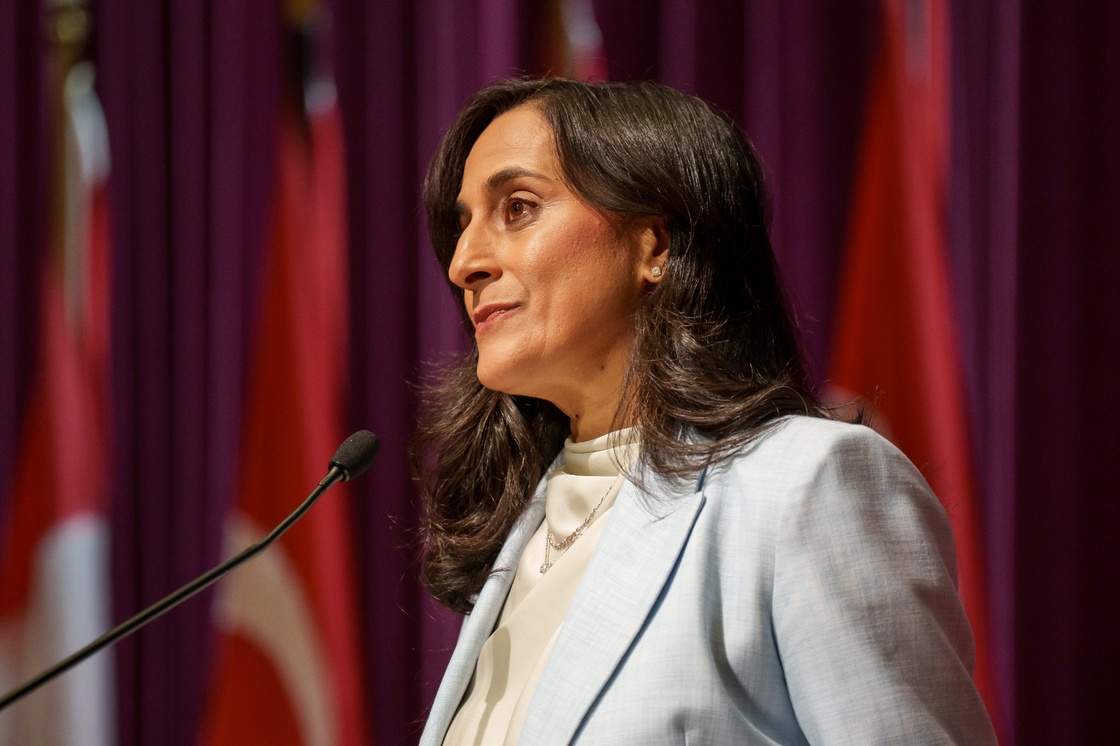
Foreign Affairs Minister Anita Anand made the position clear during an Ottawa news conference alongside Turkish Foreign Minister Hakan Fidan. She confirmed that the federal government has no current plans to re-establish a diplomatic footprint in Tehran or Caracas.
This announcement follows an intense week of political chatter. A diaspora group called the Iranian Justice Collective recently claimed a source tipped them off about Ottawa planning to restore ties with Tehran. Then, Prime Minister Mark Carney openly admitted that lacking a local diplomatic presence leaves Canada at a distinct disadvantage during international emergencies.
But admitting a vulnerability doesn't mean a policy shift is coming. Ottawa is choosing to keep its distance, even if it makes helping stranded citizens a logistical nightmare.
The Cost Of Empty Embassies In A Crisis
When major emergencies strike, empty embassies matter. Venezuela was hit by massive, deadly dual earthquakes that left more than 230 people dead and thousands missing. For the estimated 800 registered Canadians currently in Venezuela, getting direct help from their government is nearly impossible.
Canada doesn't have diplomats on the ground in Caracas. Instead, officials are trying to manage the emergency response from the Canadian mission in Bogota, Colombia. It's a clumsy, long-distance fix for a fast-moving disaster.
The situation in Iran is just as complicated. Canada relies on Italy as an intermediary to handle consular issues for Canadians in Tehran. Anand openly admits that using a third-party country isn't efficient.
Prime Minister Carney defended his views by separating logistics from politics. He argued that having an embassy or providing consular services doesn't mean Canada endorses a regime's policies. You can look at it as a practical tool rather than a political reward.
Right now, Canada relies on nations that aren't natural allies just to help its citizens escape dangerous situations in Iran. That leaves Ottawa exposed, vulnerable, and dependent on the goodwill of others.
Why The Doors Stayed Shut
The diplomatic freeze with these two nations didn't happen overnight. It is the result of years of escalating tension, and reversing it requires breaking deep political gridlock.
The Iranian Stalemate
Canada severed diplomatic ties with Iran back in 2012 under Prime Minister Stephen Harper's government. The Iranian embassy in Ottawa has sat empty ever since, occasionally becoming a flashpoint for local protests and vandalism.
Earlier this year, Anand stated that real regime change would be necessary before Canada would even consider fully restoring formal relations with Tehran. Right now, Global Affairs Canada keeps its interactions with Iran strictly limited to three specific topics.
- Consular matters
- Human rights issues
- Nuclear non-proliferation
Conservative Leader Pierre Poilievre has kept up the political pressure at home, firmly opposing any move to reopen an embassy. He consistently points to Iran's track record of transnational repression and the 2020 downing of Flight PS752, which killed dozens of Canadians, as reasons to keep the doors locked permanently.
The Venezuelan Complication
The situation with Venezuela is slightly different because Canada never formally cut off diplomatic relations. However, the embassy in Caracas was shut down in June 2019. The closure happened after the Venezuelan government refused to renew visas for Canadian diplomats. This followed years of Ottawa backing Venezuelan opposition leaders after a widely discredited election.
Canadian diplomats told a Senate committee that Ottawa has considered restoring its diplomatic presence in Caracas. But there is a massive catch. They will only return if Canada can guarantee the physical safety and protection of its staff. Given the current political volatility in Venezuela, that security guarantee is nowhere insight.
How To Protect Yourself If You Are Traveling Abroad
With Ottawa refusing to build new diplomatic bridges, the burden of safety falls squarely on Canadian travelers and expats. If you are headed to a high-risk region where Canada has no official embassy, you need to prepare differently.
Register Your Travel Immediately
Never skip the Registration of Canadians Abroad service. If a crisis hits—like the earthquakes in Venezuela—Global Affairs Canada uses this registry to figure out who is in the country and where they are. If they don't know you are there, they can't coordinate with partner embassies to get you out.
Know Your Designated Intermediary
Before you buy a ticket, find out which country acts as Canada's protecting power in your destination. In Iran, that role belongs to Italy. Keep the contact information for the local Italian embassy on hand. Understand that their staff will have limited bandwidth, and Canadian citizens won't be their primary priority during a crisis.
Have An Independent Exit Strategy
Do not rely on the Canadian government to charter an evacuation flight. Keep active channels open with local commercial transit, maintain an updated passport, and secure secondary travel insurance that covers emergency political or environmental evacuation. If a region begins to destabilize, leave on a commercial flight immediately rather than waiting for a diplomatic rescue that might never come.