Saltwater hides everything. It washes blood off teak decks in seconds, swallows screams beneath the thrum of twin diesel engines, and turns a sprawling, multi-million-dollar playground into a closed system where the outside world simply ceases to exist.
We love watching that closed system from the comfort of our couches. Every week, millions of us tune in to watch manicured crews pour champagne for demanding charter guests, navigating Mediterranean coves and Caribbean straits under the watchful eye of Bravo's production cameras. On Below Deck, danger is an editorial construct—a dramatic sting of cello music before a commercial break when an anchor drags a few feet or a deckhand slips on a wet cleat. The captain is always there, grizzled and steady, barking orders into a radio until the crisis dissolves into a montage of sunset cocktails and tip meetings. Meanwhile, you can find related developments here: The Quiet Vanishing of Russell Brand and the Architecture of Digital Exile.
Then the cameras pack up. The producers fly home. And the ocean stops caring about ratings.
When news broke out of Turkey that a yacht captain known from the Below Deck franchise had been arrested following the death of a teenager, the headlines treated it like another piece of reality television gossip. A few paragraphs of dry police blotter prose. A mugshot or a press photo. A reminder of which season the captain appeared on, nestled between updates about cast feuds and reunion specials. To understand the complete picture, check out the excellent analysis by Deadline.
That framing misses the entire tragedy. It reduces a devastating loss of life—and a terrifying collision between maritime law, celebrity culture, and human fallibility—into a tabloid footnote.
The Illusion of the Television Bridge
If you have ever stood on the bridge of a working superyacht at three in the morning, you know that television lies to you about what command actually feels like.
On screen, a yacht looks like a floating resort. In reality, it is an industrial machine wrapped in mahogany and white lacquer. Thousands of gallons of fuel sit inches beneath the guest cabins. Hydraulic systems operate under enough pressure to sever steel. And the vessel itself—often weighing hundreds of tons—carries momentum that no amount of theatrical shouting can stop once a mistake is made.
I spent years working around coastal marinas and commercial vessels before ever writing a word about entertainment, and the smell of diesel exhaust mixed with damp hemp rope still triggers a very specific kind of vigilance in my chest. Out on the water, there is no 911 dispatcher sending an ambulance around the corner. There is no shoulder to pull onto when visibility drops or an engine stalls. Everything relies on a rigid, unforgiving chain of command where the person holding the master's license bears absolute legal and moral weight for every soul on board—and every soul in the water nearby.
Television edits out the boredom, the endless checklists, and the suffocating weight of that responsibility. Instead, it rewards charisma. It turns captains into characters—gruff sea dogs, suave Europeans, tough-love mentors—whose primary job appears to be delivering snappy soundbites while docking in tight marinas.
We start to believe the edit. Worse, sometimes the people on the boat start to believe it too.
What Happens When the Script Vanishes
Consider a hypothetical scenario—one that plays out in countless variations across busy summer anchorages every single year.
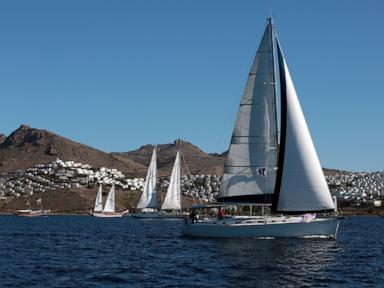
Picture a crowded Turkish bay in late afternoon. The water is glassy, tinted gold by a dropping sun that blinds anyone looking west. Dozens of vessels are swinging on their anchors: massive private motor yachts, local wooden gulets, rental speedboats buzzing between coves like mosquitoes. In the water, teenagers from a nearby charter or local beach are swimming, their heads barely visible above the gentle chop, indistinguishable from buoys or floating debris to a distracted eye.
Now put a captain at the helm—or put a crew under that captain's supervision—moving a tender or maneuvering a yacht in tight quarters.
Maybe someone is tired after a fourteen-hour shift. Maybe a lookout stepped away for thirty seconds to coil a line or check a phone. Maybe the sheer familiarity of the routine bred that quiet, lethal complacency that creeps in after a thousand uneventful trips between ship and shore.
One second, the prop is turning cleanly through clear blue water. The next, there is a dull thud that vibrates straight up through the hull and into the soles of your shoes.
Silence.
Not the dramatic silence of a reality show edit, where editors strip out the ambient noise to heighten suspense before cutting to commercials. Real silence. The kind where your ears ring and your stomach drops through the floorboards because you know, before you even look over the transom, that whatever just happened cannot be undone.
In maritime accidents involving swimmers or small craft, the physics are merciless. A spinning propeller or a multi-ton hull moving at even a few knots leaves almost zero margin for survival. By the time the engines are thrown into neutral, by the time someone dives in with a rescue ring, the tragedy is already complete.
And a teenager—someone who woke up that morning thinking about summer sun, cold drinks, and salt on their skin—never comes home.
Arrested Under Foreign Skies
When a fatal accident occurs in Turkish territorial waters, the glamour of international yachting evaporates instantly.
To understand why the arrest happened so swiftly—and why maritime cases abroad feel so jarring to Western audiences—you have to look at how coastal nations police their waters. Turkey sits at one of the busiest maritime crossroads on earth, stretching from the Aegean coves around Bodrum and Marmaris to the crowded straits of Istanbul. During peak yachting months, thousands of foreign-flagged vessels crowd its coastline, bringing immense wealth alongside constant operational risk.
Turkish maritime and criminal law does not treat a fatal boating incident as a mere civil insurance dispute. When a death occurs on the water, prosecutors immediately open a criminal investigation into potential negligence, reckless operation, or failure to maintain proper lookout and safety protocols. Under the Turkish Penal Code, causing death by negligence carries severe penalties, and authorities routinely detain the captain—regardless of who was physically holding the wheel at the exact moment of impact—because international maritime doctrine holds the master strictly accountable for the vessel's safe operation.
Imagine that transition.
One day, you are recognized in airport lounges and marina bars, fielding requests for selfies from fans who know your catchphrases by heart. You exist in a bubble of privilege where problems are solved with wire transfers, yacht agents, and diplomatic smoothing-over.
The next day, you are sitting in a fluorescent-lit police station in a foreign country, stripped of your passport, trying to communicate through a court-appointed translator while prosecutors examine logbooks, GPS tracks, and toxicology reports. Your reality show fame buys you zero leverage here. If anything, it turns every procedural step into international news, magnifying every detail before a single formal charge has even been fully argued in court.
The Invisible Stakes of the Superyacht Boom
The tragedy off the Turkish coast is not an isolated freak accident. It is a symptom of an industry growing faster than its safety culture can keep up.
Over the past decade, the global superyacht fleet has expanded dramatically, fueled by surging wealth and popularized by shows like Below Deck, which turned a previously secretive niche into mainstream aspirational entertainment. Suddenly, young crew members with minimal maritime backgrounds were flooding coastal hubs like Fort Lauderdale, Antibes, and Palma, chasing a lifestyle that promised fast cash, exotic travel, and perhaps even a shot at television stardom.
At the same time, charter seasons have grown longer and more intense. Turnarounds—the frantic window between one set of guests leaving and the next arriving—have compressed. Captains face relentless pressure from owners, brokers, and management companies to keep schedules moving, squeeze into crowded anchorages, and deliver seamless luxury regardless of fatigue or deteriorating conditions.
Think of a commercial airline pilot. Everything in modern aviation is built around redundancy, mandatory rest cycles, sterile cockpits during critical phases of flight, and an obsession with catching small errors before they align into catastrophe.
Now look at private and charter yachting. While large commercial vessels must comply with strict international regulations under the International Maritime Organization and flag-state inspections, the operational reality on smaller yachts and tenders often relies heavily on individual judgment. When a captain is stretched thin—managing logistics, appeasing demanding clients, supervising inexperienced deckhands, and navigating congested waters—the safety net develops holes.
Most of the time, luck fills those holes. A swimmer spots the boat in time and dives clear. A lookout shouts a split-second warning. The hull misses a drifting paddleboard by three feet, everyone exhales, and nobody logs a near-miss because nothing officially broke.
Until the day luck runs out.
The Person Missing From the Headlines
In the rush to dissect the celebrity angle—to debate which franchise spin-off the captain appeared on, whether Bravo will issue a statement, or what this means for future seasons—it is sickeningly easy to lose sight of the center of gravity in this story.
A family received a phone call that every parent on earth dreads.
They do not care about Nielsen ratings. They do not care about reality television editing, maritime jurisdictional nuances, or the career trajectory of a television personality. Somewhere, a bedroom sits empty. A pair of sandals is still sitting by a door. Friends are staring at group chats that will never receive another reply from someone who was supposed to have decades of life ahead of them.
We have a terrible habit in modern media of turning human tragedies into content ecosystems. The moment a recognizable name attaches itself to a disaster, our empathy gets hijacked by spectacle. We treat court proceedings like plot twists and tragedy like gossip.
That instinct is worth resisting. Because behind every maritime headline—stripped of the camera crews, the dramatic background music, and the glossy veneer of Mediterranean luxury—there is a brutal, permanent truth that every sailor learns sooner or later.
The sea does not know who you are. It does not care how many followers you have, how many seasons you filmed, or how steady your hands looked on screen. It demands absolute attention, every single second, without exception. And when that attention slips for even a heartbeat, the price is paid in full.