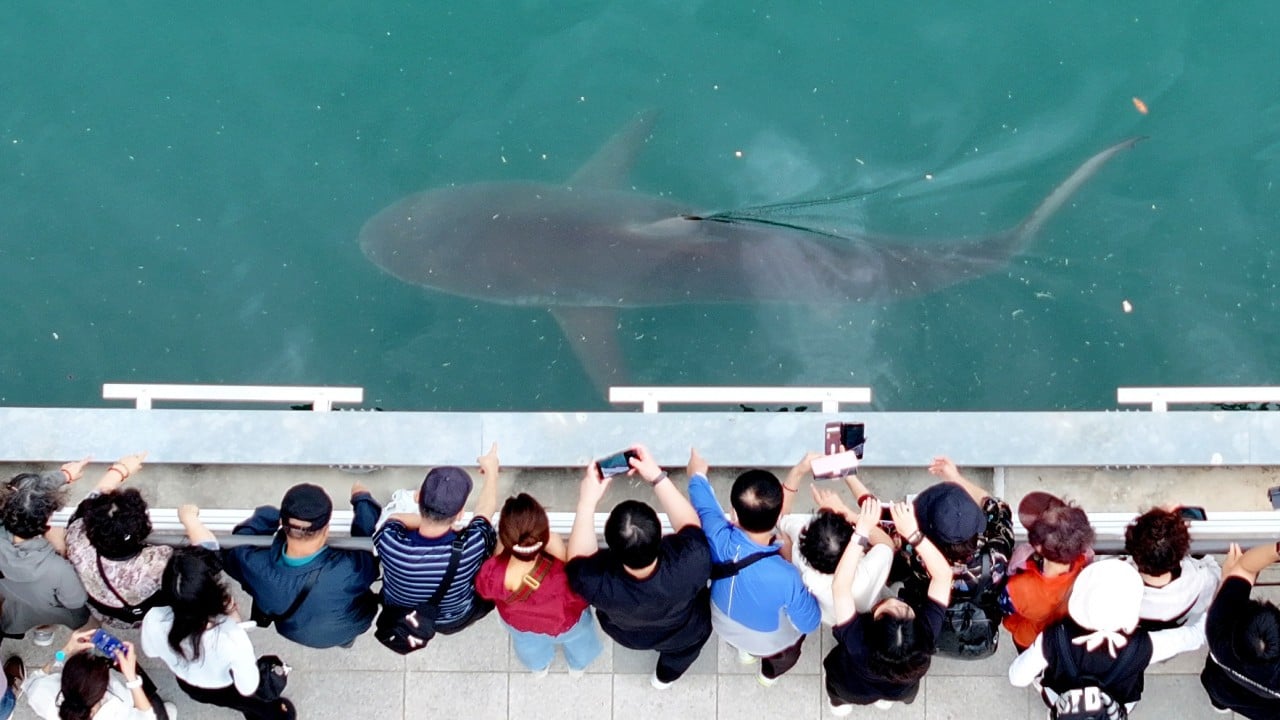
The headlines rolled out with sickening predictability. A rare marine animal wanders into coastal waters, meets a grim or stressful end, and the local tourism board treats the carcass like a winning lottery ticket. Retailers slap shark motifs onto keychains, coffee shops roll out themed lattes, and economic commentators write glowing op-eds about the unexpected retail windfall for Busan. We are told this is urban resilience. We are told this is nimble destination marketing.
It is nothing of the sort. It is economic ghoulishness disguised as innovation, and the fact that municipal leaders are popping champagne over a dead or distressed animal exposes a rot at the heart of modern destination branding.
Let us dispense with the lazy consensus immediately. The mainstream narrative argues that viral tragedies act as organic top-of-funnel marketing. The logic goes that attention is attention, foot traffic is foot traffic, and if a marine wildlife incident accidentally fills hotel rooms in Haeundae Beach, the moral accounting can wait until the quarterly tax receipts clear.
I have watched destination marketing organizations burn millions trying to manufacture buzz through sterile digital campaigns, only to pivot with unseemly haste the moment a piece of sensationalized misery drops in their lap. They call it seizing the moment. I call it administrative opportunism.
To understand why this playbook is a dead end, you have to look past the immediate spike in souvenir sales and examine the long-term structural decay it triggers. Busan does not have a visibility problem. It is South Korea’s second city, a massive logistical powerhouse, a historic port, and a cultural heavyweight. Treating it like a second-rate roadside attraction that needs a viral sideshow to survive is an insult to its actual economic foundation.
The Mirage of Transient Foot Traffic
Every time a viral sensation hits the news cycle, retail analysts scramble to map the bounce. They point to packed fish markets, surges in waterfront foot traffic, and a temporary bump in social media check-ins.
Here is what they leave out of the spreadsheets: the quality of that capital.
Tourists drawn in by morbid curiosity or internet novelty are the lowest-value visitors an economy can attract. They do not book repeat stays. They do not patronize high-end local services. They buy a cheap branded trinket, take a selfie next to a banner, litter on the boardwalk, and vanish before the weekend is over. Meanwhile, the permanent brand equity of the destination takes a subtle, cumulative hit.
When a city allows its primary cultural narrative to be hijacked by a freak occurrence, it signals to high-value travelers, digital nomads, and serious investors that the local tourism apparatus lacks discipline. It signals that management is reactive rather than strategic.
I’ve watched retail districts pivot entire seasonal inventories overnight to chase fleeting social media trends, only to be left holding warehouses full of unsellable novelty merchandise three weeks later when the collective attention span of the internet shifts to something else. That is not business acumen. That is gambling with a municipal balance sheet.
The Ecological Toll on Destination Branding
Destination marketing is ultimately about trust. Travelers choose where to spend their time and money based on psychological safety, authenticity, and environmental stewardship.
When a coastal hub turns a marine wildlife crisis into a commercial festival, it communicates a chilling message to conscious travelers. It says that the environment is secondary to a quick buck, and that suffering can be monetized if the hashtag is strong enough.
Modern travelers, particularly younger demographics who drive long-term tourism growth, possess acute bullshit detectors. They see right through the corporate spin of "celebrating our marine connection" when applied to an exploited or distressed creature. By leaning into the spectacle, Busan's commercial sectors are trading enduring goodwill for a cheap, short-term adrenaline shot.
The math is brutal. A five percent bump in weekend churro sales at Jagalchi Market is not worth alienating the high-yield eco-tourism segment that values Busan for its genuine coastal heritage, its world-class film festival, and its thriving culinary arts scene.
Rebuilding the Blueprint for Coastal Economies
If you manage a destination economy, your job is not to ride the wave of whatever sensational tragedy washes up on your shore. Your job is to build a moat around your city's authentic value proposition so that you never have to depend on a freak show to pay the rent.
First, starve the circus of oxygen. Municipal leadership should have stepped in immediately to redirect attention away from the spectacle and back toward Busan's permanent cultural anchors. When a bizarre event occurs, professionalize the response. Protect the marine environment, manage public safety, and let the news cycle die a quiet death.
Second, refocus retail strategy on depth rather than breadth. Instead of churning out low-quality novelty junk to capture transient foot traffic, invest in local artisans, maritime history, and culinary prestige. People do not fly across the world to Busan for a plastic shark keychain. They come for the gulf between tradition and modernity, the raw energy of the coastline, and the best seafood infrastructure in East Asia.
Stop celebrating the accidental circus. Build a city that doesn't need one to stay relevant.