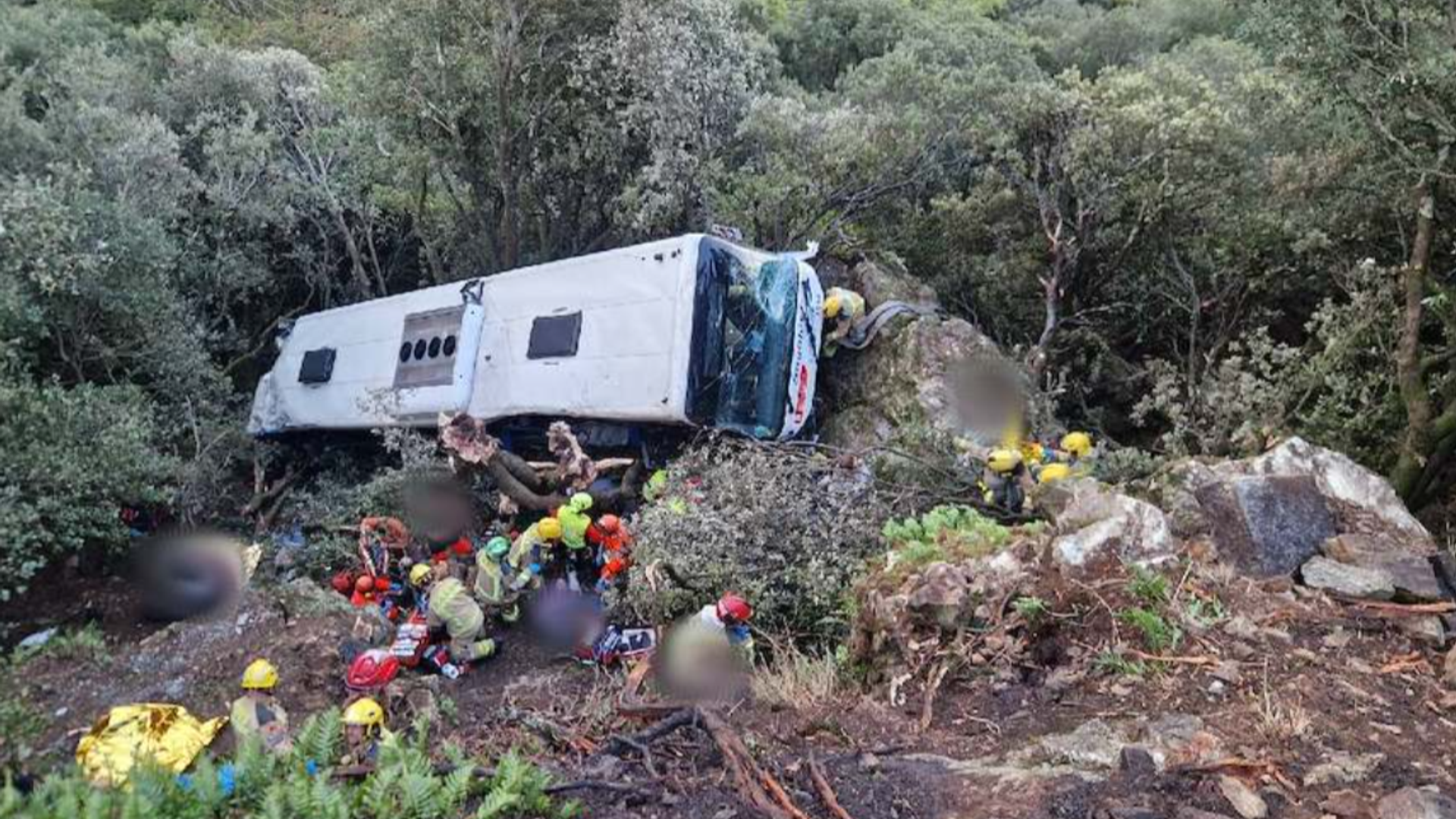
Mountain roads demand respect. When that respect vanishes, catastrophes happen fast. A terrifying accident involving a passenger coach plunging down a Spanish hillside left dozens injured and emergency services scrambling across rugged terrain.
If you have ever stared out the window of a long-distance coach while hugging a steep, winding mountain cliff, you know that sickening drop of adrenaline. You trust the driver, the brakes, and the guardrails. But sometimes, physics wins. When a heavy passenger vehicle loses control on an incline, the results are catastrophic. Let us break down why these incidents happen, how emergency responders handle the chaos, and what transit authorities still fail to fix.
The Brutal Physics of Mountain Transit Disasters
Weight and gravity make a brutal combination. A standard passenger coach weighs tons. Once it rolls off an elevated road, kinetic energy takes over completely.
Drivers face brutal conditions on winding rural routes. Sharp switchbacks, sudden weather changes, and narrow lanes leave zero room for error. When a mechanical failure or driver fatigue hits at the wrong second, disaster strikes. You cannot stop a multi-ton vehicle on a slope with standard passenger car reflexes.
Most travelers never think about vehicle telemetry or stability control systems until something goes wrong. Older fleets lack modern rollover protection cages. Budget operators cut corners on tire tread depth and brake pad maintenance. Mountain routes expose every single maintenance shortcut instantly.
Inside the Emergency Response Chaos
Rescuers faced a logistical nightmare following the Spanish hillside crash. Steep slopes and loose gravel complicate every single minute of extraction.
Helicopters buzz overhead. Firefighters rappel down loose dirt embankments with heavy hydraulic jaws of life. Paramedics triage dozens of walking wounded alongside critical trauma cases right on the dirt.
Coordination determines survival rates in remote terrain. First responders must establish triage zones immediately. Hospitals miles away go on red alert. Air ambulances airlift the most critical patients while local crews stabilize minor injuries on site. It is messy, loud, and brutally exhausting work.
What Transit Authorities Refuse to Fix
Talk to any highway engineer and they will tell you the same uncomfortable truth. Thousands of miles of mountain infrastructure rely on outdated guardrails.
Standard steel barriers often fail to stop heavy commercial vehicles. They are designed for passenger cars, not runaway coaches packed with passengers. Upgrading every rural highway pass with heavy-duty concrete crash barriers costs billions. Governments drag their feet until a tragedy forces public outrage.
Operators also push drivers past safe limits. Tight schedules mean tired drivers navigate treacherous passes on minimal sleep.
Staying Safe on Long Distance Bus Trips
You cannot control the driver or the highway infrastructure, but you can take smart precautions.
Always pick reputable carriers with modern fleets. Check seatbelt availability and wear it. Yes, many older coaches lack them, but modern transit standards require them. Sit near the middle of the vehicle if possible. The front absorbs head-on impacts, while the rear takes the brunt of rear-end collisions.
Pay attention to the safety briefing. Know where the emergency roof hatches are located. In a rollover, doors often jam shut.
Mountain roads will always test human engineering. Until transport ministries mandate better roadside barriers and stricter rest laws for drivers, passengers carry the ultimate risk.