A quiet crisis in the northeastern corner of the Democratic Republic of the Congo just exploded into a global health emergency. If you think we already know how to handle Ebola, you're looking at the wrong playbook.
The World Health Organization recently designated the crisis a Public Health Emergency of International Concern. The culprit isn't the familiar killer that wiped out thousands in West Africa a decade ago. It's a rare, elusive cousin called the Bundibugyo virus. It's tearing through towns, crossing international borders, and exposing a massive gap in modern medicine.
The numbers are grim. We're looking at over 500 suspected cases and 134 deaths. This isn't contained to remote villages anymore. It's active in major hubs like Bunia and Goma, and it has already hitched a ride into Kampala, Uganda.
Here's the real kicker. The medical community is essentially flying blind.
The Blind Spot in Our Bio-Defense
When a health worker in the Ituri Province developed a fever and began vomiting blood back in April, local clinics did exactly what they were trained to do. They tested for Ebola. Specifically, they tested for the Zaire strain, the variant behind almost every major headline-grabbing outbreak in recent history.
The tests came back negative.
Because the initial field tests cleared the patients of standard Ebola, the virus spread unchecked for weeks. It slipped through hospitals, infected medical staff, and traveled along mining routes. By the time the Institut National de Recherche Biomédicale in Kinshasa ran deeper genetic sequencing, they realized they weren't dealing with a false alarm. They were dealing with Orthoebolavirus bundibugyoense.
This lag in detection is a classic systemic failure. Our rapid tests are calibrated for the most common threat, leaving us vulnerable to the rare ones. By the time we notice, the fire has already spread.
How Bundibugyo Differs from Classic Ebola
Ebola isn't just one disease. It's a family of viruses. While they share a horrific clinical presentation—fever, intense muscle pain, vomiting, diarrhea, and eventual internal and external bleeding—their genetic blueprints are vastly different.
Historically, scientists labeled Bundibugyo the "mild" cousin of the Zaire strain. But "mild" is a highly deceptive term when discussing hemorrhagic fevers. Zaire boasts a terrifying mortality rate that can spike up to 90%. Bundibugyo typically sits between 25% and 50%.
An illness that kills one out of every two or three infected people isn't mild. It's a catastrophe.
Furthermore, early data from the current crisis indicates that two-thirds of the patients are women, and the majority of cases are concentrated among young adults aged 20 to 39. This demographic shift often points to community care dynamics, where women caring for sick relatives bear the brunt of the exposure.
The Zero-Vaccine Reality
Here's the most urgent problem. The vaccines we spent billions developing over the last decade are completely useless right now.
If you've read about Ervebo, the highly successful Merck vaccine that helped crush recent outbreaks in the Congo, you might assume we can just deploy stockpiles to Ituri. You'd be wrong. Ervebo targets the surface proteins of the Zaire strain. Because Bundibugyo has a distinct genetic architecture, the vaccine offers zero cross-protection. Merck openly acknowledged that human data for Ervebo's efficacy against Bundibugyo simply doesn't exist.
We're facing a massive outbreak of a deadly pathogen with an empty arsenal.
- No approved vaccines: Experimental candidates exist in laboratories, but nothing is remotely close to human deployment. Getting a candidate through regulatory hoops and into the field will take months.
- No specific therapeutics: The monoclonal antibody treatments that revolutionized Ebola care recently don't work here.
- Supportive care only: Doctors are forced back to basic medicine. Aggressive hydration, maintaining blood pressure, regulating electrolytes, and managing pain. That's all we have.
Why This Outbreak is Spreading Fast
This isn't just a medical failure. It's a logistical nightmare driven by the geography of eastern Congo.
The epicenter started in the Mongbwalu mining zone. Gold mines are high-traffic environments where laborers live in tight quarters, move constantly, and frequently cross the fluid border into Uganda for trade. When miners got sick, they traveled to larger cities like Bunia to seek medical help, inadvertently tracking the virus into urban centers.
Worse, the region is a conflict zone. Armed rebel groups operate throughout Ituri and North Kivu, making it incredibly dangerous for international response teams to set up isolation tents or trace contacts. The CDC and Africa CDC don't even have boots on the ground yet due to security issues. Organizations like Doctors Without Borders are doing the heavy lifting, but they're stretched thin.
When you mix an invisible virus, zero vaccines, gold-rush mobility, and active warfare, you get a perfect storm. The fact that two unrelated cases have already popped up in Kampala's intensive care units proves the containment lines are failing.
Concrete Steps to Protect Communities
We can't wait for a pharmaceutical miracle. Controlling this outbreak requires pivoting back to aggressive, old-school public health interventions. If you're managing health protocols or operating in vulnerable regions, these are the immediate priorities.
Implement Broad Syndromic Surveillance
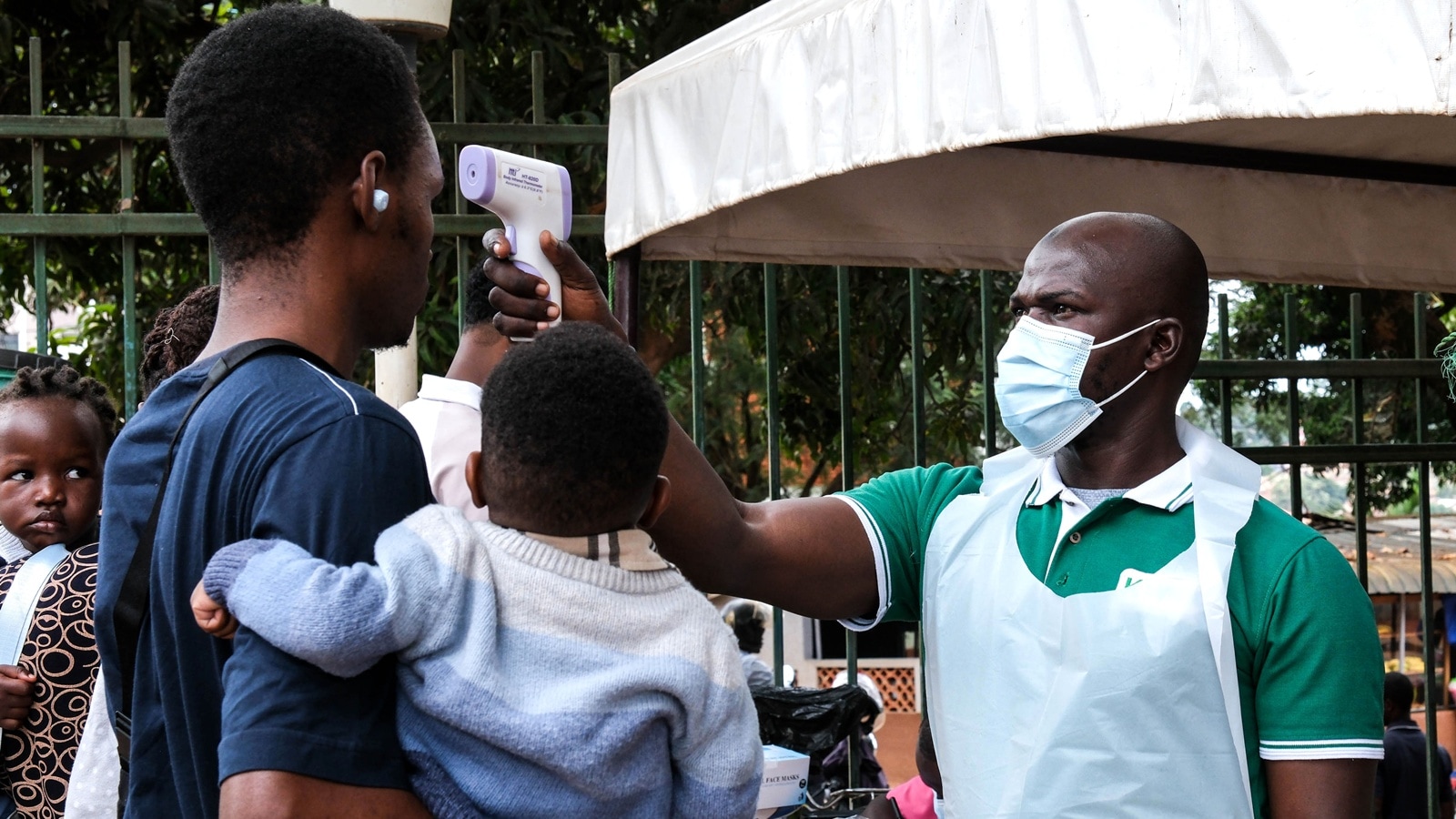
Stop relying solely on rapid diagnostic tests that only screen for the Zaire strain. If a patient presents with a fever, intense malaise, and gastrointestinal distress in an active zone, treat them as a confirmed case immediately. Isolate first, ask questions later.
Overhaul Infection Control in Clinics
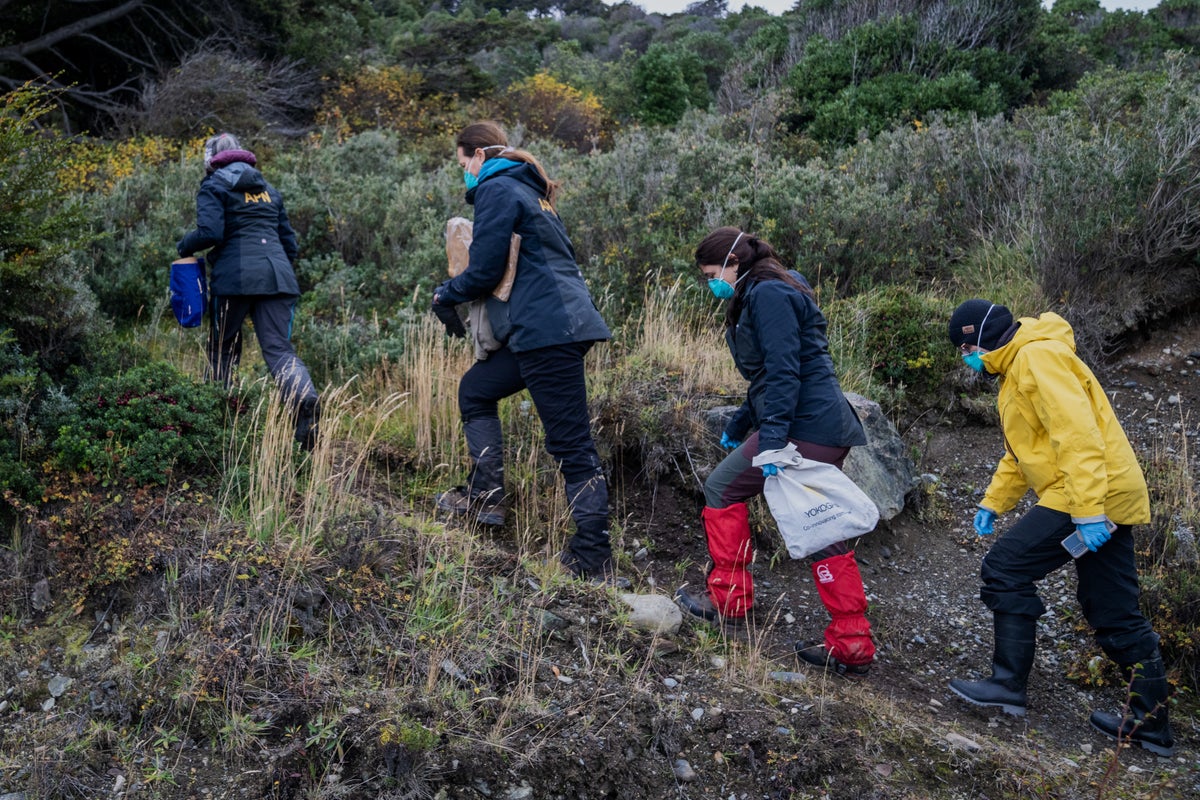
The virus is killing healthcare workers because informal clinics lack basic personal protective equipment (PPE). The immediate deployment of soap, chlorine disinfectants, and proper barriers is more critical than searching for experimental drugs. UNICEF just dropped 16 tons of these supplies into Bunia, but local distribution must happen before the next wave of patients arrives at clinic doors.
Engage Local Communities on Safe Burials
Traditional funeral practices involving the washing of bodies are major amplification events for Ebola. Because the virus remains highly contagious in bodily fluids after death, transmission spikes during burials. Teams must work with local leaders to establish safe, dignified burials without alienating the community.
The World Health Organization expects this fight to last for months. Without a vaccine to bail us out, containment relies entirely on human speed, rigorous isolation, and basic hygiene. It's a grueling race against a fast-moving target.