The feel-good story of the week is a lie. You’ve seen the clip: a microphone cuts out during "O Canada" at KeyBank Center, and the Buffalo Sabres crowd rises in a spontaneous, "heartwarming" swell of cross-border solidarity. The media cycle immediately digested this as a triumph of the human spirit. They called it a moment of unity. They called it sports at its best.
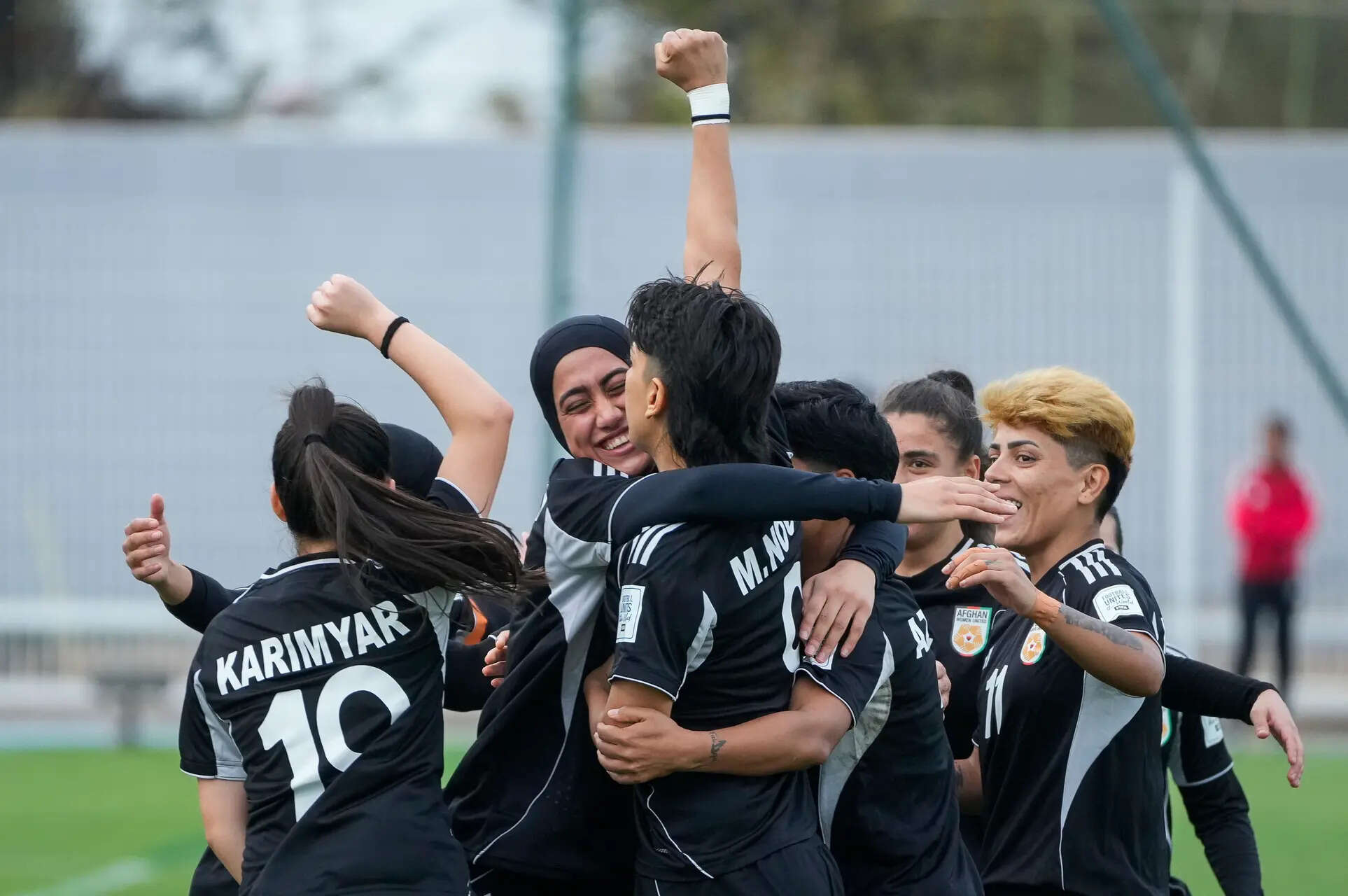
They are wrong. Recently making news in this space: Why the new FIFA ruling for Afghan women matters more than you think.
What you actually witnessed wasn't a grassroots explosion of international love. It was a symptom of the performative ritualism that has turned modern sports into a sterile theater of expected responses. We have become so conditioned to the "anthem moment" that we treat a technical glitch like a religious epiphany. It’s time to stop romanticizing the malfunction and start questioning why we’re still tethering 20 minutes of professional ice hockey to the precarious reliability of a wireless Shure transmitter and a crowd’s need for digital validation.
The Illusion of Spontaneity
The narrative claims the fans "saved" the moment. This implies the moment needed saving. In reality, the crowd followed a script that has been written, rehearsed, and internalized for decades. In Buffalo—a city that practically shares a backyard with Southern Ontario—singing the Canadian anthem isn't an act of defiance or deep geopolitical empathy. It’s a muscle memory. Additional insights regarding the matter are detailed by Yahoo Sports.
When the audio failed, the fans didn’t make a choice; they filled a vacuum. We live in an era of "main character syndrome," where every spectator is desperate to be part of the broadcast. By singing along, the crowd shifted from being observers of a sporting event to being the protagonists of a viral video. They weren't honoring Canada; they were auditioning for the 11 PM highlights.
I’ve spent twenty years in and around professional arenas. I have seen the "impromptu" chants being led by scoreboard operators. I have seen the "organic" standing ovations triggered by a "Get Loud" graphic. When the mic dies, the fan doesn't think about the lyrics; they think about the TikTok they can post with the caption "Chills."
The Technical Incompetence We Ignore
Why are we celebrating a failure of basic production? If the ice resurfacer breaks down or the lights flicker, we demand refunds. When the audio engineering fails during a cornerstone of the pre-game ceremony, we call it "magical."
Let’s be precise about the tech. Most NHL arenas use sophisticated redundant systems. A mic failure at this level is usually the result of frequency interference or a failure to check battery telemetry—basic errors that shouldn't happen in a billion-dollar industry. By turning this into a "human interest" story, we give the venue a pass on mediocre operations.
Imagine a scenario where a surgeon’s scalpel breaks, and the gallery has to shout instructions on how to finish the incision. We wouldn't call that a "beautiful moment of collaboration." We would call it a malpractice suit. In Buffalo, the fans covered for a lack of professional rigor, and the team rewarded them with a PR spin that scrubbed the technical embarrassment from the record.
The Anthem Fatigue Crisis
We need to address the elephant in the rink: the national anthem has become a logistical hurdle rather than a moment of reflection. For the average fan, it’s the two-minute buffer between their second beer and the puck drop.
By insisting on these performances before every single game—regardless of whether it's a Tuesday night against the Blue Jackets or Game 7 of the Finals—we have commoditized patriotism to the point of exhaustion. The Buffalo incident only felt "special" because something finally broke the monotony.
If we truly valued these songs, we wouldn't use them as a countdown clock for a commercial break. The "O Canada" malfunction exposed the fact that the singer is often just a prop. The moment the voice disappeared, the crowd realized the individual didn't matter. The singer was a vessel for a routine. When the vessel broke, the routine continued because the machine demands it.
The Border Town Paradox
Buffalo is the only place in the US where this specific "miracle" could happen with such frequency, yet we treat it like a rare alignment of the planets. The Sabres rely heavily on Canadian ticket sales. The "Bridge to Canada" isn't just a physical structure; it’s a business model.
When a Buffalo crowd sings the Canadian anthem, it’s a customer service gesture. It’s acknowledging the folks driving over the Peace Bridge to spend loonies that have been converted into US dollars at a punishing exchange rate. It’s not "unity"; it’s market retention.
The Architecture of the Viral Moment
Social media has ruined the authenticity of the stadium experience. Every fan who joined in that chorus did so with one eye on the ice and one eye on their smartphone’s recording light.
- The Incentive: Being "the crowd that sang" earns the city points in the digital reputation economy.
- The Result: A feedback loop where fans perform for the cameras rather than reacting to the game.
- The Cost: The loss of genuine, unscripted emotion.
True spontaneity is messy. It’s angry. It’s unpredictable. A crowd singing a song they’ve heard 500 times because a speaker cut out is the most predictable outcome possible. It is the "safe" version of a crowd takeover.
Dismantling the "Chills" Narrative
People love to use the word "chills" to describe the Buffalo video. "Chills" is the linguistic white flag of someone who refuses to analyze what they’re seeing. It’s a biological response to a crescendo, not a measure of moral depth.
The reality is that sports fans are desperate for a sense of belonging in an increasingly fragmented world. We want to believe that 18,000 people can act as one for a noble cause. But singing a song isn't a cause. It’s a chorus. If that same crowd were asked to vote on a tax hike to fund the arena, that "unity" would evaporate before the first verse ended.
We are mistaking a shared acoustic environment for a shared social soul. It’s a dangerous conflation. It allows us to feel like we’ve "done something" without actually requiring anything of us other than knowing the words to a song we learned in grade school.
Stop Trying to "Save" the Anthem
The "fix" isn't better microphones or more talented singers. The fix is a total reassessment of the pre-game ritual. If an anthem can be "saved" by a crowd of people who may or may not be able to point to Ottawa on a map, then the anthem has lost its gravitas. It has become a jingle.
We have turned our stadiums into cathedrals of the obvious. We celebrate the expected. We cheer for the malfunction because it provides a slight variation in a product that has become overly processed.
The Buffalo singer’s mic didn’t fail. The system succeeded. It proved that the individual is irrelevant, the technology is a secondary concern, and the fans are ready to perform their assigned roles as long as there’s a chance they might end up on the morning news.
Next time the audio cuts out, try sitting in silence. See how long that "unity" lasts when there isn't a backing track to guide the way. You’ll find that the silence is much more revealing than the noise.
Stop clapping for the technical glitches. Stop calling it a miracle when a crowd does exactly what it was trained to do. The Buffalo anthem wasn't a highlight of the season; it was an indictment of how predictable we’ve become.
Play the game. Leave the karaoke for the bars on Chippewa Street.