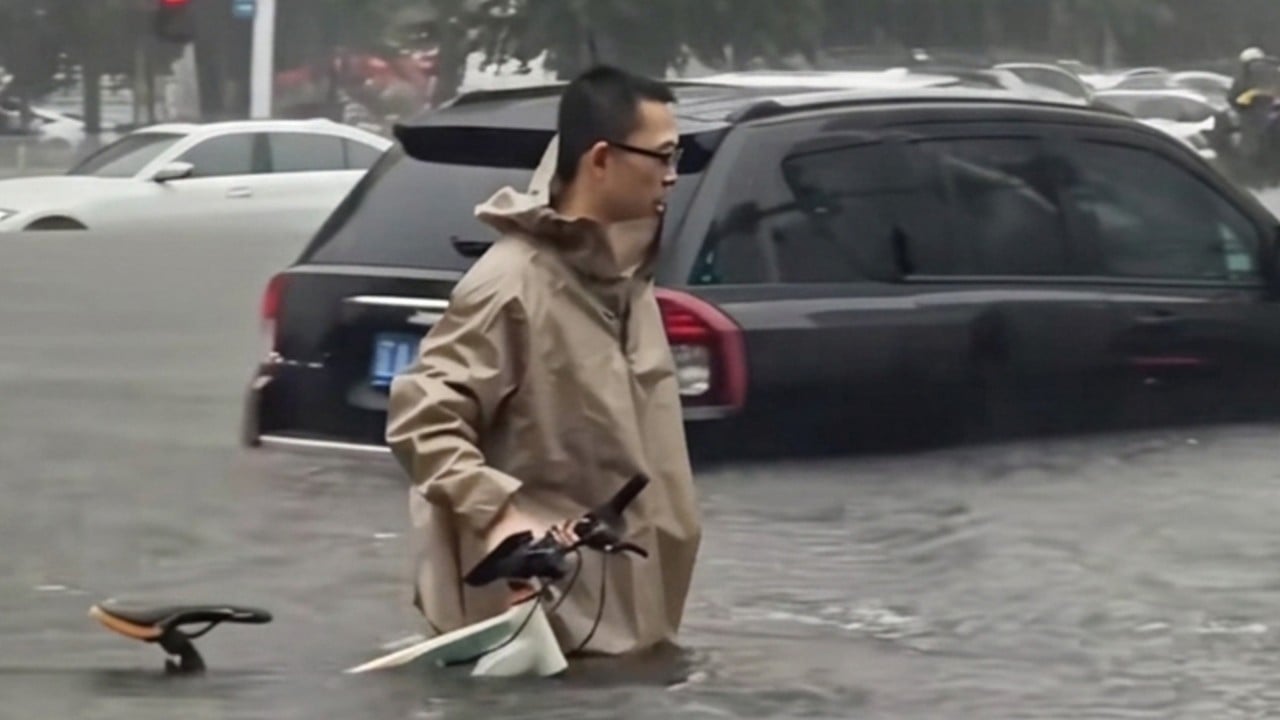
When images of a Chinese doctor wading through chest-deep floodwaters to treat trapped patients went viral recently, the internet reacted with predictable awe. Millions praised the heroic dedication required to forge through toxic debris and dangerous currents to deliver care. Yet, these viral moments mask a grim reality within emergency medicine. A healthcare system reduced to relying on individual martyrdom during climate disasters is a system on the brink of structural failure. Celebrated online as heartwarming triumphs of the human spirit, these incidents are actually symptom reports of systemic fragility, infrastructure deficits, and deeply flawed crisis protocols.
Disaster response in medical sectors too often relies on individual bravery to bridge the gap left by broken infrastructure. When municipal drainage fails and regional power grids go dark, frontline medical personnel are routinely left with a stark choice: abandon their professional oaths or risk their lives navigating hazardous floodwaters without standard protective equipment, reliable communications, or safe transport. While public relations outlets and social media channels eagerly broadcast these acts of personal sacrifice, they quietly ignore the policy failures that made such extreme measures necessary in the first place.
The Physical Hazards of Unplanned Waterborne Care
Floating debris, submerged high-voltage lines, and raw sewage transform ordinary floodwater into a biological and physical hazard zone. Medical professionals moving through these environments face immediate dangers long before they ever reach a patient.
Toxic Exposure and Infectious Risks
Floodwaters in urban and rural districts carry dense loads of industrial chemicals, agricultural runoff, and pathogens like Leptospira, Escherichia coli, and hepatitis viruses. A clinician wading through these waters with open cuts or even minor skin abrasions faces severe infection risks. When a doctor contracts a disabling illness during a rescue attempt, the local healthcare capacity drops precisely when community demand spikes.
Physical Traps and Submerged Obstacles
Submerged hazards represent an unseen threat during extreme weather events. Dislodged manhole covers, jagged metal debris, and rapid undertows regularly trap individuals attempting to traverse flooded streets on foot. Carrying medical equipment amplifies this risk, altering center-of-gravity and reducing physical agility.
The Infrastructure Deficit in Emergency Healthcare
The reliance on heroic improvised travel exposes a profound lack of investment in resilient medical transport. Modern health systems frequently invest heavily in high-margin diagnostic equipment and facility expansions while neglecting basic operational continuity during regional infrastructure collapses.
While administrative budgets prioritize superficial facility upgrades, critical transport fleets—such as amphibious medical craft, high-clearance emergency vehicles, and standardized waterborne logistics—remain completely underfunded across vulnerable districts.
When severe weather events sever traditional road networks, clinics and hospitals routinely discover that their emergency plans exist only on paper. Standard operational procedures rarely account for prolonged street-level inundation, leaving staff to improvise solutions in real time.
| Infrastructure Vulnerability | Operational Impact | Consequences for Patient Care |
|---|---|---|
| Standard Ambulances | Stranded by water deeper than 18 inches | Delayed response times for critical trauma |
| Grid Power Dependency | Facility blackouts and cold-chain failure | Compromised medication and loss of life support |
| Surface Road Networks | Impassable due to urban flooding | Healthcare workers isolated from facility hubs |
The Psychological Burden of Mandatory Heroism
Expecting healthcare workers to double as urban rescue operatives creates an unsustainable psychological toll. Medical professionals undergo extensive training for clinical diagnostics and patient care, not swift-water rescue.
Burnout rates among frontline staff escalate dramatically when operational safety relies entirely on personal risk. When hyper-localized emergency scenarios force clinicians to choose between personal survival and patient neglect, the resulting moral injury leaves permanent scars on the workforce.
The Problem with Glorifying Sacrifice
Media narratives that frame structural negligence as inspiring human resilience actively impede reform. Glorifying a clinician’s dangerous trek through floodwaters reframes an administrative breakdown into a feel-good story.
- Policy Deflection: Focusing on individual heroics shifts public attention away from municipal infrastructure budget allocations.
- Normalized Hazard: Expecting extraordinary sacrifice normalizes unsafe working conditions for all healthcare staff.
- Delayed Reform: Social praise gives regional planners a free pass, delaying long-overdue investments in waterborne transport and flood mitigation.
Rebuilding Resilient Disaster Medicine Networks
Fixing this broken dynamic requires abandoning reliance on individual heroism in favor of rigorous, stress-tested logistics. Emergency health networks must adapt to changing climate realities with concrete, structural solutions rather than romanticized media campaigns.
First, municipal authorities must integrate specialized high-clearance and amphibious transport directly into regional medical logistics fleets. Healthcare workers should never have to wade through toxic currents because an ordinary ambulance hit six inches of standing water.
Second, medical facilities require dedicated, off-grid communication networks capable of operating when cellular towers fail. Equipping frontline personnel with satellite communication devices and waterproof gear allows real-time coordination without forcing staff to venture blindly into hazardous zones.
Finally, health policy institutions must stop treating predictable climate events as unforeseen anomalies. Flood plains, rising water tables, and severe storm surges are known variables. Healthcare systems that fail to prepare for these conditions are failing their staff and their communities. Real medical dedication isn't demonstrated by a doctor risking their life in a flooded street; it is demonstrated by an institution that ensures that doctor never has to do so.