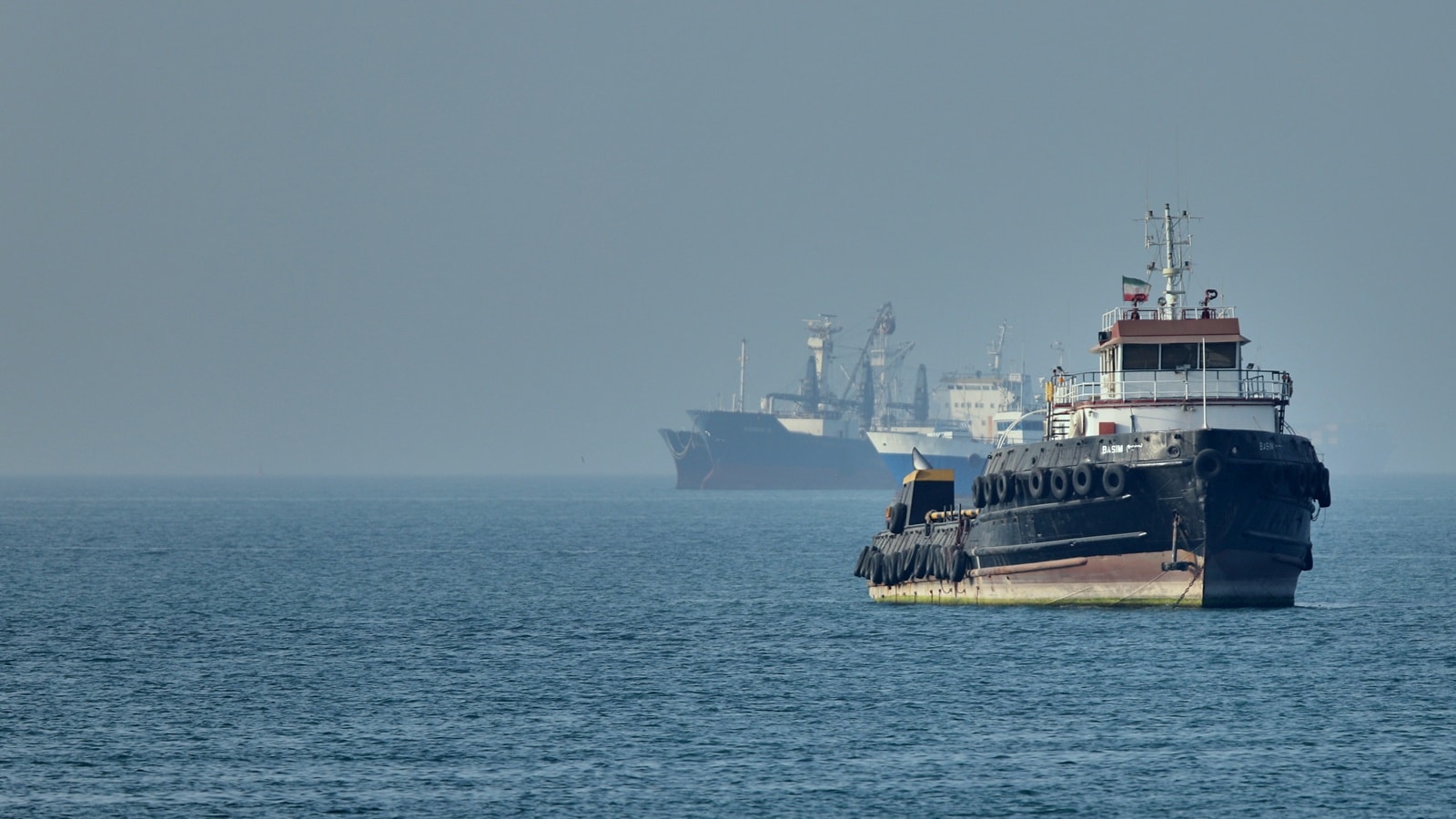
Geopolitical instability in the Middle East has sent jet fuel prices on a vertical trajectory, doubling overhead costs for major carriers almost overnight. While the prospect of refueling a Boeing 787 with used cooking oil sounds like a convenient solution to both carbon emissions and soaring oil markets, the reality is a logistical nightmare defined by scarcity and chemistry. Sustainable Aviation Fuel (SAF) currently accounts for less than 0.1% of global jet fuel consumption. Scaling this to meet demand is not just a matter of collecting more grease; it is an industrial challenge that the world is nowhere near winning.
The Crude Reality of the Empty Fryer
Airlines are desperate. When conflict threatens the flow of crude through the Strait of Hormuz, the impact hits the tarmac in London and New York within days. The industry has spent a decade touting SAF—typically derived from used cooking oil, animal fats, or agricultural waste—as the silver bullet. It is a "drop-in" fuel, meaning it can be mixed with traditional kerosene without modifying the aircraft engines.
However, the math does not add up. To replace even half of the world’s fossil-derived jet fuel with used cooking oil, we would need to consume an amount of fried food that would collapse global healthcare systems. Every restaurant on the planet could save every drop of waste oil, and it would still represent a fraction of what a single international hub like Heathrow requires in a week.
We are facing a physical limit on feedstock. There is only so much used grease in the world. When demand for "green" fuel outstrips the supply of actual waste, the market begins to cannibalize itself. We are already seeing reports of "virgin" palm oil being diverted into the waste stream just to be sold at a premium as recycled grease. This creates a perverse incentive that accelerates deforestation, the very thing SAF was intended to prevent.
The Refinement Barrier
Even if we had an infinite supply of old grease, the process of turning it into something that won't freeze at 35,000 feet is incredibly expensive. Traditional jet fuel, or Jet A-1, is a miracle of energy density and stability. It is cheap because the infrastructure to pull it from the ground and refine it has existed for a century.
SAF requires a process called Hydroprocessed Esters and Fatty Acids (HEFA). This involves blasting the organic oils with hydrogen at high pressures and temperatures. It is energy-intensive and requires specialized refineries that are few and far between. Right now, SAF costs anywhere from three to five times more than conventional jet fuel. When oil prices double due to war, the gap narrows slightly, but the "green" alternative remains a luxury good that most airlines cannot afford without massive government subsidies.
The technical specifications are also rigid. You cannot simply pour filtered canola oil into a turbine. Jet engines are high-performance machines with zero tolerance for impurities. Any fuel derived from organic matter must be chemically identical to kerosene. If the oxygen levels or the freezing point are off by even a fraction, the engine flams out.
The Hidden Competition for Waste
Airliners are not the only ones eyeing the grease trap. The trucking industry and the shipping sector are also under intense pressure to decarbonize. Renewable diesel—a cousin to SAF—is easier to produce and has a more established market in ground transport.
When an airline goes looking for feedstock, they are bidding against logistics giants who need that same oil for their delivery fleets. This competition drives prices even higher. Because ships and trucks can operate on less refined versions of bio-fuels, the producers often find it more profitable to sell to them rather than invest in the extra refining steps required to make aviation-grade fuel.
The Infrastructure Trap
The logistics of distribution present another massive hurdle. Our current fuel system is a marvel of centralized efficiency. Pipelines move millions of gallons of kerosene from coastal refineries directly to airport tank farms.
SAF production is currently fragmented. It happens in small-scale plants near the source of the waste. Moving that fuel to airports involves thousands of trucks, which ironically burns more fossil fuel in the process. Without a massive overhaul of how we transport fuel, the carbon savings of using cooking oil are often eroded before the plane even leaves the gate.
Investors are also hesitant. Building a refinery costs billions of dollars and takes years. With the airline industry's razor-thin margins and the volatility of the energy market, many financiers see SAF as too risky. They fear that as soon as a refinery is completed, a peace treaty or a new oil find will cause kerosene prices to crash, making the bio-fuel plant a stranded asset.
The Alcohol to Jet Pivot
Recognizing that used cooking oil will never be enough, the industry is shifting its gaze toward "Alcohol-to-Jet" (AtJ) technology. This involves using ethanol derived from corn or sugarcane and chemically converting it into jet fuel.
This introduces a whole new set of ethical and economic problems. Using food crops to fuel airplanes is a difficult sell in a world where food security is increasingly fragile. If we dedicate millions of acres of farmland to growing corn for jets, the price of tortillas and livestock feed goes up. We are essentially asking the world's poorest populations to pay more for dinner so that the wealthiest can continue to fly at 2019 prices.
Synthetic Fuel is the Real Long Game
If cooking oil is a stopgap and crop-based fuels are ethically dubious, the only real solution is synthetic fuel, or e-fuels. These are made by capturing carbon dioxide from the atmosphere and combining it with hydrogen produced from renewable electricity.
It is the cleanest possible way to fly. It requires no land and no grease traps. But the cost is currently astronomical. We would need to build a global network of carbon capture plants and massive solar or wind farms dedicated solely to fuel production.
The energy required is staggering. To power the global aviation fleet with e-fuels, we would need to generate more renewable electricity than the entire world currently produces for all other purposes combined. It is a monumental engineering feat that we have barely begun to tackle.
The Price of Reality
Airlines often hide the cost of these transitions in "carbon offset" fees or small surcharges on tickets. But as the "Iran war" effect or any other geopolitical shock continues to squeeze the oil supply, these small fees will become massive price hikes.
We have lived through an era of unnaturally cheap flight. The assumption that we can simply swap the fuel source and keep the prices the same is a fantasy. Whether it is cooking oil or synthetic molecules, the future of flight is going to be significantly more expensive.
The industry is currently caught between a rock and a hard place. They cannot continue to rely on the volatile oil markets of the Middle East, yet they have no viable, large-scale alternative ready to take the load. The "green" transition in the skies is not a smooth flight; it is a period of sustained turbulence that will likely ground the era of budget long-haul travel.
We are not just looking at a change in what we put in the tanks. We are looking at a fundamental shift in who gets to fly and how often. The next time you see a headline about a flight powered by "kebab water" or "french fry oil," remember that it is a PR stunt, not a business model. The infrastructure for a grease-powered sky does not exist, and it likely never will.
Stop looking for a magic liquid to save the industry. The only way to truly insulate aviation from the shocks of war and the costs of carbon is to fly less, or to pay the true, exorbitant price of the energy required to defy gravity.