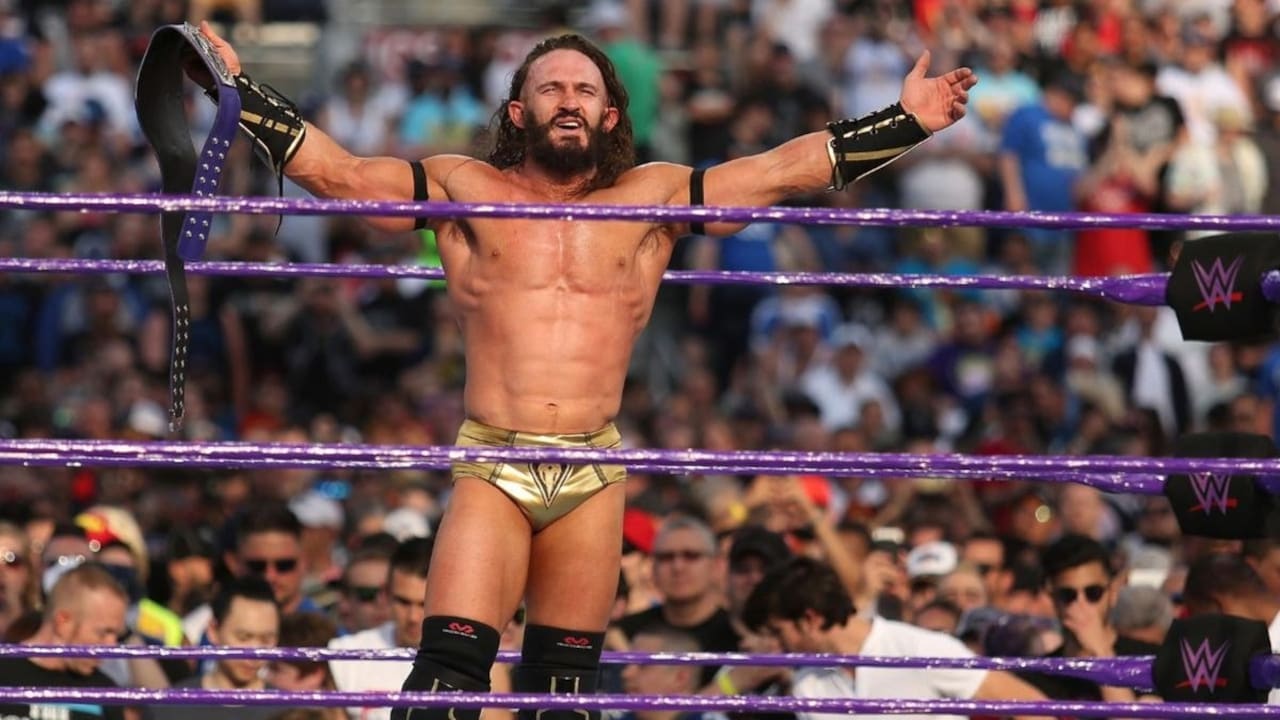
The professional wrestling universe shattered on a quiet Sunday afternoon in late September 2026 when Benjamin Satterley, universally known across the globe as PAC, was discovered unresponsive inside a rental vehicle parked outside a restaurant in Des Plaines, Illinois. He was only forty years old. Just twenty-four hours earlier, Satterley had stood under the blinding, high-definition lights of Chicago's Now Arena, performing at All Elite Wrestling's All Out pay-per-view event. The abrupt transition from high-stakes athletic theater to an emergency services dispatch audio feed labeled simply as a slumper in a car laid bare the grim, unvarnished hazards of modern sports entertainment.
Investigators and local authorities quickly confirmed that there were no initial signs of foul play, turning the spotlight away from criminal suspicion and toward a much harder, less comfortable conversation about the physical tolls, the lonely isolation, and the relentless machinery of professional wrestling. For decades, fans have consumed the gravity-defying maneuvers and breathless storytelling without fully reckoning with the human cost exacted behind the curtain. PAC was not merely a performer; he was a master craftsman who spent two decades putting his body through absolute ruin to entertain millions across the globe.
The Final 24 Hours in the Windy City
To understand the tragedy that unfolded in that Illinois parking lot, one must examine the grueling cadence of a professional wrestler's weekend. Saturday night saw Satterley step through the ropes for a high-intensity opening match against Andrade. Those who watched the broadcast saw the familiar trademarks of a generational talent. The crisp execution, the terrifying aerial velocity, and the peerless conditioning that earned him global acclaim as one of the finest technical wrestlers of his generation.
Yet the transition from the adrenaline-soaked arena to the cold anonymity of a rental car tells a starkly different story. Professional wrestling does not afford its athletes the luxury of a structured recovery window or a team training facility back home between weekend dates. Instead, talent operate as independent contractors navigating a relentless circuit of early morning flights, rental cars, unfamiliar cities, and desolate highway rest stops.
Witness statements and police records indicate that Satterley was spotted inside his vehicle on Sunday afternoon. A passerby, noticing that he remained motionless and unresponsive behind the wheel for an extended period, attempted to rouse him before placing an urgent call to emergency services. The chilling details of the 911 dispatch audio revealed the desperate minutes before paramedics arrived on the scene. Despite swift medical intervention, life could not be saved.
The Myth of the Invincible Athlete
Audience members often view athletes through a lens of comic-book invulnerability. When a man can launch himself off the top turnbuckle with physics-defying precision, the human brain struggles to reconcile that same body possessing finite biological limits. PAC earned his reputation as an elite competitor precisely because he pushed past human boundaries. From his groundbreaking tenure as Neville in WWE's developmental system where he captured the NXT Championship to his international dominance in AEW as a foundational pillar, his style demanded total physical sacrifice.
Decades of delivering top-rope maneuvers take a cumulative toll on the cervical spine, the lumbar region, and the cardiovascular system. While medical staffs at major promotions perform baseline concussion protocols and pre-match checkups, the chronic wear and tear of a punishing touring schedule remains largely unregulated in terms of long-term health preservation. Wrestlers perform with micro-fractures, torn labrums, and persistent inflammation, relying on adrenaline and sheer willpower to make each show.
The human heart is a muscle, and when subjected to years of extreme weight cuts, physical exhaustion, travel fatigue, and the potential utilization of performance-enhancing substances common across eras of professional wrestling, it operates under immense strain. While the Cook County medical examiner's office conducts thorough examinations and toxicology screenings to determine the precise medical cause of death, the broader pathology is already evident to anyone willing to look past the entertainment product.
The Isolation of the Open Road
Perhaps the most haunting aspect of Satterley's final moments is the setting. He did not pass away surrounded by family in his native Newcastle upon Tyne, nor did he slip away in a bustling locker room among peers who understood the unique pressures of the business. He died alone in a rental car parked outside a fast-casual restaurant hundreds of miles from home.
This solitary end highlights an overlooked psychological crisis within professional wrestling. The glamour of television broadcasts masks an existence defined by profound loneliness. Wrestlers spend hundreds of nights a year in sterile hotel rooms, eating alone, waking up at odd hours to catch connecting flights, and processing physical pain in private. The camaraderie of the locker room provides temporary community, but the moment the show ends, the silence returns with crushing weight.
Colleagues who shared the road with Satterley remembered him not just as an extraordinary athlete, but as a deeply humble, kind, and fiercely private man. Tributes from across the industry painted a picture of a universally respected professional who took pride in his craft and cared deeply for those around him. Yet even the most beloved performers carry their burdens in silence. The culture of the locker room traditionally discourages vulnerability, demanding that performers tough it out through physical ailments and psychological exhaustion alike.
A Locker Room Under Siege
The tragedy involving PAC does not exist in a vacuum. His passing marked the second major loss for the AEW locker room in a matter of weeks, following the sudden death of independent veteran and musician Andy Williams, known to fans as The Butcher, earlier in September. Losing two prominent members of the wrestling community within such a tight window sent shockwaves through an industry already accustomed to mourning performers far too early in life.
For generations, professional wrestling has operated with an unwritten acceptance of premature mortality. Icons of the past routinely pass away in their forties and fifties, their bodies ravaged by decades of unyielding bumps and the toll of self-medication to manage chronic trauma. While modern corporate entities like AEW and WWE offer vastly superior medical care and wellness support compared to the unregulated territories of the twentieth century, the structural mechanics of the business still demand an unrelenting physical output.
When an athlete performs at the elite level, their identity becomes inextricably linked to their ability to produce. Stepping away to address chronic health issues or mental fatigue often means losing momentum, income, and relevance in a hyper-competitive field. Consequently, performers continue to lace up their boots long after their bodies signal a desperate need for rest.
Confronting the Uncomfortable Truths
Reflecting on the life and legacy of Benjamin Satterley requires looking beyond the highlight reels and championship reigns. It demands an honest appraisal of an entertainment medium built upon the physical sacrifice of human beings who are conditioned to ignore their own mortality for our amusement.
The industry will undoubtedly continue. Weekly television must be produced, pay-per-view arenas will sell out, and a new generation of high-flyers will step up to execute dangerous maneuvers under the stadium lights. Fans will cheer, merchandise will sell, and the machine will march forward. But every time an athlete is found slumped in a rental car parking lot, the entertainment facade cracks, leaving behind the stark reminder that greatness comes at a staggering human price.
The investigation into PAC's final moments will eventually conclude with an official cause of death listed on a certificate, offering closure to administrative records. True closure for an industry plagued by recurring tragedies, however, requires a fundamental shift in how human beings behind the characters are protected when the cameras stop rolling and the arena parking lot empties into the dark.