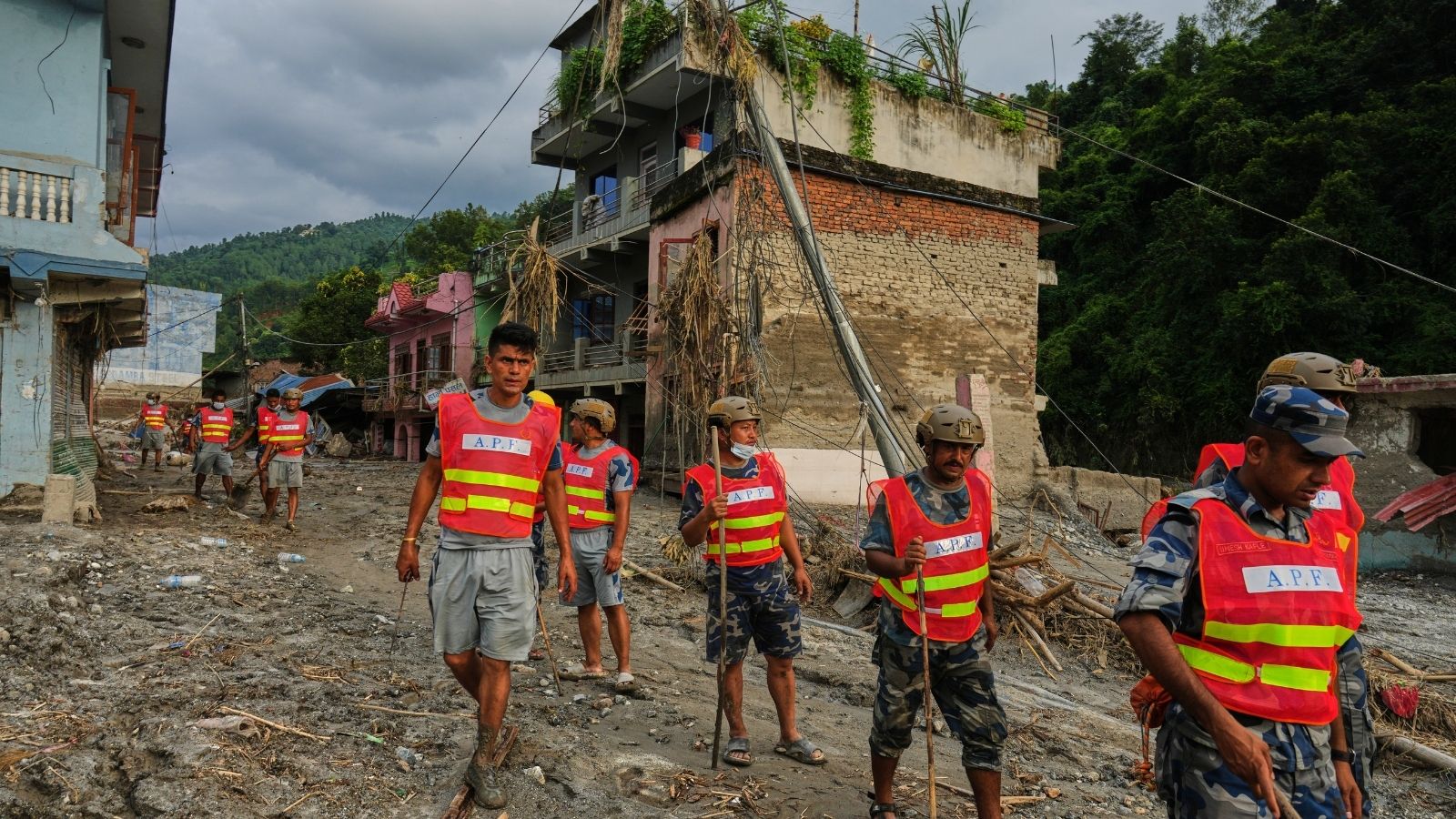
When Mexican naval forces and federal agents descended on five properties across Altamira and Tampico in the border state of Tamaulipas, they expected to intercept illegal diesel, pumps, and firearms. Instead, military operators found themselves cataloging a bizarre menagerie: Bengal tigers, African lions, jaguars, hyenas, a mandrill, spider monkeys, and even a live camel.
The raid netted 68,000 liters of illicitly trafficked fuel alongside 135 exotic and endangered animals confined to a single sprawling ranch. Headlines globally fixated on the surreal juxtaposition of big cats and stolen petroleum. Yet this bizarre recovery highlights a darker, highly sophisticated convergence within modern organized crime. The underground economy of huachicol (fuel theft and smuggling) has expanded past simple pipeline tapping into an all-encompassing shadow empire where contraband capital is converted directly into living status symbols.
For decades, the mechanics of Mexican cartel wealth followed a predictable trajectory rooted in narcotics. Bulk cash generated from cross-border drug sales required laundering through complex shell corporations, real estate, and front businesses.
That financial model has fractured. Today, fuel smuggling from the United States into Mexico stands as one of the most lucrative criminal enterprises on the continent, second only to traditional drug trafficking according to U.S. Treasury estimates.
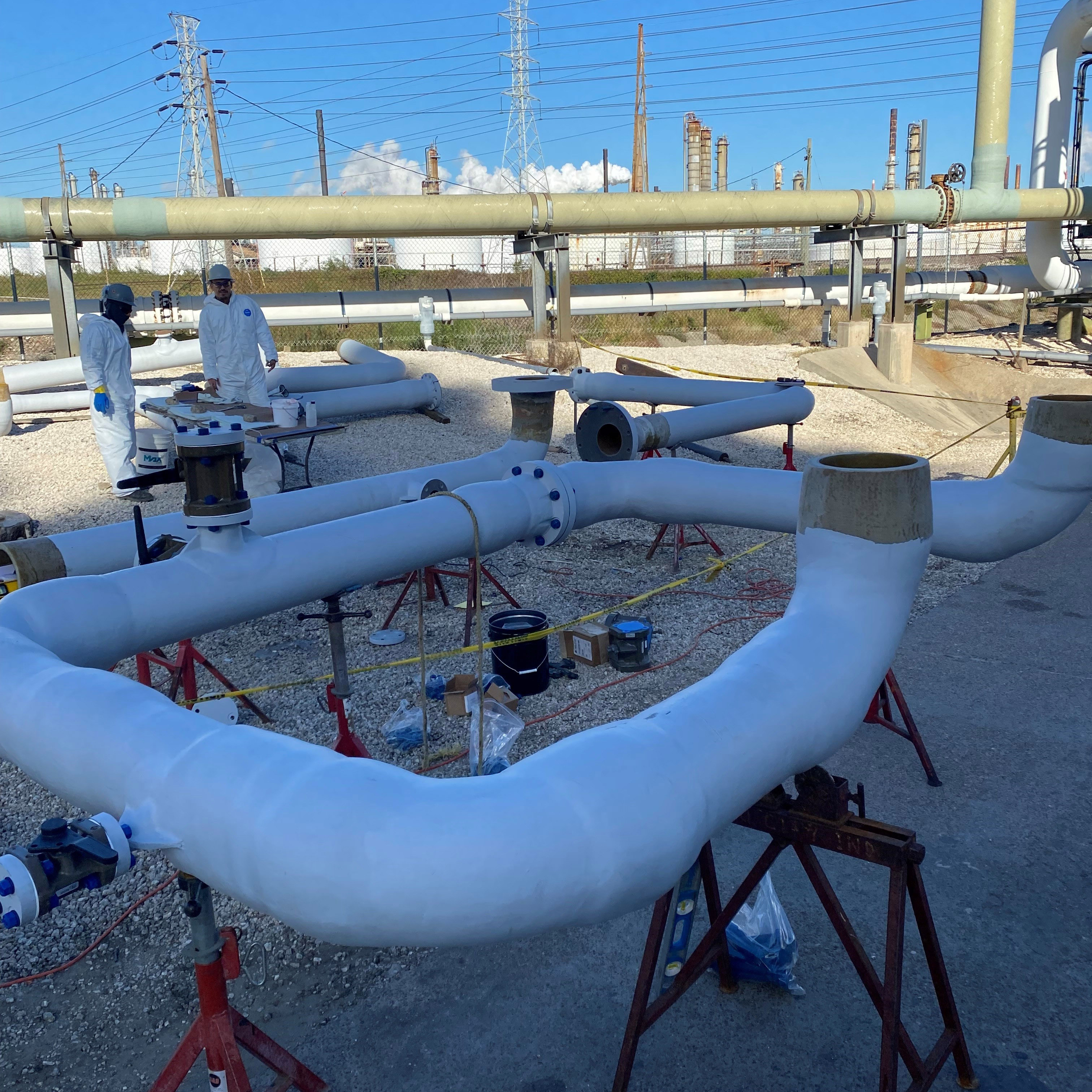
The logistics are brutally simple. Smugglers siphon petroleum products or purchase stolen crude from corrupt insiders at state-owned Pemex refineries. They transport the fuel across the border using complicit transportation networks, often mislabeling viscous petroleum products as industrial waste oil to evade customs and environmental tracking.
Once the fuel enters Mexico, it is funneled into a parallel distribution network of black-market gas stations and industrial buyers, completely untaxed. The profit margins are astronomical. Millions of dollars in liquid cash flow daily into the hands of regional syndicates like the Gulf Cartel and the Jalisco New Generation Cartel.
Cash accumulation on this scale creates a distinct logistical burden. Stacks of physical currency take up space, attract attention, and degrade through moisture or decay. Crime groups constantly search for tangible assets that can store value, display dominance, and integrate seamlessly into rural ranch properties where federal oversight is historically weak.
Exotic wildlife fulfills this requirement with terrifying efficiency. Maintaining a private menagerie of Bengal tigers, lions, and imported ungulates acts as a visceral advertisement of untouchable authority. In the insular culture of cartel leadership, a living apex predator functions as both a brutal psychological deterrent against rivals and an explicit badge of impunity.
Federal investigators note that these animals are rarely acquired through formal legal channels. Instead, they move through specialized wildlife trafficking rings that parallel drug and weapons corridors, slipping across porous borders with forged CITES permits or through outright bribery of agricultural inspection posts.
The presence of 35 endangered species—including green macaws, spider monkeys, and sulcata tortoises—among 18,000 gallons of seized diesel reveals a profound operational diversification. Cartels do not operate merely as gangs of thieves; they function as diversified conglomerates managing parallel portfolios of illicit energy, arms, and biological contraband.
The security apparatus in Mexico faces an uphill battle when dismantling these syndicates. Raids like the one in Tamaulipas yield staggering inventories of contraband, yet they rarely produce structural collapses of the underlying networks.
Authorities arrested only a single individual during the multi-property sweep, pointing to a deeply decentralized operational model where high-ranking bosses insulate themselves behind layers of shell ownership, proxy ranch foremen, and corrupted local officials.
When military units haul away tigers and seal off illegal fuel-pumping stations, the financial engines of the enterprise often remain intact. The black market for fuel continues to generate vast reserves of capital, ensuring that whether through high-powered weaponry, luxury real estate, or imported wildlife, the spoils of illicit energy will quickly find a new physical manifestation.