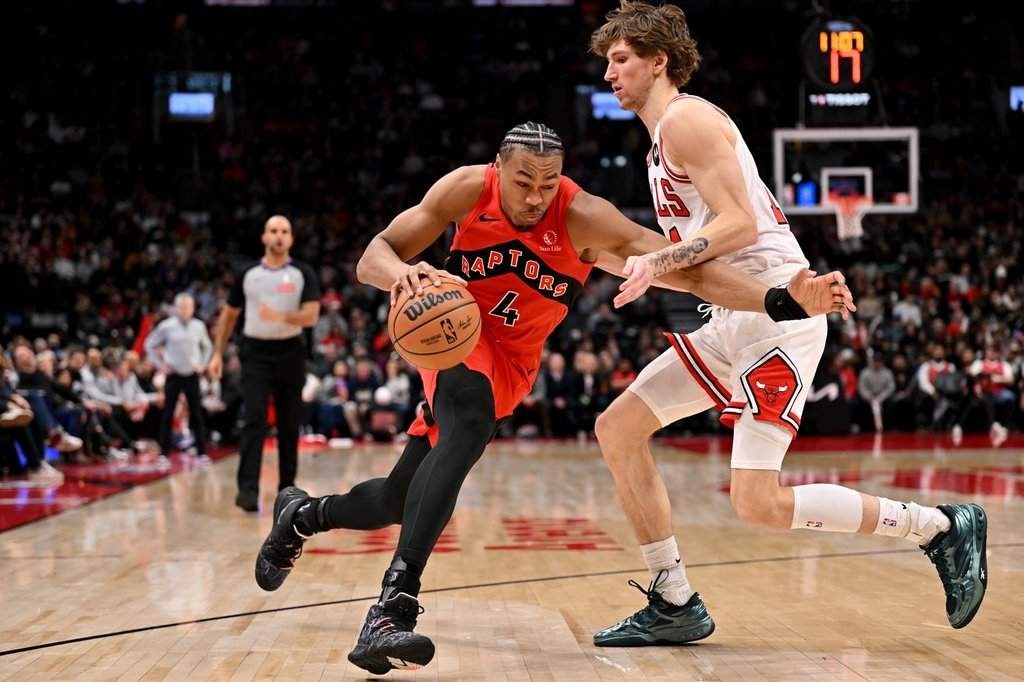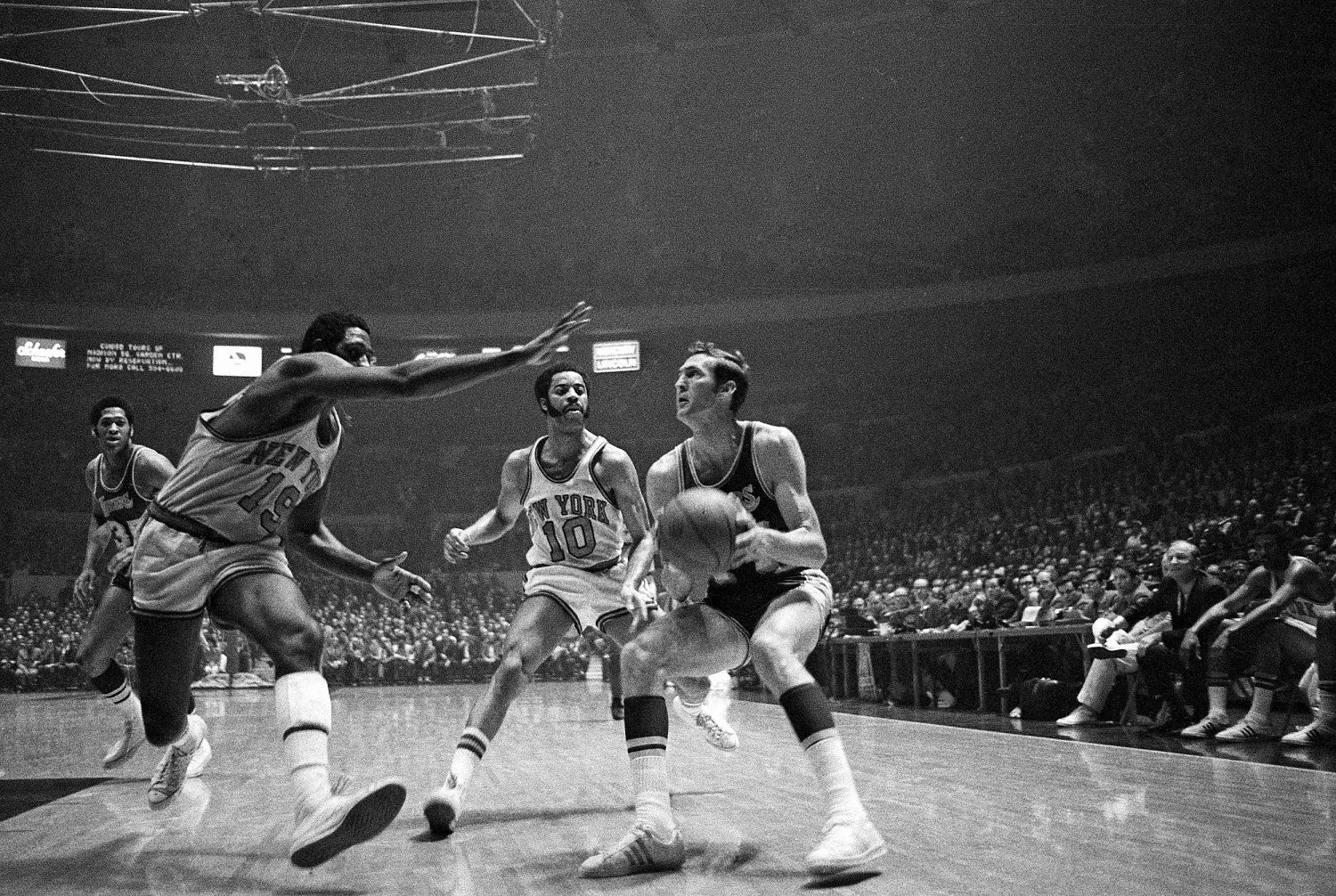
The New York Knicks finally did it. By closing out the San Antonio Spurs in the 2026 NBA Finals, Jalen Brunson and company erased a 53-year legacy of failure, sparking a parade down the Canyon of Heroes and resetting a counter that had ticked mockingly since 1973.
By lifting the Larry O'Brien Trophy, New York accomplished something much larger than a single sports market celebration. They escaped the most suffocating club in professional sports, establishing a new record for the longest championship drought ever overcome in NBA history by surpassing the 50-year gap erased by the Milwaukee Bucks in 2021.
Yet, as the confetti is swept from Manhattan streets, the macro reality of the league remains unchanged. Winning a title in the modern NBA requires an alignment of fiscal desperation, executive brilliance, and sheer draft lottery luck that most franchises simply cannot assemble. The Knicks are out, but a long line of tortured fanbases remains stuck in the queue.
To understand why some teams remain stranded for generations, one must look past simple bad luck and examine the structural traps built into the league itself.
The Mirage of the Small Market Savior
For decades, the standard narrative blamed championship droughts on geography. The conventional wisdom dictated that players simply did not want to spend their winters in America's heartland or overlooked coastal outposts.
The standings tell a different story. The longest active championship drought in the NBA belongs to the Sacramento Kings, a franchise that has not captured a title since 1951, back when they played on the banks of the Genesee River as the Rochester Royals. Behind them sit the Atlanta Hawks, whose lone title came in 1958 when the franchise was still based in St. Louis.
| Team | Last Championship Year | Years Without a Title |
|---|---|---|
| Sacramento Kings | 1951 | 75 |
| Atlanta Hawks | 1958 | 68 |
| Phoenix Suns | Never (Founded 1968) | 58 |
| LA Clippers | Never (Founded 1970) | 56 |
| Utah Jazz | Never (Founded 1974) | 52 |
Geography is an easy excuse for poor management. The Kings did not spend 2006 through 2022 missing the playoffs because Sacramento lacks the nightlife of Miami. They missed the postseason due to a carousel of front-office executives who repeatedly mismanaged draft assets and misread the tactical evolution of the league.
When a franchise operates in a smaller market, the margin for error shrinks to near zero. A marquee franchise can survive a catastrophic free-agent signing or a blown lottery pick because revenue streams remain high and superstar players will eventually look to partner there. For a mid-market team, one bad five-year contract can poison an entire decade.
The Structural Traps of the Collective Bargaining Agreement
The NBA is explicitly engineered to prevent dynasties while simultaneously punishing mediocrity. The luxury tax aprons established in recent collective bargaining agreements make it financially punitive—and roster-wise restrictive—to keep an expensive core together for too long.
This creates a paradox. While the rules are designed to prevent the wealthiest teams from buying every available All-Star, they also penalize teams that draft exceptionally well. Consider a hypothetical scenario where a team hits on three consecutive draft picks, developing all of them into maximum-contract players. Under current cap restrictions, retaining all three while building a competent bench becomes a mathematical nightmare.
The draft lottery itself offers another structural trap. The flattened lottery odds introduced to deter blatant tanking mean that finishing with the worst record no longer guarantees a top-three pick. Teams can spend three seasons tearing down their rosters, alienating their ticket base, and ending up with the fifth pick in a weak draft class.
Meddling ownership compounds this issue. Professional sports franchises are frequently purchased by billionaires who made their fortunes in industries where aggressive, short-term disruption yields immediate results. Basketball does not work that way. When an owner demands a rapid turnaround, front offices usually respond by trading away future draft capital for aging, mid-tier stars. This creates a ceiling of perpetual mediocrity: good enough to pick 16th in the draft, bad enough to exit in the first round of the playoffs.
The Long Road in the Desert
Look at the Phoenix Suns or the LA Clippers. Neither franchise has ever hoisted a championship banner. The Suns entered the league in 1968, came agonizingly close during the Charles Barkley era, revolutionized offensive basketball with the Seven Seconds or Less squads of the mid-2000s, and fell short again in the 2021 Finals.
The Clippers have spent 56 years operating in the shadow of the Los Angeles Lakers, transitioning from a historical laughingstock to a perennial regular-season force, yet they have never crossed the finish line.
These franchises prove that stability and competence do not guarantee a ring. You can check every box, hire the right coaches, build a state-of-the-art arena, and still watch your season evaporate because a star player strains a hamstring in the second round of the postseason.
The Knicks broke their 53-year curse because they stopped searching for a quick fix. They built through a foundational guard in Brunson, accumulated defensive depth, made a calculated mid-season swing for Karl-Anthony Towns, and maintained the patience required to let a culture take root.
The remaining franchises on the drought list must realize that the system is designed to keep them exactly where they are. Escaping the cycle demands a level of executive discipline that most organizations simply cannot sustain when the losing spans decades.