Brussels is currently patting itself on the back for a set of "emergency measures" designed to insulate the European energy market from the fallout of the conflict in Iran. They call it a safety net. I call it a suicide pact.
The mainstream narrative is predictable and lazy. The media says that because Iran sits on the Strait of Hormuz, and because the EU relies on global LNG and oil flows, we need heavy-handed price caps, joint purchasing mandates, and aggressive "solidarity" mechanisms. They want you to believe that the market is a fragile glass vase that will shatter the moment a tanker takes a detour.
They are wrong. The market isn't fragile; it’s an immune system. By trying to "stabilize" it, the EU is actually suppressing the signals we need to survive. If you numb the pain of a broken leg, you’ll just keep walking on it until the bone shreds the muscle. That is exactly what these new measures do to the European economy.
The Price Cap Delusion
The centerpiece of the EU’s strategy is the market correction mechanism—a fancy term for a price cap on natural gas. The logic is that if prices spike too high during a Middle Eastern escalation, the cap kicks in to protect consumers.
This is fundamental economic illiteracy. Prices are not just numbers on a screen; they are information. A high price is a flare gun screaming "Bring more supply here!" or "Stop using so much of this!" When the EU artificially suppresses that price, it does two things: it discourages global suppliers from sending ships to European ports, and it encourages domestic industries to keep burning fuel they can no longer afford.
I’ve spent twenty years watching energy traders navigate volatility. When the market spikes, the "smart money" moves. Capital flows toward infrastructure. Efficiency becomes the only priority. By capping the upside, the EU has effectively told global LNG exporters like Qatar and the United States that Europe is a secondary market with capped profits. In a crisis, those tankers will simply pivot toward Asia, where the market is actually allowed to function.
The EU thinks it is protecting the "little guy." In reality, it is ensuring that when the crunch hits, there will be no gas left to buy at any price. A low price for a product that isn't on the shelf is a zero.
The Myth of Collective Purchasing
Then we have the "AggregateEU" initiative—the idea that European companies should pool their demand to negotiate better deals. It sounds great in a PowerPoint presentation. In the real world, it’s a disaster.
Energy procurement is a high-stakes game of specialized knowledge and timing. Forcing companies into a collective creates a massive, slow-moving target. It strips away the competitive advantage of nimble firms that have better hedging strategies or unique logistics chains.
When you aggregate demand, you lose price discovery. You create a monopsony that is so large it becomes its own gravity well, distorting the very market it’s trying to participate in. I have seen massive industrial conglomerates fail because their centralized procurement teams couldn't react to a 48-hour shift in spot prices. Now, the EU wants to scale that failure to an entire continent.
The Iran Obsession is a Distraction
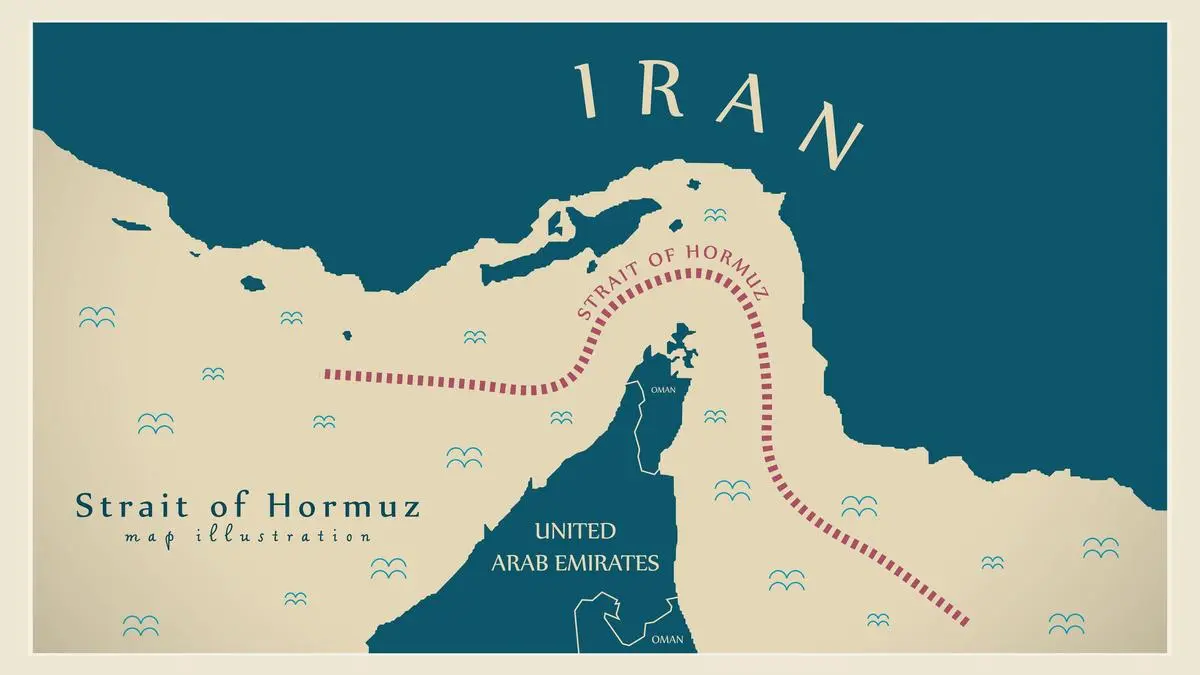
The competitor's article spends a thousand words worrying about the Strait of Hormuz. Yes, roughly 20% of the world’s liquid petroleum gas and oil pass through that 21-mile-wide strip of water. Yes, an Iranian shutdown of the strait would be a shock.
But Europe’s real energy crisis isn't a supply shock from the Gulf; it’s a self-inflicted storage and distribution crisis within its own borders. Even with the Iran conflict looming, the EU’s storage levels are technically "high." The problem is the infrastructure.
Western Europe has the regasification terminals; Eastern Europe has the demand. The pipes don't connect them efficiently. Instead of spending billions on "solidarity" subsidies to keep inefficient factories open, the EU should be bulldozing the regulatory hurdles that prevent cross-border pipeline construction.
The "measures" published this week do nothing to address the fact that France and Spain are essentially energy islands. They do nothing to address the "not in my backyard" (NIMBY) protests that stall every major grid upgrade. They focus on the theater of the Middle East because it’s easier to blame a foreign war than it is to admit that European energy policy has been a fragmented mess for three decades.
Solidarity is a Code Word for Hostage-Taking
One of the most dangerous phrases in the EU’s new playbook is "mandatory solidarity." This requires member states to share gas with neighbors in the event of a severe shortage.
On paper, it’s a noble, "all for one" sentiment. In practice, it’s a moral hazard of epic proportions. If Country A knows that Country B is legally required to bail them out, Country A has zero incentive to invest in its own expensive storage facilities or nuclear plants. Why bother with the political headache of building a reactor when you can just tap into your neighbor's reserves when things get hairy?
This isn't a partnership; it’s a system that punishes the prepared and rewards the negligent. It creates a "race to the bottom" where the most energy-secure nations are dragged down by those who spent the last decade chasing pipe dreams of 100% intermittent renewables without a backup plan.
The Renewables Trap
The EU claims that the war in Iran proves we need to accelerate the Green Deal. This is the ultimate "lazy consensus."
Let's look at the math. Solar and wind are excellent supplements, but they are not base-load power. When the sun goes down and the wind stops blowing, you need something that spins a turbine 24/7. Currently, that’s gas or nuclear. By demonizing gas (even as a transition fuel) and dragging their feet on nuclear, European leaders have left the continent's industry at the mercy of the weather and the whims of foreign despots.
If you want to address the impact of the Iran war on the energy market, you don't do it with more subsidies for wind farms that take ten years to permit. You do it by deregulating the small modular reactor (SMR) market and treating energy independence as a matter of survival rather than a social engineering project.
The Real Cost of "Security"
Every time Brussels "publishes measures," it adds a layer of cost. Compliance officers, monitoring boards, reporting requirements—these aren't free. The "impact" of the Iran war is being worsened by the bureaucratic friction of the response.
We are entering an era of "Geoeconomic Fragmentation." The old rules of globalized, just-in-time energy are dead. The EU’s response is to try and rebuild the old world using the same tools that broke it: committees, caps, and communiqués.
The contrarian truth? The best way to handle the Iran crisis is to do nothing to the market. Let the prices rise. Let the pain be felt immediately. It sounds cruel, but it is the only way to trigger the massive, private-sector shift toward efficiency and alternative sourcing that is required.
Subsidizing the status quo only ensures that the status quo remains fragile. If you want a resilient Europe, you have to stop protecting it from reality.
The EU isn't building a shield against the Iran war. It’s building a cage for its own economy, and the keys are being handed to the very competitors it thinks it's outsmarting.
Stop asking how the government can lower your energy bill. Start asking why the government has made it illegal for the market to fix itself.
The "safety measures" aren't the solution. They are the crisis.