The map of the world is drawn with lines of ink, but it is held together by threads of quiet understanding. When those threads snap, the noise that follows can drown out even the most urgent needs.
Consider a cold holding room somewhere in the shifting terrain of Europe. Months ago, two soldiers from North Korea sat under harsh fluorescent lights. They had been pulled into a distant meat grinder, deployed to the frozen trenches of Russia’s Kursk region. When the chaos cleared, they found themselves not dead, nor abandoned entirely by fate, but captured by Ukrainian forces. They made a choice. They wanted to go south—all the way south, past the 38th parallel, to a country whose constitution constitutionally regards them as citizens rather than foreigners. Learn more on a similar topic: this related article.
Quiet negotiations began between Seoul and Kyiv. Intelligence channels whispered to intelligence channels. The transfer of these two men required an invisible cage of absolute discretion. Why? Because the families they left behind in the shadow of Pyongyang still walked under the watchful eyes of the regime. To announce their survival, to broadcast their escape, was to write a death sentence for loved ones left behind.
Seoul agreed to take them. On one condition. Silence. Further analysis by Al Jazeera highlights related views on the subject.
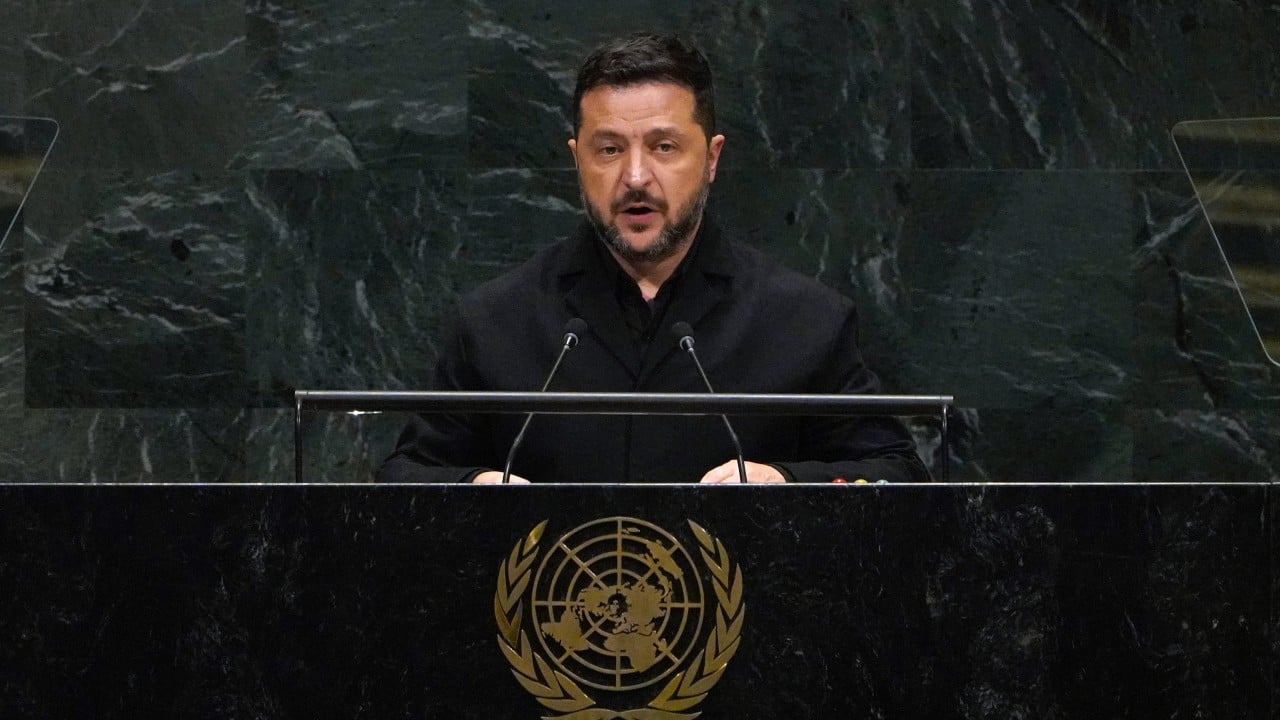
Then came the grand stage of the United Nations General Assembly. The lights glared, the microphones hummed, and Ukrainian President Volodymyr Zelenskyy stepped up to the podium. With a desire to highlight the widening international scope of the conflict—and perhaps to anchor South Korea more visibly to Kyiv's defense—he spoke the quiet part out loud. He publicly disclosed that the two North Korean prisoners had been successfully transferred to Seoul.
In the offices of South Korea’s leadership, the reaction was immediate and fierce. President Lee Jae-myung’s administration viewed the public announcement not as a diplomatic victory, but as a severe breach of trust. Trust, once shattered, is notoriously difficult to glue back together. Seoul responded with swift diplomatic retaliation, recalling its ambassador and pulling back key embassy staff from Kyiv. The message was blunt: friendship requires discretion, and breaking a promise has a cost.
For weeks, commentators and foreign policy analysts watched the spat escalate, predicting a chilling freeze in relations. They wondered if Seoul would slam its wallet shut, letting political anger sever its humanitarian commitments to a battered nation thousands of miles away. After all, diplomacy is often a petty thing, driven by wounded pride and institutional anger.
Yet, reality proved more complex than a bruised ego.
Behind closed doors in Paris, foreign ministers met to test the waters of repair. Apologies were not immediately handed over, and the friction lingered like smoke after a fire. But when the cold mathematics of the upcoming 2027 government budget were finalized, something remarkable happened. The state assistance remained.
South Korea's proposed budget kept intact a massive $100 million aid package for Ukraine. This funding, bridging NATO trust funds, humanitarian projects, and conflict-recovery efforts, was preserved despite the unresolved diplomatic standoff.
This is where the story diverges from ordinary political drama. Governments often use aid as a weapon, withholding relief to punish bad behavior or reward obedience. Yet Seoul chose a different path. It separated the raw, messy emotions of a diplomatic fallout from the enduring necessity of human survival on a distant frontier.
The two soldiers are now living in the quiet custody of South Korean intelligence agencies, undergoing the long, psychological unpacking of defectors who stepped out of one nightmare only to find themselves at the center of an international storm. They will likely never return home. Their families remain ghosts in a closed state.
Meanwhile, the aid flows on. Millions of dollars earmarked for medical supplies, reconstruction, and international defense funds continue to move from Seoul toward the Ukrainian plains. The anger between governments is real, and the diplomatic scars will take years to fade. But beneath the institutional posturing lies a stubborn truth: some obligations are too heavy to drop, even when the hands carrying them are shaking with frustration.