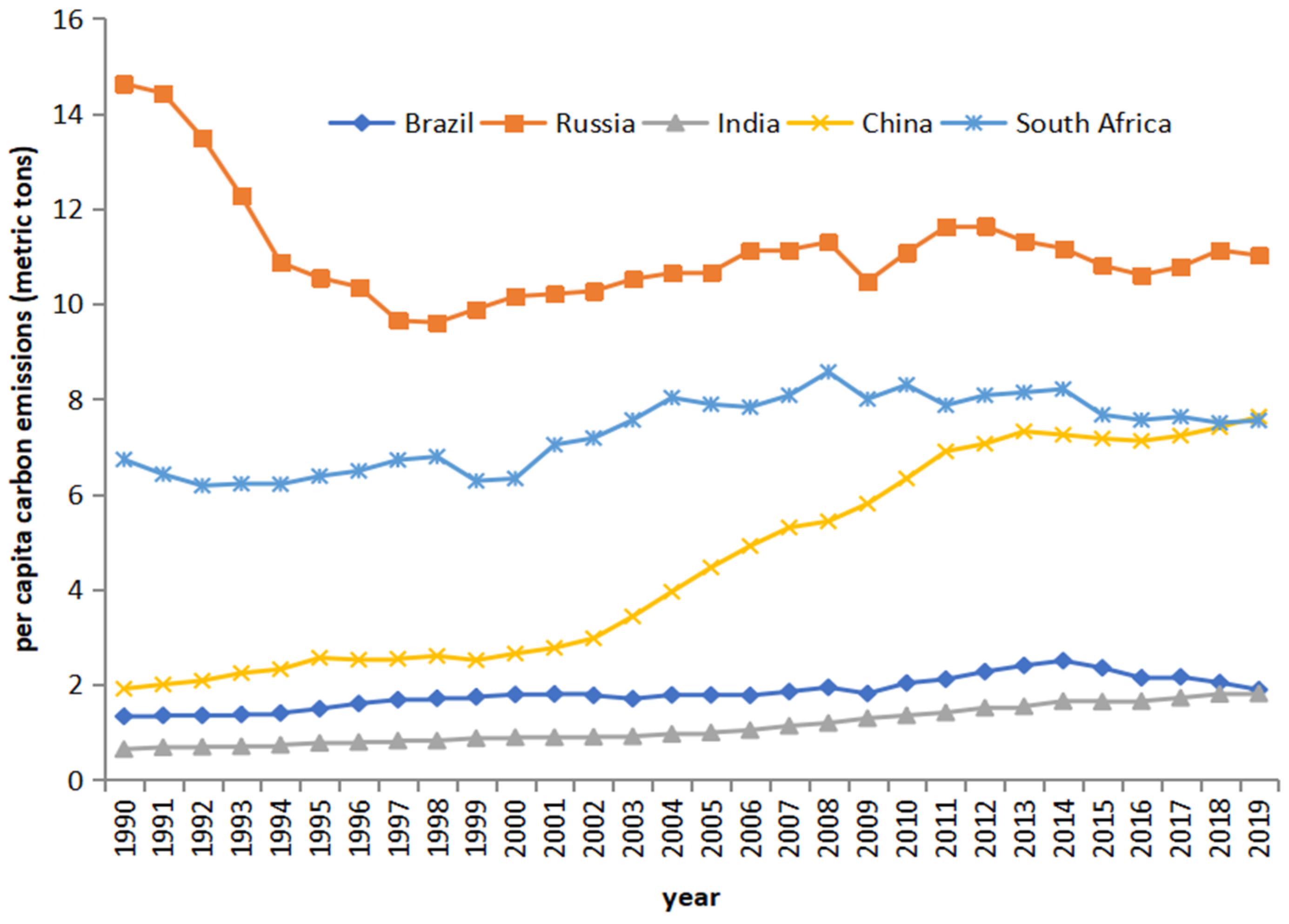
The fault lines in global climate diplomacy are no longer hidden behind polite diplomatic communiques. When the bloc of emerging economies known as BRICS pushes back against unilateral environmental trade measures and demands hundreds of billions in climate finance, it marks a fundamental structural fracture in how the world trades and tries to save itself.
At the core of the dispute is the European Union's Carbon Border Adjustment Mechanism alongside similar impending trade barriers. Brussels calls it an environmental leveler designed to prevent carbon leakage. Developing economies view it as a thinly veiled protectionist tariff that weaponizes emissions accounting against nations still reliant on fossil fuels to lift millions out of poverty.
The economic arithmetic driving this friction is brutal. Exporting steel, aluminum, and fertilizers from the Global South into Western markets under new carbon levies effectively imposes a penalty for developmental lag. Industrial infrastructure takes decades to turn over. Demanding immediate decarbonization without the capital to fund it is an impossible fiscal demand.
The Financial Chasm Beneath the Rhetoric
Talk is cheap, but green transition infrastructure costs trillions. For years, developed nations promised one hundred billion dollars annually in climate finance, a target consistently missed, delayed, or met with re-routed loans rather than grants.
BRICS nations are calling out this hypocrisy. When emerging economic powerhouses look at international financial institutions, they see systems built by and for post-war Western economies. The current capital architecture makes borrowing prohibitively expensive for developing states trying to build solar grids or modernize heavy industry.
This financing deficit creates a dangerous policy paradox. Nations are told to cut emissions immediately while being denied access to low-cost capital required to make the green transition economically viable. Without massive capital infusions, emissions reduction targets in the developing world are little more than paper mandates.
Sovereignty Versus Carbon Accounting
Behind the trade statistics lies a deeper struggle over global economic sovereignty. Western regulators want universal supply chain transparency and carbon accounting standards managed through institutions they largely influence.
BRICS leadership counters that environmental regulations cannot be dictated from afar without accounting for historical emissions and national developmental stages. The argument rests on a simple premise. Those who industrialized first and accumulated a centuries-long atmospheric debt bear a heavier responsibility than those currently building their first coal or gas plants to power modern grids.
This friction threatens to balkanize global trade. Instead of a unified global market moving toward sustainable standards, we face a future of fragmented trade blocs. One camp imposes carbon taxes at the dock, while the other builds alternative financial networks and trade routes to bypass Western-led carbon oversight.
What Happens When the Systems Collide
The immediate consequence of this standoff is regulatory gridlock at international climate summits. Every negotiation over loss and damage funds or carbon markets turns into a proxy war over trade protectionism.
Businesses caught in the middle face an operational nightmare. Supply chains must navigate overlapping and contradictory regulatory frameworks. A manufacturer in a developing economy shipping industrial goods to both Western markets and BRICS partners must manage entirely different compliance tracks for carbon documentation and taxation.
The long-term trajectory points toward a permanent multipolar economic order. As alternative financial institutions scale up, developing nations will have more leverage to resist unilateral trade mandates.
The standoff over carbon border measures and climate finance is not a temporary diplomatic squabble. It is the defining economic battleground of the energy transition, exposing the raw nerve where global trade policy, national sovereignty, and planetary survival intersect.