Imagine sealing your windows tight during a sweltering summer heat wave because opening them lets in the scent of tens of millions of pounds of decomposing meat. That's the daily reality for residents living near the massive cold-storage facility in Boyle Heights.
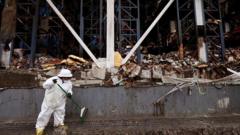
A catastrophic fire tore through a 500,000-square-foot warehouse leased by Lineage Logistics, burning for a week straight in June. When the smoke finally cleared, it left behind roughly 85 million pounds of spoiled frozen food sitting in ruined, unrefrigerated ruins. Weeks later, the public health crisis exploded.
Why the Stench Won't Go Away
When power fails and cooling systems die, massive quantities of meat, poultry, and produce spoil rapidly. The fire didn't just burn structural steel; it cooked and ruined an industrial scale of groceries.
Residents living a single block away compare the pervasive odor to a decomposing body. It coats the air day and night. South Coast Air Quality Management District officials stepped in with strict enforcement actions, issuing multiple notices of violation over toxic, rotting odors.
Lineage Logistics faced daily fines from the Los Angeles County Department of Public Health for unsanitary nuisance conditions. Regulators found fly larvae, swarms of insects, and rats scurrying through the debris. Cleanup crews wrestled with an unprecedented waste removal challenge, hauling out truckloads of putrid slurry while deploying odor neutralizers and misting systems around the perimeter.
Corporate Finger-Pointing and Safety Failures
Corporate accountability remains a massive point of contention. Lineage pointed fingers at Altus Power, a clean energy company operating a massive 300,000-square-foot solar array on the warehouse roof, claiming the fire sparked during rooftop testing. Altus stated the exact cause remained undetermined.
Locals aren't surprised by the disaster. The exact same Boyle Heights warehouse experienced a prior solar panel fire two years earlier. Neighbors called the facility a ticking time bomb long before the flames broke out. Similar industrial cold-storage fires at facilities linked to Lineage in places like Finley, Washington, drew parallel complaints, showing a troubling pattern of safety and infrastructure risks.
The Insult of Rebuilding Bids
Barely a month after the fire choked the neighborhood with toxic smoke and left locals besieged by flies and foul air, property representatives filed permits to rebuild the structure to its pre-fire condition.
Los Angeles Mayor Karen Bass blasted the move on social media, calling it a direct slap in the face to local families forced to live with the fallout. Public officials made it clear that rushing to restore the property before cleaning up millions of pounds of rotting waste is completely unacceptable.
If you live near industrial zones or manage urban commercial real estate, this disaster highlights the urgent need for strict municipal oversight, proactive hazard mitigation, and immediate emergency waste protocols when cold-storage infrastructure fails. Keep pressure on local representatives, demand strict enforcement of environmental health codes, and track how your city manages industrial safety zones in residential neighborhoods.


