The federal engine of criminal prosecution in the United States is being overhauled, and the result is a quiet disappearance of thousands of drug and firearm cases. In a radical pivot toward mass deportation and border security, the Department of Justice (DOJ) has shuttered more than 23,000 criminal investigations in the first half of the current administration. This is not a clerical error; it is a deliberate execution of the "Border First" mandate, a policy that effectively trades the prosecution of local street crime and white-collar fraud for the logistics of a historic immigration crackdown.
While the administration touts a record-breaking decline in illegal border crossings, the trade-off is becoming visible in federal courtrooms across the interior. Federal prosecutors, once tasked with dismantling gangs and tracking illegal arms, are now spending their hours processing habeas corpus petitions and managing the legal fallout of migrant detentions. The numbers are stark. In the first four months of this year, federal gun and drug charges in certain major metropolitan areas have plummeted by nearly 90 percent compared to the previous year.
The Great Declination
The sheer volume of cases being dropped is unprecedented. In February 2025 alone, the DOJ declined to prosecute nearly 11,000 cases—the highest monthly total since data tracking began in 2004. This spike followed a directive from Attorney General Pam Bondi ordering prosecutors to review and "validate" every open case launched prior to October 2022.
In practice, this "validation" functioned as a massive spring cleaning of the federal docket. Years-long investigations into money laundering, corporate fraud, and domestic terrorism were simply closed without charges. The logic behind this purge is twofold. First, it clears the "bureaucratic debris" of previous administrations. Second, it frees up the human capital required to meet the White House goal of one million deportations per year.
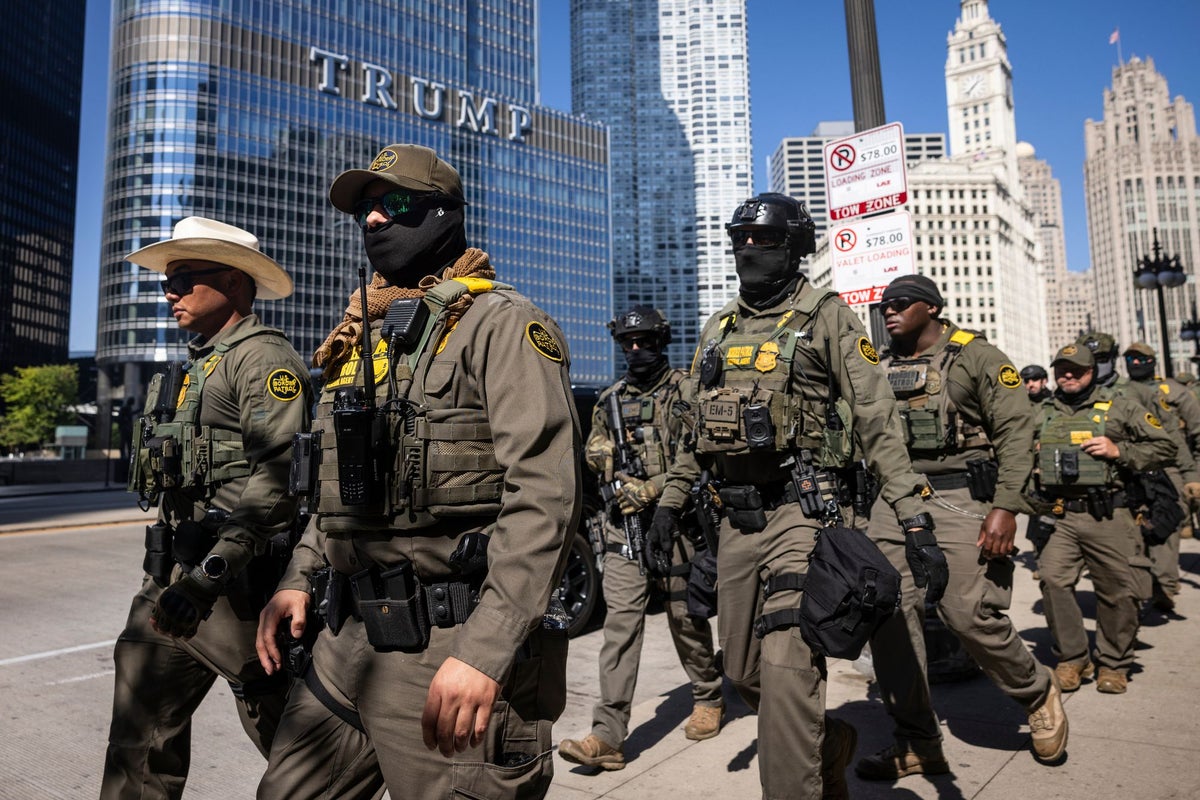
The impact on narcotics enforcement is particularly jarring. Despite the president’s frequent rhetoric regarding the fentanyl "scourge," the DOJ has declined to prosecute approximately 5,000 federal drug law violations since the start of the term. Agents from the DEA and FBI, who once spent months building complex trafficking cases, are being reassigned as "force multipliers" for Immigration and Customs Enforcement (ICE) raids.
Hollowing Out the Task Forces
The disruption is most acute at the local level. For decades, federal agencies like the ATF and DEA served as the backbone of multi-agency task forces. These groups allowed local police to "federalize" cases against violent felons, ensuring longer prison sentences and more robust resources.
In Minneapolis and other major hubs, that infrastructure is crumbling. Federal agents have begun disappearing from gang task forces. In some instances, federal prosecutors have even taken the rare step of handing complex investigations back to state authorities, admitting they no longer have the manpower to bring a federal indictment.
- ATF Diversion: Approximately 80 percent of ATF agents have been instructed to integrate immigration enforcement into their daily duties.
- FBI Reallocation: The FBI has been required to contribute nearly 7 percent of its entire workforce—roughly 2,000 agents—to support DHS immigration efforts.
- Civil Division Overload: In districts like Western Texas, immigration-related civil filings now account for over 75 percent of the new workload, up from just 3 percent in 2024.
This resource shift creates a vacuum. When a career criminal is caught with an illegal firearm in a major city today, the likelihood of facing a federal judge—and the mandatory minimums that come with it—is lower than it has been in two decades.
The New Hierarchy of Crime
The administration argues that this is a matter of efficiency. The "One Big Beautiful Bill" and the HALT Fentanyl Act were designed to streamline enforcement at the source—the border—rather than chasing every low-level dealer on an American street corner. By designating cartels as foreign terrorist organizations, the White House believes it can use the military and high-level sanctions to do the work that thousands of individual drug prosecutions failed to do.
However, this top-down strategy leaves a massive gap in the middle. Criminal organizations are not just monoliths; they are networks of local distributors and enforcers. If the federal government stops prosecuting the "middle management" of the drug and gun trade, the pressure on those networks evaporates.
The focus on "divisive DEI policies" and white-collar "overreach" has also led to the shuttering of entire units within the DOJ’s Criminal Division. Prosecutors who once specialized in corporate malfeasance are now being retrained or, in many cases, are simply resigning. This brain drain is not easily reversed. Specialized expertise in cybercrime or complex financial fraud takes years to develop. Once those lawyers leave for the private sector, the federal government's ability to police the upper echelons of the economy is effectively neutralized.
The Legal Surge
While criminal charges for traditional crimes are down, the civil side of the ledger is exploding. The administration’s aggressive detention policy has triggered a flood of litigation. Federal prosecutors are being pulled away from criminal trials to defend the government against thousands of migrants challenging their detention.
In the Southern District of California, the U.S. Attorney’s Office has begun offering bonuses to criminal prosecutors just to get them to help with the civil workload. Junior attorneys who were hired to prosecute drug smugglers are instead spent writing briefs for magistrate hearings.
The strategy is clear: the border is the only priority that matters. Every other function of the Department of Justice—from civil rights enforcement to white-collar crime to violent gang intervention—is now secondary. This is a fundamental reimagining of what federal law enforcement is for. It is no longer a general-purpose shield against crime; it is a specialized tool for national sovereignty.
Whether this gamble pays off depends on one's definition of safety. If the goal is a closed border and a smaller federal footprint in the boardroom, the mission is succeeding. But for the local police chiefs who are losing their federal partners, and for the victims of the crimes that are no longer "priorities," the Great Federal Pullback is an experiment with a very high price tag.
The federal government is effectively exiting the business of local crime-fighting. By the time the dust settles on this reorganization, the very definition of a "federal case" will have changed forever.