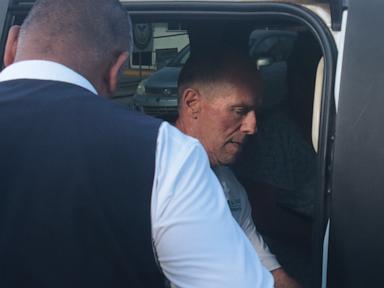
The headlines screamed about absurdity. A legally blind man gets behind the wheel, drives 150 miles across state lines while utterly plastered, and makes it all the way to his destination before the law catches up to him. Public safety advocates lost their minds. Social media turned the incident into a punchline about the utter lawlessness of our roads. The standard narrative writes itself: this is a terrifying indictment of lax enforcement, a madman endangering innocent lives, proof that we need stricter penalties, more surveillance, and tighter controls on every vehicle moving asphalt.
Everyone is looking at this backward.
Strip away the sensationalism and look at the raw mechanics of what happened. A man with severely compromised vision operated a multi-ton metal box at high speeds over a massive distance without causing a single collision. He did it while chemically impaired. If you judge systems strictly by outcomes, this anomaly forces a brutal question we refuse to ask. Why is our entire transportation infrastructure engineered in a way that allows a blind, drunk driver to complete a cross-country trek, while millions of sober, clear-eyed drivers crash into stationary objects on clear afternoons?
We have built a driving culture obsessed with the idea of competence rather than actual system resilience. We treat licensing as a moral seal of approval rather than a basic operational competency check. Then we act shocked when reality bypasses our bureaucratic gatekeeping.
The Myth of the Vigilant Driver
The fundamental flaw in modern traffic safety discourse is the romantic belief in the attentive human operator. Regulators, civil engineers, and insurance underwriters cling to an outdated fantasy. They picture a driver sitting upright, eyes locked on the horizon, hands at ten and two, processing every variable with lightning-fast reflexes.
That driver does not exist.
Real-world operators are sleep-deprived, staring at glowing rectangles in their laps, stressed about mortgages, and listening to podcasts about true crime. We have optimized vehicles to isolate operators from the physical reality of velocity. Modern suspension, sound deadening, and power steering numb the senses. When you remove sensory feedback, you force drivers to rely entirely on cognitive attention—which is the scarcest resource on the highway.
When a visually impaired individual manages a long-distance drive, it highlights an uncomfortable truth about modern roads. They are not difficult to navigate because they require high-level sensory engagement. They are difficult to navigate because they are monotonous, hyper-standardized corridors designed to compensate for human laziness. Strip away sight, add a depressant, and the asphalt layout itself practically steers the vehicle for you.
The Bureaucracy of Permission
Consider how we gatekeep mobility. We spend billions on DMV testing regimes, vision charts, parallel parking exams, and written tests full of trick questions about four-way stops. We treat these bureaucratic hurdles as sacred rites of passage that magically transform a novice into a safe pilot.
It is security theater of the highest order.
Passing a vision test at a stagnant counter under fluorescent lighting tells you nothing about a person’s ability to manage dynamic risk at 75 miles per hour in a torrential downpour. Yet, the moment someone clears that low bar, society grants them an implicit license to zone out. We obsess over who has permission to touch the steering wheel while completely ignoring the design of the environment they are operating within.
Look at what happened on that 150-mile stretch. The road design, the lane markings, the rumble strips, the guardrails, and the predictable flow of surrounding traffic created a self-correcting channel. The infrastructure did the heavy lifting. The driver was merely a passenger holding an expensive steering wheel.
If our roads required active, high-cognition engagement every hundred yards, a blind drunk driver would not make it past the first off-ramp. The fact that he completed a multi-hour journey is an indictment of civil engineering that encourages total cognitive abdication. We have designed highways so brain-dead simple that someone missing both sight and sobriety can autopilot across state lines.
Why We Punish the Outlier and Ignore the System
When an anomaly like this makes the news, the collective response is always punitive. Double the fines. Revoke licenses permanently. Install interlock devices in every vehicle. Demand more police patrols. We double down on behavioral control because it is cheap and easy to legislate. Changing the physical environment or admitting that our licensing model is fundamentally flawed requires actual work and intellectual honesty.
I have spent years analyzing transit safety data and municipal planning failures, and the pattern never changes. Institutions prefer a scapegoat to a systemic overhaul. Blaming the blind drunk driver lets everyone else off the hook. It allows the engineers who design hypnotic, straight-line speedways to pretend their work had nothing to do with the success of the trip. It allows regulators to maintain the fiction that their testing protocols actually screen for competence.
The contrarian reality is this. The man who drove 150 miles blind drunk is a symptom of a system that requires too little from everyone, not just outliers.
When you make a machine so easy to operate that literal impairment cannot stop forward progress, you have not created a safe system. You have created a system that encourages complacency. Every time we add lane-keep assist, adaptive cruise control, and autonomous braking without redesigning the underlying psychology of the road, we push ourselves further down this path. We are engineering the human out of the loop while simultaneously pretending human vigilance is what keeps us safe.
The Uncomfortable Road Ahead
We need to stop pretending that possessing a plastic card from the DMV equals an inherent right to zone out behind the wheel. We need to stop treating traffic violations as moral failures and start treating them as design failures.
If a blind man can navigate your highway network after a night at the bar, your highway network is telling you something profound. It is telling you that your roads are too forgiving of negligence, too monotonous, and too reliant on blind luck.
Until we admit that our entire approach to driver safety is built on a foundation of paper-thin assumptions, stories like this will remain bizarre anomalies instead of the glaring wake-up calls they truly are. Stop obsessing over the bad actor. Start looking at the stage that allowed him to perform.