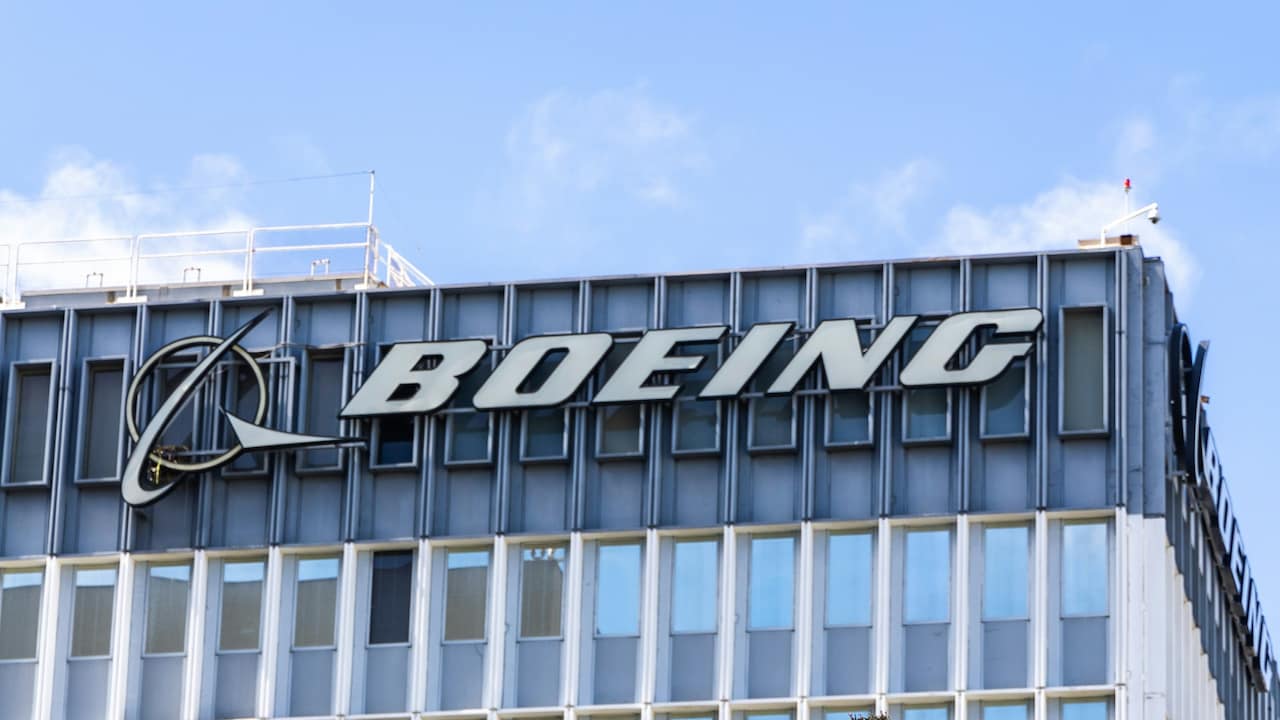
Another settlement. Another headline about a massive payout to grieving families. The media treats these twenty-nine million dollar checks like justice delivered. They frame it as corporate accountability. They want you to believe that extracting cash from an aerospace giant fixes the rot inside the machine.
It does not. Read more on a similar topic: this related article.
I have watched corporate boardrooms calculate body counts as line items for two decades. I have seen companies blow millions on legal theater while the foundational incentives that produce catastrophes remain entirely untouched. Focusing on the payout is a lazy distraction. It lets the system off the hook by pretending that writing a check washes away structural failure.
Boeing did not kill those passengers because a few executives were uniquely evil. They killed them because modern corporate governance rewards speed to market over engineering truth, and the legal system is designed to monetize the wreckage rather than prevent it. Additional analysis by Financial Times delves into comparable perspectives on this issue.
The Fallacy of Corporate Financial Penance
Let us look at the standard narrative. A tragedy happens. Investigators point to faulty software sensors, rushed certifications, and regulatory capture. Public outrage spikes. Lawyers circle like vultures, negotiations happen behind closed doors, and a multi-million-dollar settlement is announced.
Everyone claps. Justice served.
Except the company keeps operating under the exact same economic pressures. Twenty-nine million dollars to a multi-national aerospace manufacturer is a rounding error. It is the cost of doing business. If you think a settlement check acts as a deterrent, you do not understand corporate finance.
Deterrence requires pain that alters behavior. A fine or settlement that does not threaten the operational survival of the enterprise or the personal liberty of the decision-makers is nothing more than a tax. And Boeing pays that tax gladly to keep the assembly lines moving.
Reality Check: Settlements are not penalties. They are risk-mitigation strategies designed to avoid public discovery processes that might reveal deeper, more systemic rot.
When we celebrate a large payout, we are cheering for a system that treats human lives as actuarial variables. We are validating a model where safety is budgeted, accidents are anticipated, and payouts are pre-calculated.
The Regulatory Illusion
The lazy consensus blames the Federal Aviation Administration for sleeping at the switch. People argue that if government overseers had just been tougher, the planes would have stayed grounded.
This is naive.
The FAA has been systematically hollowed out for decades through budget constraints and the policy of delegation. When Congress authorized Organization Designation Authorization, it legally allowed manufacturers to police themselves to save government money. Boeing employees were literally delegated the authority to sign off on their own company's safety compliance.
Asking a publicly traded company to regulate its own product speed is like asking a wolf to guard the hen house because it promised to watch their cholesterol.
The system was built this way on purpose. Wall Street demands constant growth. Shareholders demand double-digit returns. If an aerospace firm takes ten years to properly design, test, and validate a clean-sheet aircraft, its stock gets punished, activist investors swarm, and competitors eat its lunch.
The pressure to rush the 737 Max did not come from rogue engineers operating in a vacuum. It came from the top down, driven by the existential panic of losing market share to Airbus and their re-engined A320neo.
Engineering Culture Versus Shareholder Value
To understand why planes fall out of the sky, you have to look at who runs the company.
For decades, aerospace firms were run by engineers. People who understood metallurgy, aerodynamics, and the unforgiving laws of physics. If an engineer said a system needed three years of flight testing, leadership listened.
Today, those companies are run by finance majors and management consultants. People who look at a spreadsheet and wonder why a heavy mechanical system cannot be replaced by a software patch to save weight and training costs.
That is how the Maneuvering Characteristics Augmentation System was born. It was not designed as a premier safety feature; it was engineered as a software band-aid to mimic the handling characteristics of older aircraft so airlines could save millions on pilot retraining simulator hours.
The financial incentive structure inverted reality. They used software to compensate for physical design changes, hid the existence of the software from the pilots to streamline marketing, and cut corners on redundancy because every single line of code added cost and time.
When you reward bean-counters for acting like engineers, you get catastrophe. And when the catastrophe arrives, the same bean-counters hire high-priced defense attorneys to negotiate settlements that keep the stock price stable.
The Legal Industry Industrial Complex
Let us talk about the attorneys and the courts.
When a high-profile crash occurs, legal teams race to secure clients. The resulting litigation is often a multi-year slog that exhausts families emotionally while generating tens of millions in billable hours for law firms.
By the time a settlement like the twenty-nine million dollar payout is finalized, the public has moved on. The lawyers get their percentage. The corporation gets a press release about moving forward. The victims' families get closure wrapped in a financial transaction, but no structural change occurs on the factory floor.
If we truly wanted accountability, settlements would not be private financial transactions managed by corporate defense counsel. They would require structural remedies:
- Mandatory equity dilution tied to safety failures.
- Mandatory prison sentences for executives who knowingly override safety warnings for schedule metrics.
- The dismantling of self-certification programs within regulatory bodies.
Instead, we get checkbook justice.
Why People Keep Asking the Wrong Questions
People ask: "Why hasn't executive leadership gone to jail?"
The answer is structural. Corporate law in modern economies is explicitly designed to diffuse responsibility to the point of non-existence. By creating layers of committees, outsourced risk assessments, and delegated authority, senior leadership shields itself from criminal culpability.
When everyone is responsible, no one is responsible.
People ask: "Will Boeing ever be safe again?"
The premise of the question is flawed. Boeing builds thousands of safe flights every day. The real question is whether an industry driven by quarterly earnings pressure can ever prioritize long-term technical integrity over short-term market dominance.
History suggests it cannot without radical, systemic intervention. As long as the financial upside of rushing a flawed product outweighs the legal cost of settling the resulting lawsuits, the behavior will repeat.
The Uncomfortable Solution
Fixing this requires abandoning the comforting illusion that lawsuits solve systemic industrial rot.
We need to stop treating corporate manslaughter as a civil liability problem to be solved with a settlement. We need to strip away corporate shielding when engineering ethics are violated for profit. We need to re-fund regulatory agencies and strip manufacturers of self-policing privileges, even if it means commercial aviation gets more expensive and slower.
Safety is not cheap. Efficiency and safety are natural enemies in engineering. When you optimize entirely for efficiency, you sacrifice margin for error.
Until we are willing to accept higher ticket prices, slower aircraft development cycles, and real criminal liability for corporate officers who ignore safety alerts, these settlements are nothing more than hush money paid to keep the machine running.
Stop celebrating the payouts. Start dismantling the incentives that make them necessary.



(mh=9Y7FVrqyxdiBUQYR)0.jpg)