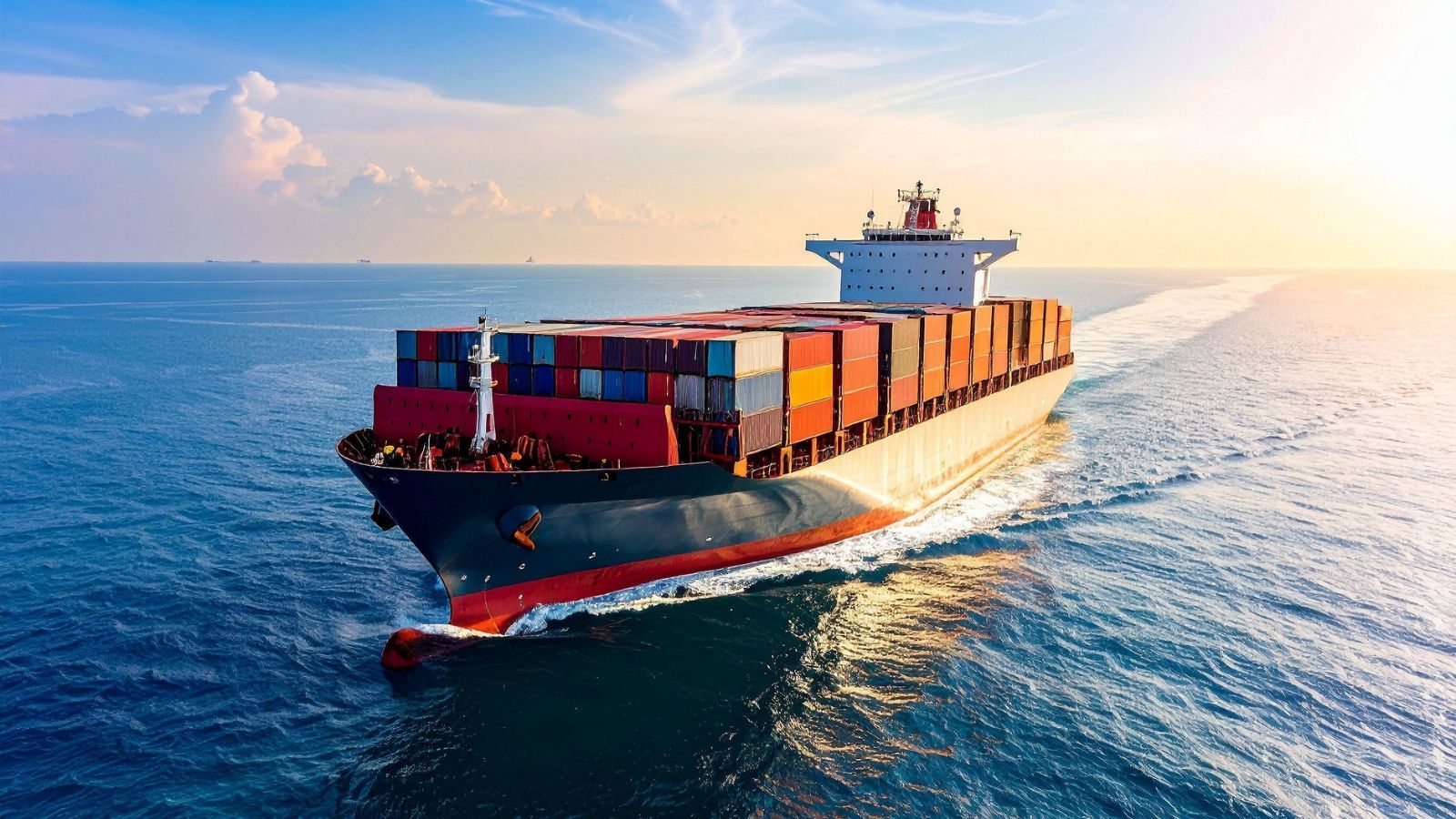
Maritime supply chains operating inside contested regional waters face a fundamental structural hazard when naval power asymmetry meets localized anti-ship missile capacity. The reported strike against two commercial cargo vessels in the Black Sea highlights the mechanics of maritime risk pricing, insurance market adjustments, and the operational constraints imposed on grain and raw material corridors. Understanding this dynamic requires examining how non-state or asymmetrical naval denial tactics alter the economic viability of shipping lanes without requiring a traditional surface fleet engagement.
The Operational Mechanics of Black Sea Corridor Vulnerability
Commercial shipping operates on predictable margins, reliable timelines, and stable insurance pricing. When a littoral conflict zone introduces unguided or precision-guided anti-ship munitions into civilian transit paths, the baseline operational calculus shifts from margin optimization to catastrophic risk mitigation.
The primary vulnerability of bulk carriers in the northwestern and western Black Sea stems from three overlapping factors:
- Inherent Signature Profile: Commercial bulk carriers possess high radar cross-sections, slow transit speeds, and fixed, predictable routing paths determined by authorized navigation corridors. This makes them easily trackable via commercial tracking transponders, coastal radar, or aerial reconnaissance.
- Absence of Active Defense Systems: Merchant vessels lack electronic countermeasures, chaff dispensers, point-defense missile systems, or armored hulls. They are optimized for cargo capacity and fuel efficiency, leaving them entirely defenseless against direct kinetic impacts.
- Cargo Volatility: Bulk vessels frequently transport grain, fertilizer, or steel products. While the cargo itself is rarely explosive, the structural integrity of the vessel can be fatally compromised by localized hull breaches, leading to flooding, loss of power, and cargo liquefaction or destabilization.
When state actors or belligerents target logistics nodes, the objective is rarely the tactical destruction of the cargo itself. Instead, the strategic goal is the imposition of a prohibitive risk premium on the adversary's export economy. By raising the cost of maritime insurance and forcing vessel operators to weigh the risk of hull loss against transport revenue, operators experience severe logistical bottlenecks regardless of whether a full naval blockade is legally declared or physically maintained by surface warships.
The Economic Transmission Mechanism
The disruption of maritime logistics does not stay isolated to the immediate point of impact; it propagates through a highly sensitive financial and operational chain.
[Kinetic Strike / Threat]
       ↓
[Spike in Hull & War Risk Insurance Premiums]
       ↓
[Owner Refusal / Crew Retention Crisis]
       ↓
[Port Congestion and Demurrage Escalation]
       ↓
[Contraction of Regional Export Volume]
Insurance and Underwriting Adjustments
War risk insurance rates are recalculated instantaneously following reported kinetic events within a designated Joint War Committee listed area. When carriers are hit, underwriters immediately increase the premium percentage relative to the vessel's hull value per transit. For low-margin agricultural commodities, a minor percentage shift in war risk premiums can entirely erase the profitability of a voyage, forcing charterers to demand heavy subsidies or abandon the route entirely.
Crew Safety
Black Sea Logistics and the Mechanics of Maritime Interdiction
news, business
Geopolitical conflict in maritime corridors rarely manifests as a clean disruption of entire trade networks. Instead, it operates through selective friction, targeted deterrence, and the systematic manipulation of insurance markets. When military forces strike merchant shipping, the immediate operational casualty is secondary to the psychological shock transmitted through the global underwriting and logistics ecosystem. Analyzing the strategic impact of attacks on commercial vessels carrying grain or industrial cargo requires moving past surface-level incident reporting to evaluate the underlying cost functions that govern maritime transit.
The Economic Mechanics of Maritime Risk
Commercial shipping relies on predictable risk pricing. Underwriters calculate premiums based on hull value, cargo type, route history, and the statistical probability of kinetic disruption. When a strike occurs in a heavily contested maritime zone, the cost function shifts abruptly.
The traditional economic framework of a voyage is dictated by three primary variables:
- Vessel Operating Expenditure: Fixed daily costs including crew wages, maintenance, and administrative overhead.
- Voyage Costs: Variable expenses such as fuel consumption, canal tolls, and port fees.
- Risk Premium: The financial hedge required to compensate for potential total loss or extended vessel detention.
When maritime security degrades, the risk premium does not scale linearly; it experiences a step-function increase. Insurers either demand prohibitive war-risk surcharges or withdraw coverage entirely. This forces shipowners to weigh the marginal revenue of a high-stakes voyage against the catastrophic downside of asset forfeiture or crew loss. Consequently, commercial operators often choose route abandonment over marginal gain, creating artificial supply constraints even when physical waterways remain navigable.
The Tripartite Friction of Chokepoint Logistics
Contested maritime trade routes like the Black Sea basin are governed by three interacting pressures that dictate whether commercial traffic can survive military escalation.
Insurance Availability and Capital Allocation
Maritime commerce cannot function without letters of credit and hull insurance. When underwriters classify a body of water as a Listed Area, reinsurers step in to reprice capital. Shipowners operating under corporate leverage cannot absorb uninsurable risk. Therefore, state-backed insurance pools or specialized national underwriting schemes often become the only mechanism to sustain transit. If these state backstops fail or calculate that the exposure is fiscally unsustainable, trade grinds to a halt regardless of military declarations.
Tonnage Availability and Crew Risk Appetite
Ships require physical hulls, but more importantly, they require human capital. Crews possess the agency of refusal. Even if a vessel owner is willing to chase high freight rates in a conflict zone, maritime labor unions and individual officers frequently exercise contractual safety clauses to bypass high-risk ports. A shortage of willing crews creates an immediate structural bottleneck that capital cannot instantly solve.
Alternative Corridors and Modal Shift
When primary maritime lanes face persistent interdiction, supply chains undergo forced adaptation. Shippers pivot to multimodal logistics, shifting cargo from maritime transport to rail networks, river barges, or overland trucking corridors. However, this modal shift introduces severe capacity constraints. Rail gauges, customs delays, and transshipment bottlenecks cannot match the deadweight tonnage of a bulk carrier, driving up landed costs for commodities like grain and steel.
Strategic Interdiction and the Calculus of Denial
Military strikes against commercial shipping are rarely random occurrences; they function as instruments of economic denial. By targeting vessels flying international flags or carrying civilian cargo, a belligerent alters the risk profile of the entire adversary export ecosystem.
The mechanism of denial operates through deterrence rather than total physical blockade. Sinking or damaging a fraction of the active fleet is statistically sufficient to alter the behavior of the remaining ninety percent. The marginal cost of executing a limited number of kinetic strikes is exceptionally low compared to the systemic economic damage inflicted on the opposing state's export-driven revenue streams.
This creates a complex dilemma for importing nations and international organizations attempting to maintain trade flows. Traditional naval escorts or protected transit corridors require continuous de-escalation protocols and robust air defense umbrellas. Without these safeguards, commercial operators are left to navigate an environment where sovereign security guarantees clash with the hard financial reality of corporate balance sheets.
Forecasting the Evolution of Corridor Security
As maritime security architecture continues to fragment, the traditional assumption of open, frictionless global commons is permanently eroded. Future trade resilience will depend less on international maritime law and more on localized risk-mitigation strategies, including real-time telemetry sharing, decentralized insurance syndicates, and heavily fortified transit hubs. The long-term trajectory points toward regionalized supply chains where vulnerability to localized maritime conflict is systematically engineered out of business models, permanently altering how capital moves across contested waters.