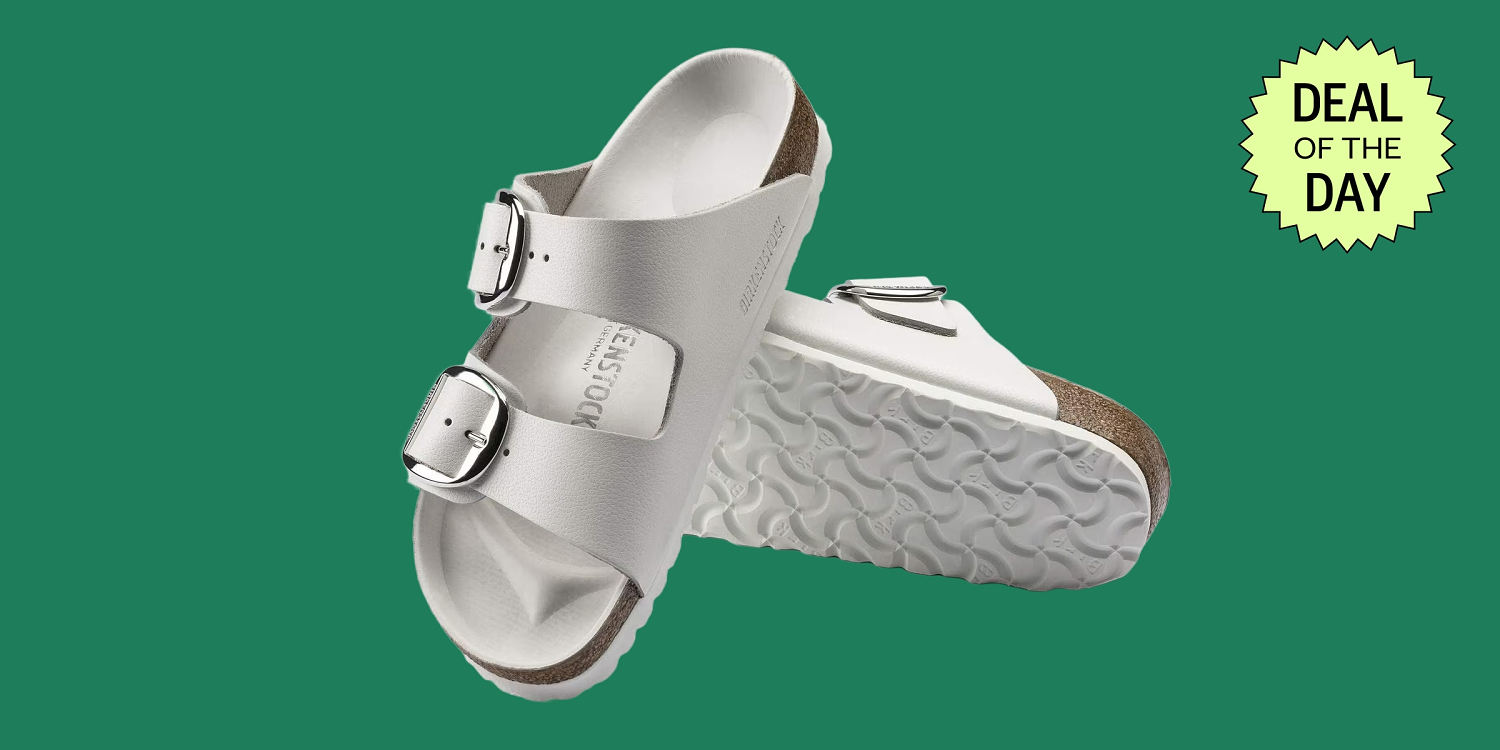
Flash sales across major e-commerce platforms currently offer Birkenstock Arizona sandals at a steep 40% discount. While a price drop from the standard retail price looks like a clear win for the consumer budget, this aggressive discounting signals a deeper shift in the premium footwear market. Major retailers are quietly offloading inventory as consumer spending habits tighten and supply chains overcorrect. For the savvy buyer, these sales present an immediate opportunity to acquire high-quality cork footwear for less, but they also expose the fragile balance between brand prestige and mass-market retail survival.
To understand why a famously stubborn brand is suddenly anchoring retail discount blocks, you have to look past the digital storefront.
The Mechanics of the Modern Footwear Glut
Retailers are drowning in inventory. Two years ago, supply chain bottlenecks forced brands to over-order to ensure shelves stayed full. Those orders arrived all at once, colliding directly with a cooling economy where middle-class shoppers are reconsidering triple-digit purchases for casual footwear.
When inventory sits, it rots balance sheets. Footwear retail relies heavily on turnover liquidity. Brands like Birkenstock maintain strict control over their minimum advertised price (MAP) policies to protect their luxury positioning. However, third-party distributors and department stores facing quarterly pressures frequently find backdoors to liquidate stock, driving the 40% price slashes seen on major aggregators.
The sandals on sale are rarely the core, permanent collection pieces in classic black or habana brown oiled leather. Look closely at the listings. The deep discounts almost exclusively target seasonal colorways, EVA plastic variants, or specific synthetic Birko-Flor models. It is a classic retail clearance strategy disguised as a sweeping brand event.
Deciphering the Material Tradeoffs
Not all Arizona sandals are built the same way. The price tag reflects a specific material composition that dictates how long the footwear will last and how it will feel on your foot.
The Traditional Leather and Cork Footbed
The flagship version features a thick leather upper and a natural cork-latex footbed lined with suede. This assembly requires a break-in period. The cork molds precisely to the unique contours of your foot over several weeks of consistent wear. It offers rigid, structural orthopedic support that can last for years if properly maintained with cork sealer.
The Synthetic Birko-Flor Alternative
Many discounted models utilize Birko-Flor, a proprietary PVC synthetic material backed with soft fleece. It mimics leather visually and requires zero break-in time. It does not, however, possess the same tensile strength or long-term durability as genuine hide. It will crack over time under heavy flexing.
The All-EVA Molded Version
The cheapest models are made entirely of Ethylene Vinyl Acetate (EVA). These are lightweight, waterproof, and highly flexible shock absorbers. They are perfect for the beach or the gym shower, but they lack the cork footbed that defined the brand's reputation for foot health. They do not mold to your foot, and they will compress permanently within a season of hard use on concrete.
The 40% discount frequently brings the premium leather models down to the price point of standard synthetic footwear, which represents genuine value. Conversely, a 40% discount on an EVA model simply aligns the product with its actual utility value.
The Longevity Math That Retailers Hide
Price is what you pay; cost is what you spend over time. Buying a premium shoe on sale only makes financial sense if you commit to maintaining the infrastructure of the product.
+------------------------+---------------------+-----------------------+
| Model Variant          | Expected Lifespan   | Repair Potential      |
+------------------------+---------------------+-----------------------+
| Oiled Leather / Cork   | 3 to 7 Years        | High (Resolable)      |
| Birko-Flor / Cork      | 2 to 4 Years        | Medium (Footbed only) |
| Full EVA Molded        | 1 to 2 Seasons      | None (Disposable)     |
+------------------------+---------------------+-----------------------+
A leather-and-cork shoe is a repairable asset. Cobblers can replace the entire EVA outsole once it wears thin, saving the perfectly molded cork footbed for another half-decade of use. The synthetic and all-EVA options are destined for the landfill the moment the tread wears flat.
How to Audit an Online Footwear Sale
The digital marketplace is flooded with unauthorized distributors and sophisticated counterfeits that mimic the exact aesthetic of the Arizona silhouette. Spotting the difference requires a systematic approach before clicking the buy button.
Check the seller profile explicitly. If the seller is a third-party merchant with an alphanumeric name operating through a massive fulfillment network, exercise extreme caution. True deep discounts usually originate from authorized department stores clearing out autumn inventory or verified outdoor outfitters making room for winter gear.
Examine the hardware images carefully. Genuine pairs feature branded buckles with deep, clean stamping and a matte finish. Counterfeits frequently use lightweight, shiny alloy buckles that feel flimsy to the touch. The footbed lettering should be sharp, dark, and slightly debossed into the suede lining, not merely printed on the surface.
The Reality of the Premium Footwear Shift
The prevalence of these deep discounts highlights a broader tension in the consumer goods sector. When a premium brand scales to satisfy Wall Street growth expectations after going public, exclusivity is the first casualty. Production volume increases, styles proliferate, and secondary retail channels become flooded with excess options.
The consumer wins in the short term by securing lower entry prices for historically durable goods. The long-term risk rests with the product standard itself, as manufacturing processes scale up to meet discount-driven demand.
Inspect the upper material specification, verify the seller authentication path, and calculate the cost per wear before purchasing. True value lies in buying the highest structural quality at a depressed price, rather than chasing a low absolute number on a compromised material variant. Turn over the digital listing, read the fine print on the footbed composition, and buy the leather model that will survive a decade of repair rather than the synthetic substitute built for a single summer.