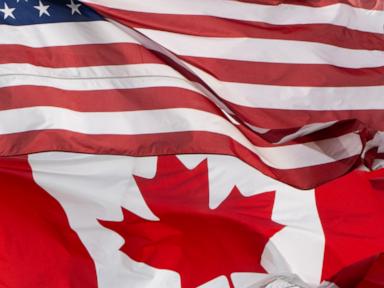
When trade barriers slam shut across the northern border, the economic shockwaves hit long before the ink on the regulatory paperwork dries. A billion-dollar restriction targeting specific Canadian imports transforms modern logistics into a maze of uncertainty. Companies that spent decades optimizing cross-border supply chains suddenly find themselves scrambling for alternatives. Consumers absorb the fallout through higher prices, while manufacturers watch their profit margins evaporate under sudden protectionist measures.
Understanding this dynamic requires looking past the political rhetoric and examining the cold mechanics of international commerce. Protectionism rarely operates with surgical precision. Instead, broad restrictions create widespread collateral damage, disrupting industries that have little to do with the original political dispute.
The Mechanics of Modern Trade Friction
Modern supply chains operate on microscopic tolerances. Every component, ingredient, and finished product moves according to tightly coordinated schedules designed to minimize warehousing costs. When a government institutes a sudden ban or heavy tariff on a billion dollars worth of goods, the immediate result is paralysis.
Consider a hypothetical example involving specialized manufacturing components. A factory in the American Midwest relies on precision-machined parts from a supplier just across the border in Ontario. If trade barriers suddenly block those shipments, the factory cannot simply source an identical replacement by the following morning. Tooling specifications differ. Quality certifications take months to clear. Regulatory compliance frameworks require extensive audits.
The stoppage forces management into an impossible choice. They can idle production lines, wait out the diplomatic standoff, or pay exorbitant prices for domestic alternatives that lack the necessary production capacity. None of these options protect corporate bottom lines. Each choice injects friction into a market that depends on frictionless movement.
Why Specialized Sectors Bear the Brunt
Broad trade actions often single out specific product categories to maximize political leverage while minimizing domestic backlash. Motorcycles and alcoholic beverages frequently land in the crosshairs of retaliatory measures. These items carry high visibility and strong cultural footprints, making them ideal targets for politicians seeking to score points with domestic constituencies.
Yet, targeting high-profile consumer goods ignores the intricate web of secondary suppliers, distributors, and retail workers who depend on them. When imported spirits face prohibitive restrictions, hospitality businesses take an immediate hit. Bars, restaurants, and independent distributors operate on razor-thin margins. A sudden spike in inventory costs or an outright ban on popular regional offerings disrupts cash flow immediately.
Similarly, the motorcycle sector relies heavily on integrated component sharing. Engines, chassis elements, and electronic control units cross international boundaries multiple times before a finished vehicle reaches a showroom floor. Interrupted borders fracture this ecosystem. Assembly plants must halt operations while engineers redesign parts lists to comply with new geographic restrictions. The cost of this redesign flows directly down to the retail buyer, driving up prices and suppressing demand.
The Illusion of Domestic Self-Sufficiency
Protectionist policies are frequently sold to the public as a pathway toward national self-reliance. Proponents argue that restricting foreign goods will naturally spur domestic production, creating local jobs and revitalizing abandoned manufacturing towns. Economic reality, however, tells a different story.
Building domestic capacity for specialized goods requires massive capital investment and years of development. Factories do not materialize overnight simply because a tariff or ban makes foreign competitors more expensive. Skilled labor shortages further complicate the picture. Training machinists, engineers, and supply chain specialists takes a generation, not a legislative cycle.
Furthermore, retaliatory responses from trading partners neutralize domestic gains. When one nation restricts billion-dollar flows of cross-border goods, the affected trading partner rarely accepts the blow quietly. They retaliate with their own targeted bans, frequently striking at agricultural exporters or industrial manufacturers in the initiating country. The net result is a contraction of total trade volume, lower overall economic output, and damaged international trust.
The Cost of Compliance and Bureaucratic Red Tape
Behind every trade restriction lies an army of customs officials, compliance officers, and legal experts tasked with enforcement. Implementing a billion-dollar ban transforms ports of entry into administrative bottlenecks. Every shipment must undergo heightened scrutiny to verify country of origin, material composition, and regulatory classification.
For legitimate businesses, this administrative burden translates into severe delays. Containers sit on docks for weeks, accumulating storage fees and missing seasonal sales windows. Smaller enterprises suffer disproportionately under this regulatory weight. While multinational corporations maintain dedicated legal teams to navigate shifting trade laws, independent businesses lack the resources to absorb protracted customs holds.
The financial drain extends beyond legal fees. Companies must invest in advanced software tracking systems to prove compliance with strict rules of origin requirements. This diversion of capital represents money that could otherwise fund research, product development, or workforce expansion. Instead, resources flow into defensive bureaucracy, adding zero value to the end consumer.
Historical Precedents and Economic Fallout
History demonstrates that trade restrictions rarely achieve their stated long-term goals. Past protectionist measures involving lumber, steel, and agricultural products consistently triggered reciprocal tariffs that harmed exporters on both sides of the border. When trade partners engage in escalating tit-for-tat retaliation, market signals become distorted. Capital is misallocated away from productive investments and poured into shielding operations from political whims.
Financial markets react swiftly to these policy shifts. Publicly traded companies exposed to cross-border trade experience immediate volatility. Investors reprice risk, discounting future earnings to account for potential regulatory hurdles. This market reaction tightens financial conditions for the affected sectors, making it harder for businesses to secure lines of credit or fund expansion projects.
The Regional Impact on Border Communities
Economies tied directly to international bridges and crossings feel the pain most acutely. Cities situated along the northern border function as single economic zones despite the political demarcation line. Workers commute across the border daily. Logistics hubs process goods heading in both directions.
When national governments impose restrictive measures, these integrated communities suffer localized recessions. Transport companies see freight volumes plummet, leading to layoffs among drivers, warehouse personnel, and logistics coordinators. Local tax revenues decline as commercial traffic slows, forcing municipal governments to cut public services or raise local taxes.
Navigating the New Economic Reality
As supply chains fracture under the weight of recurring trade disputes, businesses are forced to adopt defensive postures. Diversification has become the primary survival strategy. Corporate leaders who once relied on single-source efficiency now build redundancy into their operations, maintaining backup suppliers in multiple jurisdictions despite the higher baseline costs.
This shift marks a permanent departure from the globalization model that dominated the late twentieth and early twenty-first centuries. Efficiency is no longer the sole metric of success. Resilience, adaptability, and political risk mitigation now dictate corporate strategy.
Governments pushing protectionist measures often underestimate the long-term structural changes these policies trigger. Once companies invest capital in re-routing supply chains away from a traditional trading partner, those relationships rarely return to their prior state even after trade bans are lifted. Trust, once broken by sudden legislative shocks, takes decades to rebuild.
The billion-dollar toll on cross-border trade serves as a stark reminder that political decisions carry steep economic consequences. Markets despise uncertainty above all else. When borders become political weapons, the resulting instability ripples through every layer of the economy, quietly eroding wealth, raising consumer prices, and fundamentally altering how nations trade with their closest neighbors.


