The air in downtown Los Angeles smells like asphalt, roasting garlic from a street cart, and anticipation that has been slowly fermenting for decades.
It was 1984. I remember the sticky summer heat wrapping around the Coliseum like a hot towel, the roar of a crowd that believed, for one fleeting fortnight, that the city could host the world without collapsing under its own weight. Peter Ueberroth did the impossible then. He turned a profit on an Olympic Games. He proved that the greatest show on earth didn't have to be a fiscal black hole.
Forty-four years later, the clock is ticking down to 2028. And the money arriving isn't coming from ticket sales or souvenir stands.
It is coming from a monolithic glass tower on Park Avenue, bypassing traditional boardrooms to land right in the heart of Southern California.
JPMorgan Chase is writing checks. Big ones.
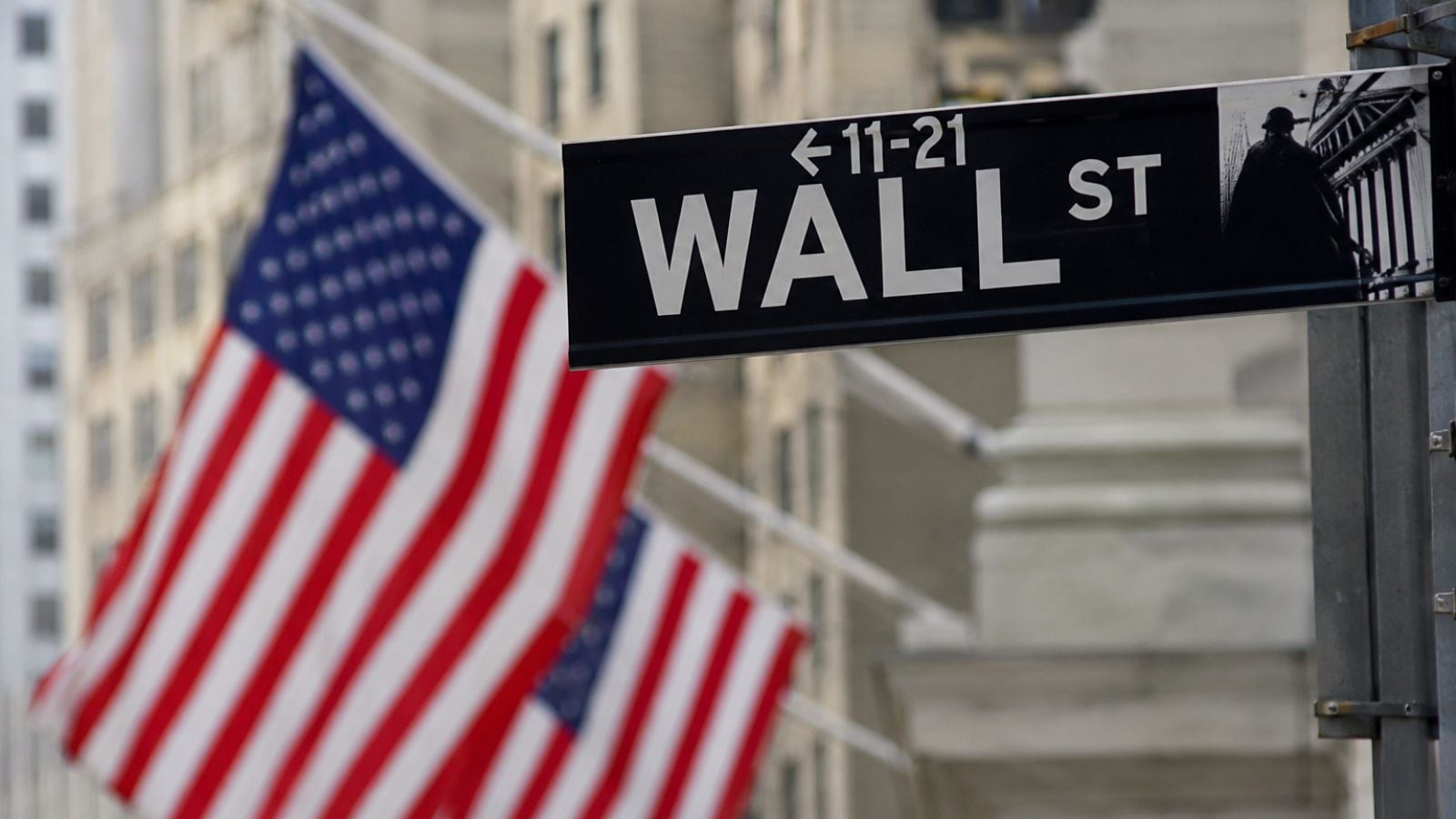
To understand why a bank synonymous with Wall Street suits and centuries-old ledgers is betting its future on a two-week track and field meet, you have to look past the spreadsheets. You have to look at the geometry of modern ambition.
The Anatomy of a Megacity in Motion
Imagine standing at the corner of Wilshire and Figueroa at five o'clock on a Tuesday. The traffic does not move; it congeals. The transit system is an ongoing experiment in patience. The infrastructure is a patchwork quilt of eras, knitted together by concrete and prayers.
Now, multiply that congestion by five million visitors.
When JPMorgan anchors its financial weight into the 2028 Los Angeles Olympics, they aren't just paying for logo placement on a billboard or a VIP hospitality tent. They are buying a front-row seat to the transformation of a continent.
(Note: The following scenario is a hypothetical illustration based on historical banking behavior during prior host city preparations, designed to capture the scale of urban logistical engineering.)
Picture Elena, a commercial credit strategist sitting on the thirty-second floor of a Los Angeles high-rise. Her screen glows with risk models, municipal bond yields, and transit upgrade projections. She isn't thinking about the 100-meter dash. She is thinking about electrical grids in Inglewood, hospitality payrolls in downtown, and supply chain liquidity for small businesses in Boyle Heights.
For a financial titan, an Olympic Games is a stress test for an entire ecosystem.
When a city prepares to host the world, money must move at the speed of light. Cash needs to clear instantly. Construction loans need to disburse without friction. Temporary pop-up venues require complex credit arrangements that defy standard banking cycles. By positioning themselves as the primary financial engine behind the 2028 infrastructure push, JPMorgan is securing a monopoly on the velocity of capital in America’s second-largest market.
They are plumbing the plumbing.
The Risk of the Unseen
History whispers warnings to anyone bold enough to back an Olympic venture. Montreal still carries the financial scars of 1976, a debt burden that took its citizens thirty years to shake off. Athens 2004 left behind a ghost town of rusting stadiums and empty pools, a monument to hubris.
The corporate partners of 2028 know this. Jamie Dimon and his lieutenants know this.
That is why the strategy this time is entirely different. The Los Angeles organizing committee has made a radical promise: no new permanent venues. They are using what already exists. The Coliseum. SoFi Stadium. The Crypto.com Arena. The Rose Bowl.
It is an austerity model dressed up in California cool.
Instead of pouring billions into concrete monuments that rot after the closing ceremony, the capital is flowing into invisible upgrades. Digital payment rails. Cybersecurity fortresses designed to protect millions of digital transactions against state-sponsored disruption. Credit facilities for local vendors who need working capital six months before the opening torch is lit.
This is where the bank earns its keep.
Risk is not a number on a page. Risk is a frightened merchant in downtown LA wondering if their credit card terminal will crash when thirty thousand tourists flood their block at once. Risk is a municipality realizing halfway through construction that their funding pipeline has frozen because of a sudden spike in interest rates.
JPMorgan is positioning itself as the shock absorber.
Why the Numbers Only Tell Half the Story
We obsess over the price tags. We read the headlines about corporate sponsorships crossing the nine-figure mark. We count the billions poured into transit extensions and airport modernizations.
Yet, numbers are cold comfort to the family living three blocks from a designated marathon route, wondering how they will get to work when the streets shut down.
The human element of a massive corporate investment is often buried beneath the gloss of press releases. But peel back the corporate boilerplate, and you find a web of human decisions. You find local contractors who either sink or swim based on whether their lines of credit are approved by a corporate committee three thousand miles away. You find millennial and Gen Z consumers in Southern California who judge a bank not by its interest rates, but by its cultural footprint and community commitment.
By tying its brand to the 2028 Games, JPMorgan is making a cultural wager. They are betting that Los Angeles in the summer of 2028 will project an image of American resilience, innovation, and vibrancy to a fractured global audience.
They want to own the narrative of the recovery. They want to be the invisible hand behind the most watched event on the planet.
The Long Tail of 2028
The Olympic flame will burn out. The athletes will pack their bags and fly home. The temporary grandstands will be dismantled, and the traffic on the 405 will return to its familiar, maddening crawl.
What remains?
For the city, perhaps a modernized transit network that finally connects the Westside to the East. For the local businesses, hopefully a surge of capital that sustains them through the next economic cycle.
For the bank, the play extends far beyond the final medal ceremony. The digital infrastructure deployed for those two weeks will become the permanent operating system for millions of new retail and commercial accounts. The relationships forged with municipal leaders will shape infrastructure financing in the American West for a generation.
It is a high-stakes chess match played out in real-time, beneath the unforgiving glare of the California sun.
The crowds will cheer for the gold medals. They will cry when records fall. They will argue over judges' scores and photo finishes.
But down in the engine room, long after the stadium lights have gone dark and the world has gone back to sleep, the ledgers will remain. Balanced, secured, and anchored deep in the soil of a city that never stops reinventing itself.