The Department of Justice just pulled the plug on one of the most controversial gun control measures of the last decade. It’s a massive pivot that’s sending shockwaves through the firearms community and Capitol Hill. This isn’t just a minor paperwork change. We’re talking about the complete dismantling of a rule that tried to redefine what it means to be a "gun dealer" in America.
If you’ve followed the news over the last two years, you know the Biden administration pushed hard for a rule that would have forced almost anyone selling a firearm for profit to get a federal license. They called it closing the "gun show loophole." Critics called it a back-door attempt at universal background checks. Now, the DOJ is walking away from it, effectively admitting the rule is legally indefensible.
The death of the engaged in the business rule
The core of the conflict was a 2024 rule titled "Definition of Engaged in the Business as a Dealer in Firearms." Under this policy, the Bureau of Alcohol, Tobacco, Firearms and Explosives (ATF) claimed that even a single sale intended to make a profit could trigger the requirement for a Federal Firearms License (FFL).
I’ve talked to plenty of hobbyists who were terrified by this. Imagine selling a huntin' rifle to a friend to pay for a new scope. Under the old wording, you might’ve been labeled an "unlicensed dealer." It was vague, it was aggressive, and it put law-abiding gun owners in the crosshairs of federal prosecutors.
On April 29, 2026, the Justice Department moved to roll back this regulation along with 33 other notices of rulemaking. This isn't just a policy shift; it’s a total philosophical 180. Acting Attorney General Todd Blanche made it clear that the focus is shifting away from "immaterial paperwork errors" and toward actual violent crime.
Why the courts killed the expansion
You can't just rewrite federal law because you don't like how it’s working. That’s essentially what the courts told the ATF. States like Texas led the charge, arguing that the administration overstepped its authority granted by the Bipartisan Safer Communities Act.
The courts found that the rule flipped the script on the American legal system. Instead of the government proving you were a dealer, the rule forced you to prove you weren't. It created a "presumption of guilt" for anyone selling a firearm. Federal judges didn't bite. They issued injunctions that paralyzed the rule in dozens of states. By dropping its appeals in cases like Texas v. ATF, the DOJ is finally acknowledging that they were fighting a losing battle.
The real-world impact on gun shows
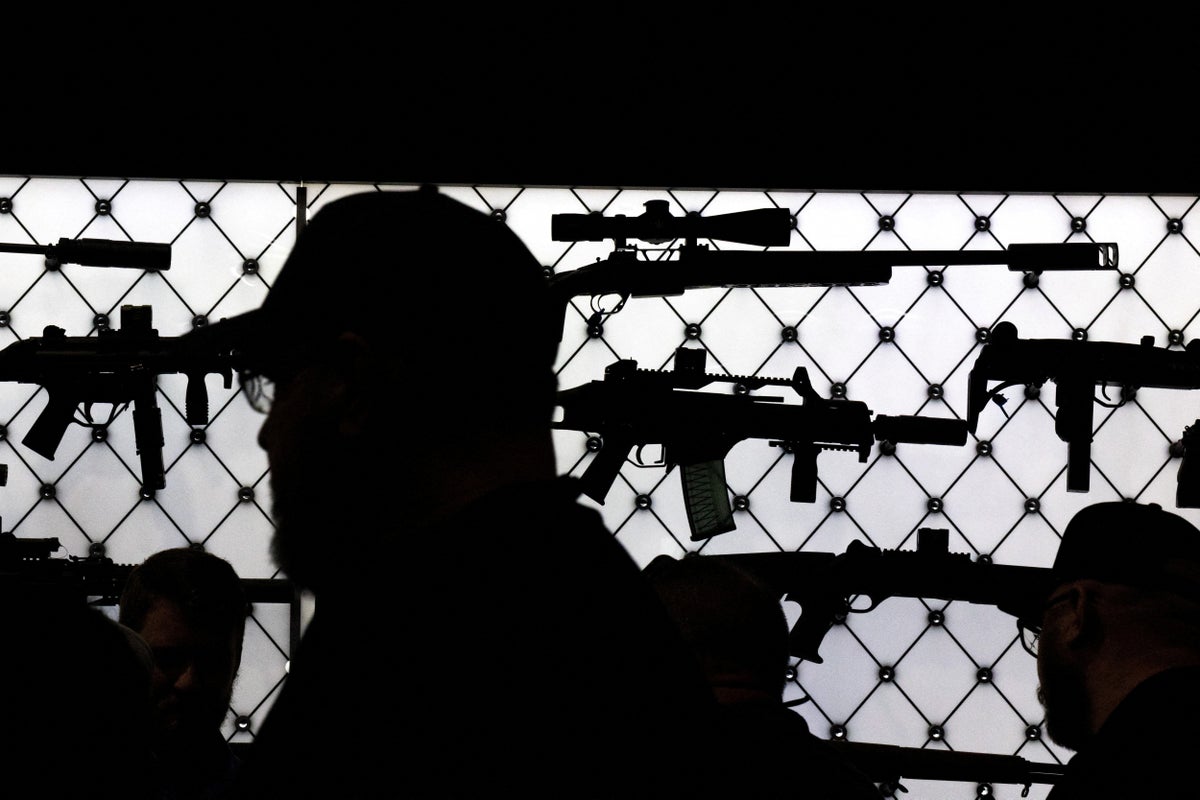
For years, the phrase "gun show loophole" has been a favorite talking point for activists. But here’s the reality: most people selling at gun shows are already licensed dealers. The ones who aren't are usually individuals selling off a part of their private collection.
The scrapped rule would have made these private sales nearly impossible without a middleman. By reverting to the previous standard, the DOJ is protecting the right of individuals to engage in private, non-commercial transactions. It’s a win for the casual collector and a blow to those trying to track every single firearm transfer in the country.
A new era at the ATF
This rollback coincides with the Senate confirmation of Robert Cekada as the new ATF chief. It’s a signal that the agency is moving toward a "partnership" model with the industry. For the last few years, FFL holders have complained about a "zero-tolerance" policy where minor clerical errors resulted in lost licenses.
The new "Administrative Action Policy" suggests those days are over. The ATF says it’ll now prioritize firearm traceability and public safety over harassing shop owners for missing a zip code on a form. It’s about time. We need federal agents chasing straw purchasers and gang members, not auditing the filing cabinets of small-town gun shops.
What happens to the Bipartisan Safer Communities Act
Don't think the entire 2022 law is gone. Parts of the Bipartisan Safer Communities Act are still very much in play. This includes:
- Enhanced background checks for buyers under 21.
- Funding for state-level "red flag" laws.
- Increased penalties for "straw purchasing" and gun trafficking.
The DOJ isn't ignoring these. Instead, they're refocusing. They’ve realized that trying to turn every private seller into a licensed dealer wasn't what Congress intended. The law was meant to target criminals, not the guy selling a Glock to his cousin.
The mail-order handgun controversy
Another interesting twist in this DOJ shakeup involves the U.S. Postal Service. In early 2026, the DOJ issued an opinion concluding that certain statutes banning the mailing of handguns were unconstitutional as applied. This has triggered a massive fight with blue states like New Jersey and New York, who are now trying to intervene in federal court to keep those bans in place.
It’s a bizarre situation where the federal government is refusing to defend its own old laws, and the states are stepping in to play prosecutor. This shows just how deep the shift goes. The current DOJ isn't just stopping new regulations; it’s actively looking at old ones and saying, "Yeah, this doesn't actually align with the Second Amendment."
What you should do next
If you're a gun owner or someone thinking about selling a firearm, the landscape is changing fast. Here is how you should handle the current situation.
First, stay informed about your state laws. While federal pressure is easing, states like California, New York, and Illinois have their own strict requirements for private sales that the DOJ's move doesn't change. Federal deregulation doesn't give you a pass on state-level felonies.
Second, if you sell a firearm, keep a record. Even if the "engaged in the business" rule is dead, it’s still smart to have a bill of sale. Note the buyer’s name, ID number, and the date. It protects you if that gun ever ends up at a crime scene.
Finally, watch the NFA lawsuits. The NRA and other groups are currently challenging the National Firearms Act itself, specifically regarding suppressors and short-barreled rifles. With the DOJ in a "roll back" mood, we might see even bigger changes to what you can own and how it’s registered by the end of the year.
The era of "regulation by memo" is taking a backseat. It's a return to a narrower, more literal interpretation of the law. Whether you're a fan of the move or not, it’s the most significant shift in federal gun policy we’ve seen in decades.
How the ATF is changing gun rules
This video provides a first-hand look at the legal battles and policy shifts currently defining the DOJ's new approach to firearm regulations.
http://googleusercontent.com/youtube_content/1