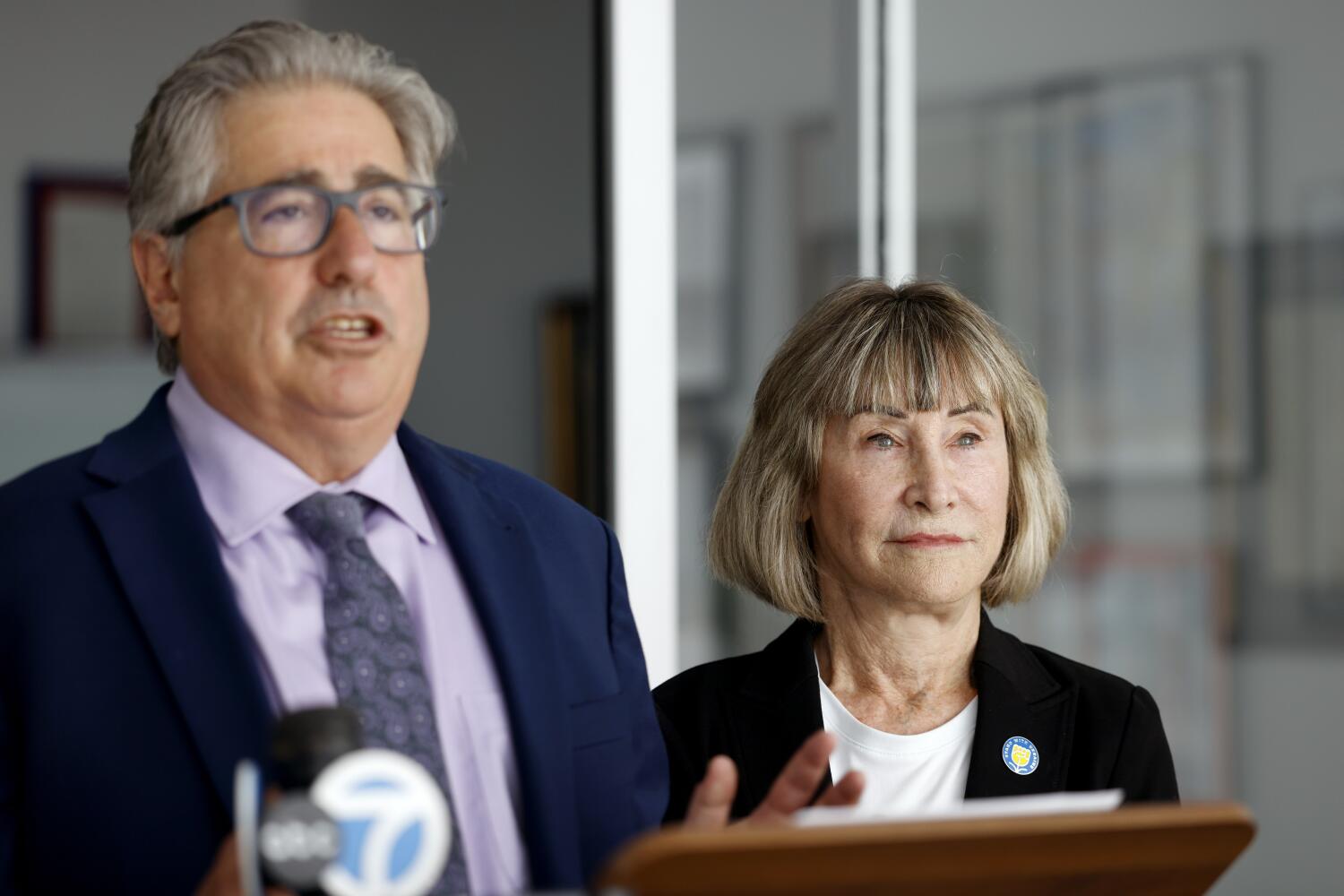
The standoff between Joanie Garratt, a veteran educator, and the Beverly Hills Unified School District exposes a fundamental friction in modern public education. It is not merely a dispute over a social media post; it is a collision between constitutional protections and the internal governance of a school system grappling with the volatile intersection of national politics and campus life.
Garratt, an educator with nearly three decades of experience in the district, alleges she was terminated from a long-term substitute position on November 13, 2024, after criticizing a campus pro-Trump demonstration on Facebook. The district, conversely, maintains that no termination occurred, asserting that Garratt remains a qualified substitute within their system.
This disagreement centers on a November 6 rally where students gathered in the school courtyard to celebrate the election results. Reports surfaced claiming that participants in the demonstration targeted a classroom used by the Black Student Union, allegedly using racial slurs and creating an atmosphere of intimidation. Garratt, who was not present for these events but reacted to them on her personal social media, wrote that she was disheartened by the behavior and attributed the conduct to the broader political climate.
The legal mechanism now in play is an administrative claim filed by Garratt, represented by civil rights attorney V. James DeSimone. The core argument hinges on the First Amendment. Garratt’s counsel asserts that the expression of political opinion on a private account, away from school grounds and distinct from her instructional duties, constitutes protected speech that the district cannot legally suppress.
For the district, the narrative is framed through the lens of policy and institutional stability. Superintendent Michael Bregy has publicly denied the dismissal, suggesting that as a substitute teacher, the cessation of an assignment does not constitute a formal firing. This distinction serves as a common procedural shield in employment law, often used to sidestep the rigorous due process requirements associated with tenured staff.
Observers of public sector labor relations recognize the nuance here. Schools are tasked with protecting students from harassment while simultaneously fostering environments where diverse viewpoints can coexist. When that balance falters, districts often prioritize the immediate mitigation of community unrest. In this case, the administration’s focus on "nurturing positive exchanges" and denouncing "false accusations" indicates a desire to manage the public perception of campus safety as much as the internal reality.
The incident highlights a growing discomfort in how educational institutions handle the blurring lines between teacher conduct and private digital life. If a teacher speaks out about a perceived injustice on their own time, is that an act of insubordination or an exercise of civic duty? Most district policies grant wide latitude for personal expression, provided it does not disrupt the educational process or violate specific workplace conduct codes. However, the definition of "disruption" is increasingly subjective in an era of viral social media clips and immediate, widespread community reaction.
Consider a hypothetical scenario where an educator writes a post criticizing a student demonstration. The administration might argue that such a post creates a perception of bias, potentially alienating students who participated in the rally and undermining the teacher's ability to maintain a neutral classroom. The teacher, however, might argue that failing to address egregious behavior like racial harassment constitutes a breach of the professional standard to protect the student body. The tension between neutrality and moral advocacy remains one of the most difficult hurdles for school administrators to clear.
The financial component of the claim, seeking damages in excess of $50,000, signals that this will not be resolved through simple administrative hand-waving. It forces the district to potentially disclose the internal communications surrounding the decision to end the teaching assignment. These documents could clarify whether the move was a genuine end to a short-term contract or a calculated reaction to the controversy surrounding the teacher’s digital voice.
Ultimately, the Beverly Hills situation is a case study in the vulnerability of substitute educators. They occupy a precarious position in the school hierarchy. Without the protections of long-term tenure, they are often the first casualties when political winds shift. The case demonstrates that in the modern educational sphere, the right to speak as a private citizen is frequently weighed against the institutional need to project total control. As the legal process unfolds, the final outcome will likely depend on whether the courts view this as a simple contractual end-of-term or a targeted infringement on the right to critique the school environment. The outcome will set a quiet precedent for how much leeway educators are afforded when they step outside the classroom to voice their convictions.