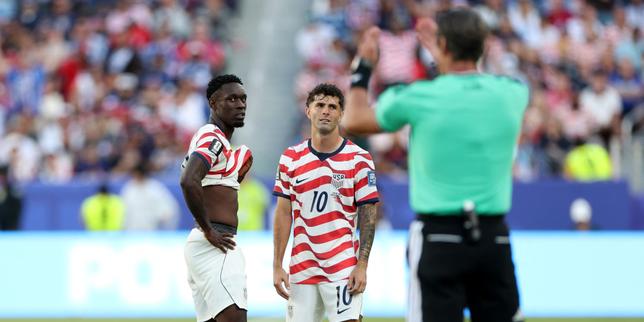
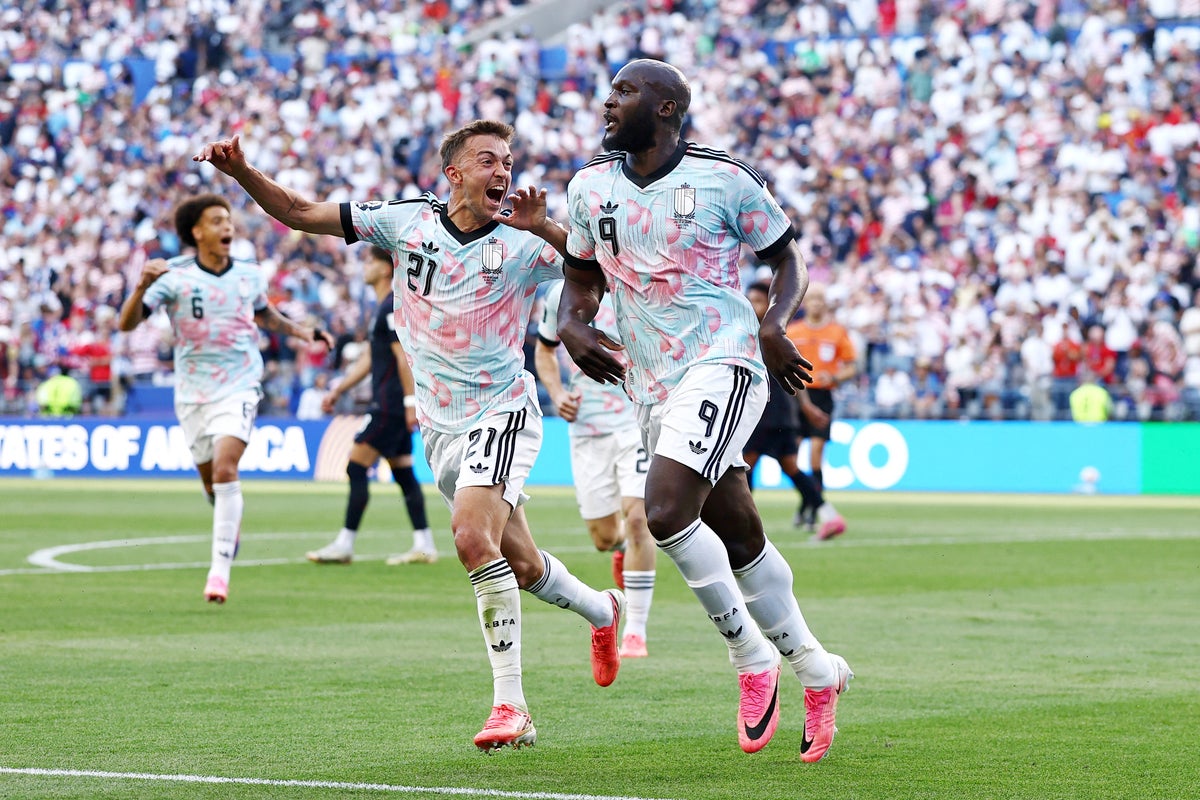
The scoreboard read 4-1, but it felt much worse. When the US Men's National Team crashed out of the tournament against Belgium, it wasn't just a bad day at the office. It was a tactical destruction. Fans and pundits love to blame raw effort or luck when a big tournament run ends in disaster. Let's be real here. The US team didn't lose because they didn't care. They lost because they were completely outmatched in the dugout and overrun in the midfield.
It happens all the time in modern soccer. A team rides a wave of public optimism straight into a brick wall of European tactical discipline. If you watched the match closely, the warning signs were flashing from the opening whistle. Belgium didn't just win the physical battles. They manipulated the space, dragged the American center-backs out of position, and exploited a midfield structure that looked incredibly fragile.
The Midfield Collapse That Ruined the Night
You can't win knockout matches when your central midfield disappears. The US opted for a setup that looked decent on paper but failed miserably in practice. Belgium's tactical setup created a constant three-versus-two advantage in the center of the pitch. Every time the US tried to build from the back, the passing lanes were completely blocked.
It forced the American defenders to bypass the midfield entirely. They started pumping long balls toward isolated forwards. That is exactly what Belgium wanted. Toby Alderweireld and Jan Vertonghen spent their careers eating those high, hopeful long balls for breakfast. By the thirty-minute mark, the American midfielders looked completely gassed from chasing shadows.
Kevin De Bruyne ran the show. He operated in that half-space between the US midfield and defensive lines, a zone the Americans never figured out how to close down. When nobody steps up to pressure a world-class playmaker, you get punished. The first two Belgian goals came directly from De Bruyne picking up the ball in acres of space and sliding perfectly weighted passes behind a scrambling backline.
Technical Disparities on the Big Stage
We often talk about the gap closing between American soccer and the rest of the world. Moments like this show how wide that chasm still is when it comes to technical execution under pressure. The US players struggled with their first touches. Every control took an extra microsecond. In elite international soccer, a microsecond is an eternity.
Belgium pressed with triggers. The moment an American player received the ball with his back to the field, two red shirts immediately swarmed. It led to cheap turnovers in dangerous areas. Look at the third goal. A heavy touch in the defensive third, a quick interception, two passes, and the ball is in the back of the net. It looked easy because the US made it easy.
- Turnovers in own half: The US surrendered possession 18 times in their own defensive third.
- Passing accuracy under pressure: Belgium maintained an 84% completion rate compared to a dismal 67% for the US.
- Shot conversion: Belgium turned their dominant spells into clear-cut chances, exposing a disorganized American box defense.
Coaching Inaction and the Failure to Adapt
Good managers fix problems before they turn into goals. Great managers fix them before the game gets away entirely. The US coaching staff sat on their hands while the tactical blueprint failed. It was clear by halftime that the 4-3-3 system wasn't working against Belgium's fluid shape.
A switch to a back three or a diamond midfield could have clogged those central areas. Instead, the team trotted out for the second half with the exact same tactical plan. It took going down 3-0 before any meaningful substitutions happened. By then, the match was dead and buried.
International soccer moves fast. If a manager cannot adjust on the fly during a knockout game, the team is doomed. Belgium's staff noticed the US left-back was pushing too high and immediately instructed their wingers to exploit that vacated space on the counter-attack. It was a masterclass in in-game adjustments, and the US had no answers.
Where US Soccer Must Go From Here
Fixing this mess requires a massive shift in how the national team prepares for top-tier opponents. Relying on athletic dominance might work against regional opponents, but it fails against elite European sides. The program needs to prioritize tactical flexibility and technical mastery at every development level.
Stop settling for managers who prefer rigid systems over adaptability. The players need to be challenged in environments where they don't always have the physical advantage. That means scheduling tough away friendlies against tactical heavyweights rather than comfortable home matches against lower-ranked teams. Until the US soccer establishment embraces tactical evolution, these painful tournament exits will keep happening.