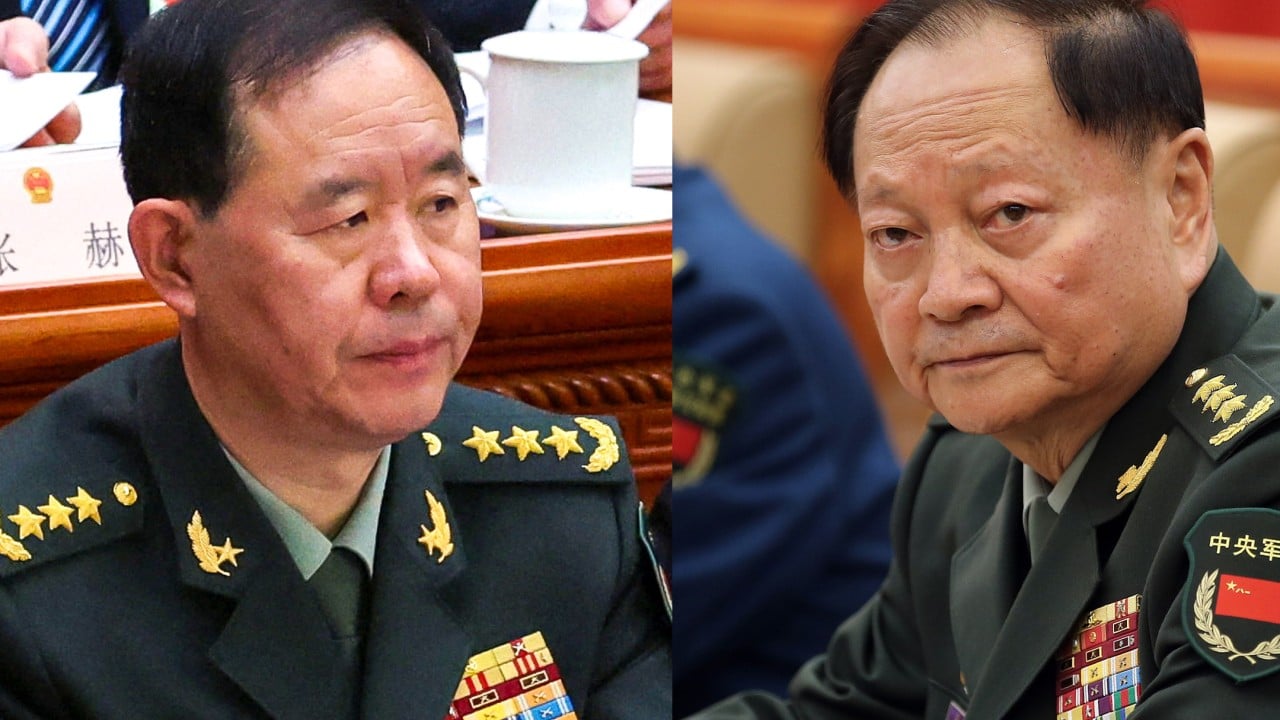
Political purges inside the People's Liberation Army aren't everyday occurrences. When high-ranking generals vanish from public view or get stripped of their titles, it signals a massive tremor at the top of the world's largest standing military. Recent moves by the Chinese Communist Party to expel former top military leaders for factionalism and disloyalty point to a much deeper institutional anxiety. Xi Jinping isn't just tightening his grip. He's actively trying to root out a culture of institutional rot that threatens party supremacy.
If you've been following Chinese politics, you know that loyalty is the ultimate currency. When the state officially accuses seasoned generals of factionalism, it means they formed independent power networks outside the direct command chain. That is an unforgivable sin in Beijing.
The Real Cost of Military Factionalism
Armies function on discipline and unified command. Once loyalty fractures into competing cliques, operational effectiveness drops to zero. That is the internal fear driving these expulsions.
Historical precedent matters here. Armies with deep-seated factional divides struggle badly during actual conflicts. Leaders in Beijing look at past military failures globally and see a direct link between divided loyalties and battlefield collapse. When generals start answering to each other or to regional patrons instead of the central committee, the entire defensive structure wobbles.
Insiders understand that military modernization efforts mean nothing if the officer corps suffers from corruption and ideological drift. Billions flow into advanced hardware, stealth aircraft, and naval expansion. Yet, hardware doesn't win wars if the people operating it care more about personal advancement and backroom deals than state directives.
Why Disloyalty Becomes the Ultimate Charge
Disloyalty in this context rarely means simple disagreement over policy. It means challenging the supreme authority of the party leadership.
When prominent figures disappear or face formal expulsion, state media uses specific language. Words like political corruption, bribery, and severe violations of discipline pop up constantly. These charges serve a dual purpose. They punish the offenders while sending an unmistakable warning to every other commander currently serving in the ranks.
- Centralized Control: Every single promotion and command decision must trace back to the core leadership.
- Eradicating Networks: Old alliances formed decades ago during military academy days or regional postings face systematic dismantling.
- Ideological Purity: Political education campaigns inside barracks ramp up sharply to ensure ideological alignment.
What This Means for Global Security
Observers outside China often misread these purges as signs of terminal weakness. That view is shortsighted.
Historically, authoritarian systems purge their ranks to eliminate complacency and enforce absolute compliance before executing major strategic shifts. Cleaning house removes internal friction. It leaves behind a command structure composed entirely of officers who owe their survival and status directly to the current leadership.
Pay close attention to who replaces the ousted generals. The new guard tends to be younger, highly technocratic, and intensely focused on modern joint-combat operations rather than old-school political maneuvering. They know the stakes. Step out of line, and the consequences are immediate and permanent.
Reading Between the Lines of State Announcements
Official state communiques are notoriously dry. They bury explosive political drama underneath bureaucratic prose.
You have to look at the patterns. When multiple commanders from specific branches—especially the Rocket Force or the equipment development departments—get sidelined simultaneously, it reveals where the vulnerabilities lie. Procurement scandals, leaked technical data, and operational readiness failures often trigger these quiet sweeps.
The party wants a clean, modernized, and utterly obedient fighting force. Until leadership feels confident that the officer corps is completely insulated from competing loyalties, these high-level expulsions will continue. The message is loud and clear. Survival requires absolute alignment, zero tolerance for independent power bases, and unwavering obedience to the central command.