The basement was damp, smelling of old concrete and cheap beer. It was 1988 in a crowded Harlem apartment building, and the speakers were bleeding.
If you were there, you didn't just hear the record. You felt it in the floorboards. It was a chopped-up drum break from a forgotten 1972 funk track, layered with a piercing, ghostly vocal sample that sounded like a siren wailing through a smoke-filled room. Then came the voice. Smooth, urgent, and perfectly timed.
"I wanna rock right now."
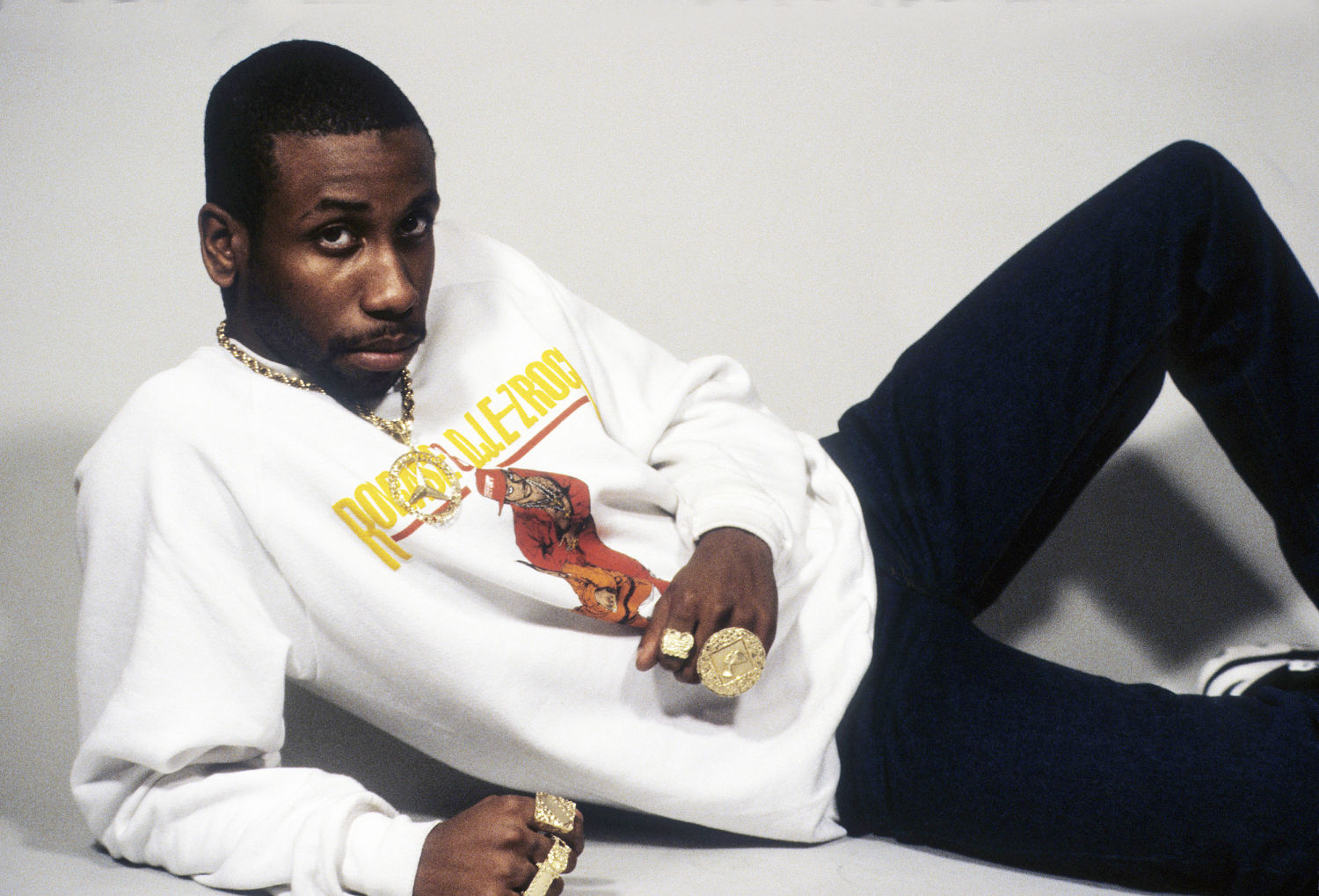
With those five words, Rob Base did more than just introduce a song. He captured a lightning storm in a bottle. Alongside his partner DJ E-Z Rock, he created "It Takes Two," a track that would permanently alter the DNA of popular music.
The news cut through the digital noise on a quiet afternoon: Robert Ginyard, known to the world as Rob Base, passed away at the age of 59. The headlines were standard, uniform, and cold. They listed his age, his hometown, and his biggest hit. They read like an obituary for a statistic.
But you cannot minimize a cultural earthquake to a bullet point. To understand why his passing leaves such a massive, echoing void, you have to look past the chart positions. You have to look at what happens when a subculture explodes into the mainstream and changes the world forever.
The Sound of Two People Clicking
Hip-hop in the late 1980s was undergoing a massive identity crisis. The genre was splitting into two distinct factions. On one side, you had the hyper-aggressive, politically charged lyricism of the East Coast. On the other, the gritty, reality-driven storytelling of the West Coast.
Music executives were terrified. They saw hip-hop as a fleeting, dangerous fad that would burn out before the decade ended. They didn't think it could scale. They didn't think it could cross over without losing its soul.
Rob Base and DJ E-Z Rock proved them completely wrong.
They grew up together in Harlem, running in the same circles and sharing the same obsessive love for vinyl records. They weren't trying to invent a new genre. They were just trying to make their friends dance. E-Z Rock, born Rodney Bryce, was the architect of the sound, digging through crates to find the perfect sonic textures. Rob was the voice, delivering lines with an effortless charisma that felt like a conversation with a friend on a stoop.
When they entered the studio to record "It Takes Two," they possessed a meager budget and zero expectations. They took a vocal snippet of Lyn Collins from her song "Think (About It)"—a sharp, ecstatic "Woo!"—and looped it over a James Brown drum beat.
It was an act of pure, unfiltered alchemy.
The song wasn't just a hit; it was a cultural reset. It bridged the gap between the underground hip-hop clubs and the mainstream pop charts. It was played at high school proms, neighborhood block parties, mainstream radio stations, and underground raves. It was a unifying force in a deeply divided era.
Consider the sheer scale of that achievement. In a world before the internet, before streaming algorithms, and before social media virality, a couple of kids from Harlem created a song that forced its way into the global consciousness through sheer merit and kinetic energy.
The Invisible Stakes of a One-Hit Wonder
Critics who don't understand the culture often throw around the term "one-hit wonder" with a sneer. They use it as a dismissal, a way to diminish an artist's legacy by suggesting they just got lucky once.
That narrative is fundamentally flawed.
To create a song that survives for nearly four decades is an extraordinary feat of artistic endurance. Most music vanishes into oblivion within a few months of its release. It gets buried under the relentless avalanche of new trends and shifting tastes.
"It Takes Two" never vanished.
It became part of our collective cultural infrastructure. You have heard it in movies, television commercials, video games, and sports stadiums. It is a song that instantly evokes a specific feeling of unadulterated joy. When that drum roll hits, everyone in the room knows exactly what to do.
But that kind of success carries a heavy, invisible weight.
Imagine spending the rest of your life chasing a ghost you created when you were twenty-three years old. Every subsequent record you release, every lyric you write, and every stage you step onto will be measured against a masterpiece. The industry demands that you replicate the miracle. If you can't, it quickly moves on to the next big thing.
Rob Base faced that pressure every single day. His follow-up singles, like "Get On the Floor" and "Joy and Pain," were incredibly strong tracks that performed well on the dance charts, but they were always overshadowed by the monolithic stature of his first major hit.
Yet, he never grew bitter. He didn't turn his back on the song that defined him. Instead, he embraced it. He spent decades touring the world, stepping onto stages under flashing lights, and delivering that same iconic energy to crowds who wanted to feel, even for just four minutes, like they were back in 1988. He treated the song not as a cage, but as a gift he was responsible for sharing.
The Silence After the Beat Drops
The tragedy of aging in hip-hop is that the pioneers rarely get their flowers while they can still smell them. The genre moves at a breakneck pace, always looking for the youngest, freshest voice, often discarding the architects who built the foundation.
DJ E-Z Rock passed away in 2014 at the age of 46. His death was a devastating blow to Rob Base. The duo that had conquered the world together was permanently fractured. Rob was left to carry the legacy alone, a solo performer keeping the memory of his childhood friend alive through the music they made together.
Now, with Rob's passing at 59, the chapter officially closes.
The loss hits hard because it reminds us of the relentless passage of time. The artists who soundtracked our youth, who provided the background music to our most formative memories, are slipping away. We are losing the generation that took hip-hop from a localized New York subculture and turned it into the dominant global art form of the modern era.
They did it without blueprints. They did it without corporate backing. They did it with nothing but a couple of turntables, a microphone, and an unshakeable belief that their stories mattered.
The Echo in the Concrete
The cold facts will tell you that Rob Base died in a hospital, surrounded by the quiet grief of his family and peers. They will tell you the music industry lost an icon of the golden era.
But the truth is much bigger than an obituary.
Tonight, somewhere in the world, a DJ will slide a fader across a mixer. A crowded room of people, exhausted from their day jobs and heavy with the anxieties of the world, will stand under the dim lights. The speakers will thump.
A familiar drum break will fill the air. Then, that timeless, commanding voice will echo through the room, demanding that everyone stop what they are doing and just live in the moment.
The body fails. The headlines fade. The news cycle moves on to the next tragedy. But the groove remains undefeated.