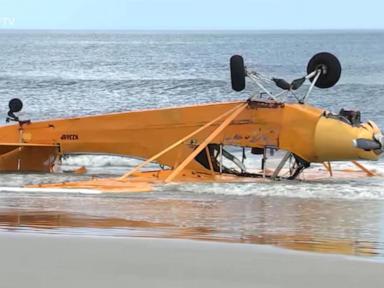
A sudden engine pop over New Smyrna Beach instantly turned a quiet Thursday morning into an emergency. A single-engine Piper aircraft towing an advertising banner lost power, dipped low over the coastline, and flipped upside down directly into the ocean surf. Witnesses watched in disbelief as the fuselage slammed into the shallow water just offshore. Thankfully, local lifeguards reacted instantly, sprinting and swimming out to pull the unhurt pilot from the submerged wreckage before it sank completely.
If you spend enough time looking at coastal aviation history, you realize this isn't an isolated mishap. It is part of a recurring pattern that haunts the aerial advertising industry year after year.
The Hidden Dangers of Low-Altitude Aerial Advertising
Flying a banner plane looks glamorous to beachgoers, but pilots know it is grueling, high-risk work. You are flying vintage aircraft—often trusted Piper PA-18 Super Cubs—straining under the heavy aerodynamic drag of a massive fabric sign.
When an engine fails at five hundred feet over a populated coastline, your options evaporate in seconds. You don't have altitude to trade for airspeed, and you don't have time to troubleshoot complex checklists.
The mechanics of banner towing create unique hazards:
- Immediate Drag: Dropping power means the heavy banner acts like a sea anchor, dragging the nose down instantly.
- Low Altitude Constraints: There is virtually zero margin for error during coastal runs.
- Saltwater Environment: Emergency water landings flip light aircraft with alarming regularity once the main gear hits the braking action of breaking waves.
A Familiar Script on Florida Shores
Volusia County has seen this exact movie before. Similar banner-towing ditching incidents happened near Ponce Inlet and local municipal airports over recent summers. Back in August 2024, another pilot fought engine surges before managing to put a stricken tow plane down near a sandbar.
Coastlines are magnets for these forced landings because pilots actively aim for open water or wide beaches to protect people on the ground. Striking the surf is terrifying, but it beats dropping a crippled aircraft onto crowded towel-lined sands or beachfront developments. Witnesses of the New Smyrna crash noted that the pilot handled a terrible situation with absolute composure, climbing out of the upside-down cockpit on his own power.
What Happens Next With Federal Investigations
The Federal Aviation Administration and the National Transportation Safety Board have launched standard inquiries to determine the exact mechanical failure behind the engine cut. Investigators will pull maintenance logs, inspect the fuel systems, and interview witnesses who heard that initial engine sputter.
Commercial banner operations require strict FAA certificates of waiver, mandatory 100-hour safety inspections, and rigorous pilot proficiency demonstrations. Even with these safeguards, old engines fail and mechanical components wear out under the constant stress of hauling heavy advertisements through humid coastal air.
Next time you look up at a flying billboard advertising local beach bars or injury lawyers, remember the tightrope walk happening up top. Stay aware of your surroundings when visiting coastal hotspots, respect the dangers pilots face, and appreciate the quick-thinking lifeguards who turn potential tragedies into stories of survival.