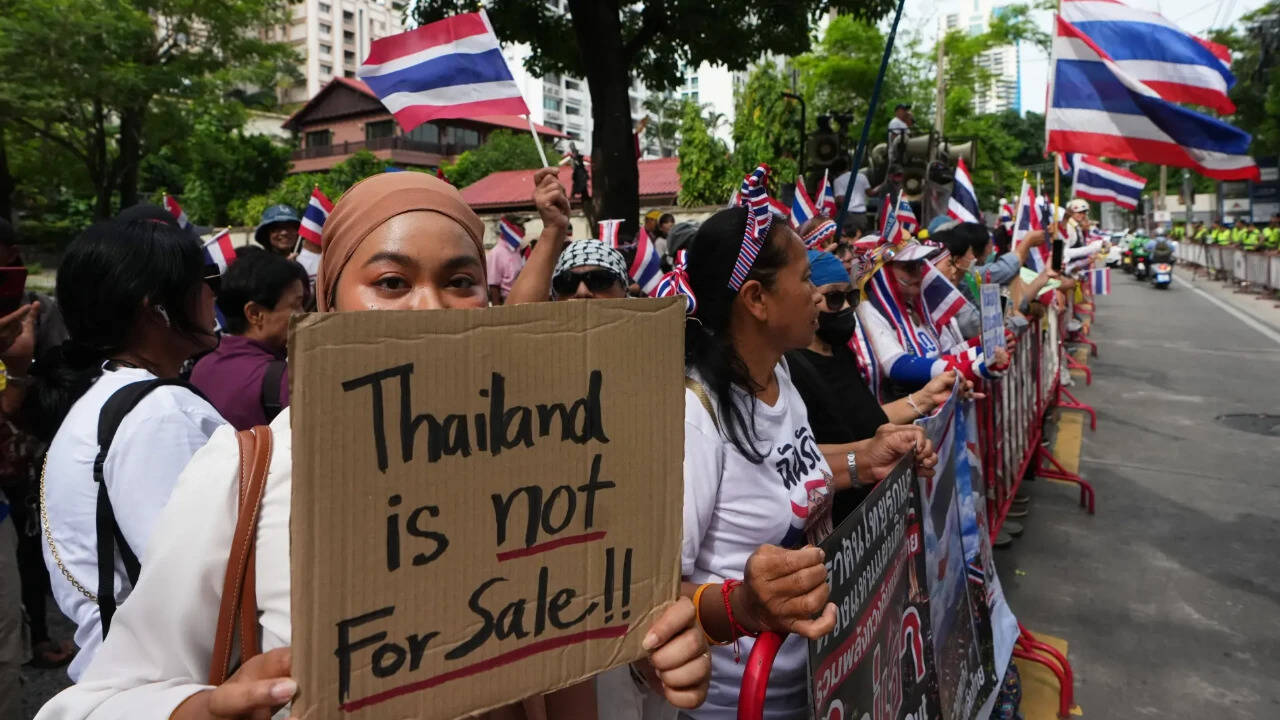
Hundreds of demonstrators gathered outside Ocean Tower II on Sukhumvit 21 in Bangkok, carrying placards that carried a blunt message: hospitality isn't an open invitation to break local rules.
Led by veteran political activist Sondhi Limthongkul, the crowd targeted the Israeli embassy with a specific set of grievances ranging from property acquisition methods to disruptive public behavior. If you think Thailand's legendary tolerance for tourists means anything goes, this rally marks a clear shift in the national mood.
The Core Grievances Behind the Demonstration
Tensions didn't bubble up overnight. The protest follows a string of high-profile incidents involving foreign nationals testing local patience. Organizers focused heavily on two main issues: property ownership laws and cultural respect.
Foreigners cannot easily own land in Thailand outright. Thai law sets strict limits, yet critics argue that nominee businesses and complex corporate structures are being exploited to bypass these restrictions. Specific concerns were raised regarding land acquisitions in provinces like Chachoengsao, alongside questions surrounding the local operations of Chabad centers.
Protesters also handed an open letter to embassy representatives demanding concrete oversight rather than empty diplomatic handshakes. They want authorities to ensure foreign visitors stop flouting domestic laws and treating local customs as optional guidelines.
Why Bangkok is Drawing a Hard Line Right Now
Tourism drives a massive chunk of the Thai economy, but officials are realizing that unmanaged visitor behavior carries a heavy social cost. More than 277,000 Israeli tourists entered the country in the first eight months of the year alone, representing a noticeable uptick from previous years.
When tourism surges, friction follows. Recent enforcement actions highlight the changing political climate. Prime Minister Anutin Charnvirakul recently ordered the deportation of an Israeli national convicted of threatening a zoo owner on Koh Samui. That specific case triggered broad public attention because the zoo had displayed a Palestinian flag, turning a local dispute into an international flashpoint.
Thailand's foreign ministry has made it clear that friendly borders do not equal a lawless playground. Foreign Minister Sihasak Phuangketkeow noted that while the kingdom welcomes global travelers, tolerance has limits.
The Diplomatic Fallout and Official Responses
Embassy officials reacted quickly to the mounting pressure. Israeli Ambassador Alona Fisher-Kamm met with Thai leadership to address the complaints, proposing a formal "do's and don'ts" guide for travelers heading to Southeast Asia. The goal is to get ahead of cultural misunderstandings before they translate into legal trouble or public protests.
At the same time, community groups named in the petitions, such as Chabad of Thailand, face intense scrutiny regarding their community footprint and institutional expansion.
For anyone living abroad or planning an extended stay in the country, the message is simple. Respect local sovereignty, navigate property rules through legitimate legal channels, and remember that public disturbances carry swift penalties under newly tightened immigration laws.
Inside the Dispute Driving a Protest Outside Israel's Bangkok Embassy
This video provides an on-the-ground look at the demonstrations outside the embassy and breaks down the core property and tourism disputes fueling the tension.