Ditch the bagged salad kits for now. Seriously. If you live in Michigan or anywhere in the Midwest, your crisp, convenient weeknight salad might actually be harboring a microscopic nightmare that causes weeks of explosive diarrhea.
Michigan health officials just flagged lettuce and salad greens as the primary suspects behind a massive outbreak of cyclosporiasis. This isn't your typical 24-hour stomach bug. It's a parasitic infection that takes up residence in your small intestine and refuses to leave without heavy-duty antibiotics.
The numbers are genuinely alarming. Michigan usually sees about 40 to 50 cases of this infection in an entire year. Right now? The state has confirmed a staggering 2,640 cases. The surge is so intense that local food chains, including some Michigan Taco Bell locations, have quietly pulled lettuce and cilantro from their menus entirely to protect customers.
The Parasite That Washing Can't Fix
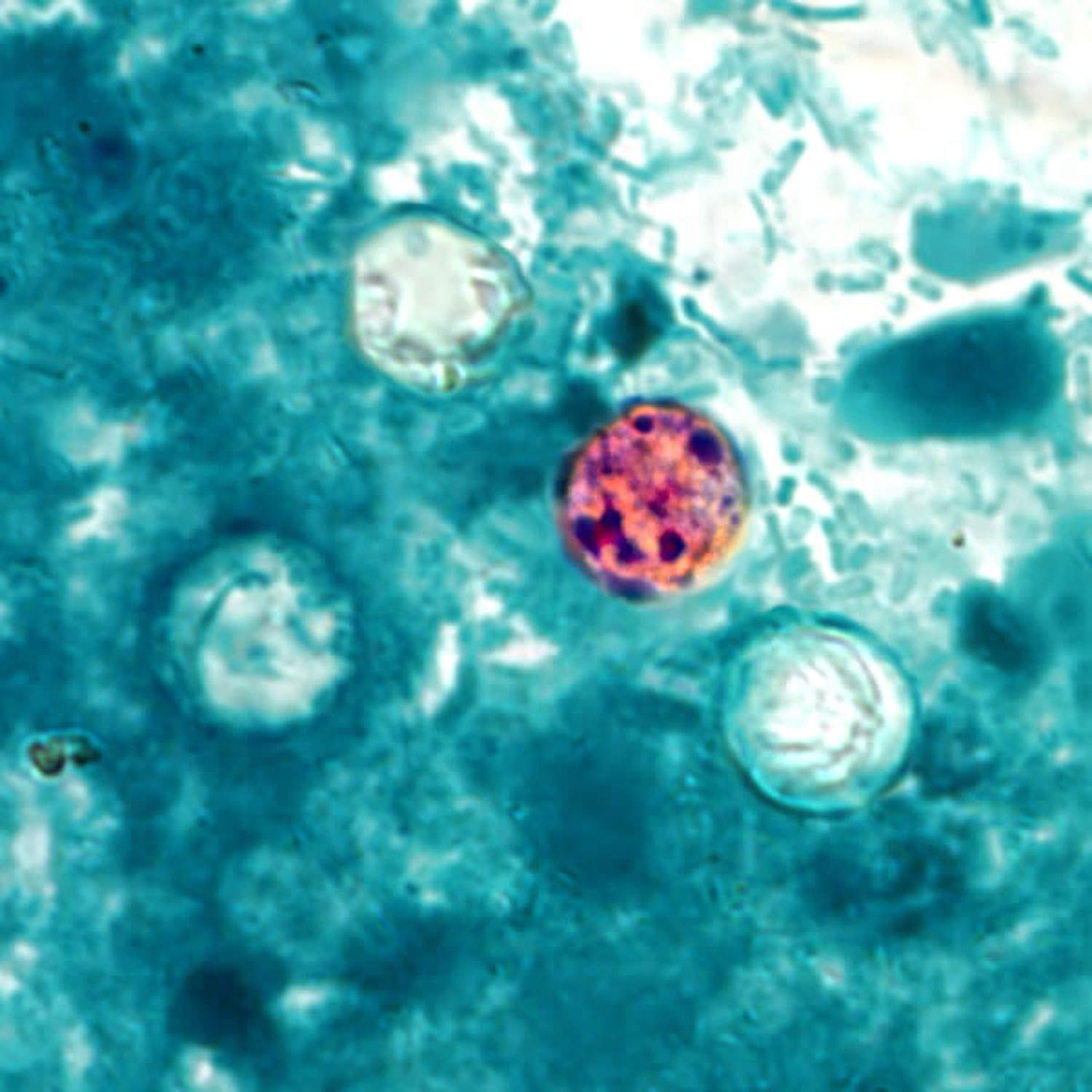
The culprit is a microscopic parasite called Cyclospora cayetanensis. You don't catch it from a sneezing coworker. You get it by swallowing food or water contaminated with microscopic traces of feces.
Here's the problem most people don't realize: chemical sanitizers and standard veggie washes don't do jack against Cyclospora. The parasite has a tough outer shell that makes it incredibly resilient. If a piece of romaine is contaminated, scrubbing it under the tap might lower the dose, but it won't guarantee safety.
The Michigan Department of Health and Human Services (MDHHS) hasn't pinned down a specific grower or grocery brand yet. Produce supply chains are dizzyingly complex. A single batch of greens might be grown in one state, chopped in another, blended into kits, and shipped to fifty different grocery chains. That's why health officials are issuing a blanket warning about all pre-washed, bagged salad greens.
Why Bagged Greens Are the Perfect Vehicle
Pre-washed salad mixes are incredibly convenient, but they're an absolute nightmare for food safety during an outbreak. Think about how they're made. Huge batches of leaves from multiple farms are dumped into massive commercial washing systems, chopped up, and mixed together. If just one farm has a contaminated field, the processing water can easily spread that parasite across thousands of bags of salad.
Furthermore, tracking this specific parasite is a logistical mess. Cyclospora has an incubation period of up to two weeks. By the time you start experiencing severe stomach cramps and watery diarrhea, you probably can't remember what you ate two Tuesdays ago. Epidemiologists have to interview thousands of sick patients to find the common thread, creating massive delays in pinning down the exact source.
Symptoms That Last for Weeks
If you think you can just tough this out like a mild case of food poisoning, think again. Cyclospora causes prolonged, frequent, and often explosive diarrhea that can persist for weeks, or even a month, if left untreated.
- Frequent, watery bowel movements
- Severe stomach cramps and intense bloating
- Loss of appetite and rapid weight loss
- Extreme fatigue and low-grade fever
Because the symptoms can come and go in waves, people often think they're recovering, only to get slammed again a few days later. If you've been dealing with a sudden, relentless stomach issue this summer, don't sit around waiting for it to clear up. Head to a doctor and explicitly ask for a gastrointestinal PCR panel that tests for Cyclospora, because standard routine stool tests often miss it. If you're positive, a specific course of targeted antibiotics will clear it up quickly.
Real Steps to Protect Your Kitchen
You don't have to give up fresh produce entirely, but you absolutely need to change how you buy and prepare it until this outbreak clears up.
Buy Whole Heads Instead of Bags
Stop buying pre-cut, bagged salad kits. Buy whole heads of lettuce instead. When you get home, strip off and throw away the outer three layers of leaves entirely. The inner leaves are far less likely to have faced direct environmental contamination. Wash those remaining inner leaves thoroughly under cold running water.
Watch the Accompanying Garnishes
Lettuce isn't the only risk factor here. Previous major outbreaks have been tied to fresh cilantro, basil, green onions, and snow peas. If you're using these ingredients raw, you're taking a gamble. Trim the roots and outer layers of green onions, and scrub the surfaces of snow peas vigorously under a running tap.
Heat Is the Only Real Kill Step
If you want 100% certainty, you have to cook your food. Heating produce to at least 158°F (70°C) completely kills the Cyclospora parasite. Sauté your spinach, cook your snow peas, and consider skipping raw garnishes on your takeout food for the next few weeks.
Skip Problematic Berries
Fresh raspberries are notorious for harboring Cyclospora because their bumpy, delicate surface is full of tiny crevices where microscopic parasites love to hide. Washing them rarely gets everything out. Either cook them down into a sauce or switch to frozen raspberries for your morning smoothies, as industrial freezing processes can help reduce the risk.