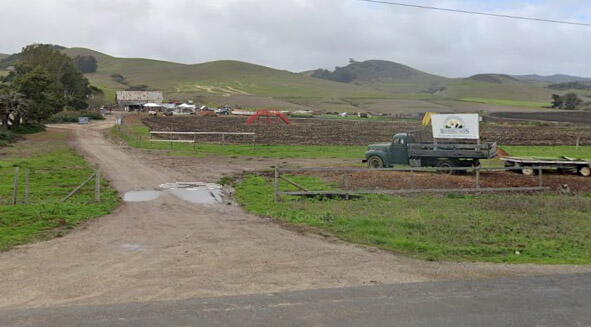
October smells like damp hay, crushed cedar, and warm cider. For millions of families across the country, the annual trip to a pumpkin patch is a non-negotiable rite of passage—a wholesome, sunlit afternoon spent wandering through dusty rows in flannel shirts, lifting heavy orange gourds into wooden wagons, and posing for photographs beside stacks of straw bales. Nobody walks into a farm stand thinking about microscopic pathogens. Nobody looks at a smiling child holding a baby goat and sees a biological vector.
Yet in California, that exact autumn ritual quietly fractured into tragedy.
Health officials confirmed a severe outbreak of Escherichia coli—commonly known as E. coli—linked directly to a California pumpkin farm. The toll was swift and devastating. Dozens of visitors fell violently ill, children were rushed into pediatric intensive care units, and at least one person lost their life. The headline on the evening news was dry, clinical, and brief: one dead in an E. coli outbreak tied to a local agritourism destination. Within forty-eight hours, the public moved on to the next news cycle.
They shouldn't have. Because behind that sterile public health bulletin lies an invisible vulnerability built into the very way we experience modern farming, and a pathogen that does not care how idyllic the scenery looks.
The Architecture of an Outbreak
To understand how an afternoon of fall festivities turns lethal, consider a hypothetical family—let us call them the Millers—visiting a sprawling agricultural attraction on a crisp Saturday morning. None of their specific names appear in state epidemiology reports, yet their exact trajectory mirrors the documented path of countless outbreak victims across California and the broader United States.
Maya Miller, age six, spends twenty minutes in the petting zoo. She presses her palms against a wooden fence rail, scratches the coarse wool of a sheep, and drops her pacifier onto the packed dirt before popping it back into her mouth. Ten yards away, her father buys a gallon of unpasteurized apple cider pressed on-site, alongside a bag of heirloom pumpkins pulled straight from a field irrigated by an open-air canal. Before getting back into the minivan, the family wipes their hands with a single scented wet wipe—a gesture that feels hygienic, smells like lemon, and does virtually nothing against enteric bacteria.
Three days later, Maya wakes up with abdominal cramps so sharp she cannot stand upright.
What happens next is a textbook biological ambush. Most strains of E. coli live harmlessly inside the intestines of healthy humans and animals, aiding digestion. The culprit in severe farm outbreaks, however, is almost always Shiga toxin-producing E. coli—most notoriously the strain labeled O157:H7. Think of regular gut bacteria as quiet neighbors who keep the neighborhood running. Shiga toxin-producing E. coli is an armed intruder carrying a chemical weapon.
Once swallowed, the bacteria survive the acidic bath of the human stomach and anchor themselves to the lining of the colon. There, they begin multiplying and releasing Shiga toxin directly into the bloodstream. The toxin acts like microscopic shrapnel, shredding the delicate endothelial cells that line small blood vessels. In the digestive tract, this destruction triggers severe, bloody diarrhea and agonizing intestinal spasms.
For roughly five to ten percent of infected patients—predominantly young children under five and older adults—the ambush escalates into something far worse: hemolytic uremic syndrome, or HUS.
When the Kidneys Shut Down
I have watched someone go through severe foodborne kidney failure, and the speed with which the body turns on itself is terrifying. It does not look like a standard stomach flu. A stomach flu makes you miserable for forty-eight hours and then recedes like a passing storm. HUS is a slow-motion collapse.
As Shiga toxin circulates through the bloodstream, it destroys red blood cells faster than the bone marrow can replace them, causing acute anemia that leaves a child's skin looking translucent and gray. Simultaneously, platelets—the tiny cell fragments responsible for clotting blood—clump together abnormally and clog the microscopic filtering units of the kidneys. Urine output slows to a trickle, then stops entirely. Fluid backs up into the lungs and brain. Blood pressure spikes to dangerous levels.
In the hospital room, the air smells of antiseptic and quiet panic. Parents sit beside dialysis machines that hum rhythmically as they perform the work their child's kidneys can no longer do. Doctors face a cruel clinical paradox: administering standard antibiotics to kill the E. coli bacteria actually makes the situation worse. When the bacteria die en masse, they rupture and release a massive final surge of Shiga toxin into the bloodstream, dramatically increasing the risk of fatal kidney failure or stroke. Physicians can only offer supportive care—intravenous fluids, blood transfusions, dialysis—and wait to see if the patient's body survives the storm.
Sometimes, even with world-class medical intervention, the body does not survive. That is how a single statistic—"one dead"—comes into being. It is never a sudden, painless fade. It is days of escalating organ failure triggered by swallowing as few as ten microscopic bacterial cells.
Why Pumpkin Farms Are Biological Crossroads
When news breaks of an E. coli outbreak at a pumpkin patch, the immediate public assumption is that someone ate a tainted pumpkin. In reality, pumpkins themselves are rarely the primary villain. Nobody eats raw pumpkin flesh in the middle of a field. Instead, the pumpkin farm acts as an ecological crossroads where agriculture, livestock, water, and thousands of urban visitors collide without the sterile barriers of a commercial grocery supply chain.
Consider the mechanics of an agritourism operation in California's Central Valley or coastal agricultural corridors. To survive financially, working farms have transformed themselves into seasonal entertainment venues. Corn mazes, hayrides, petting zoos, pony rides, and farm-to-table snack stands now sit side by side with active crop fields and livestock pastures.
Cattle, sheep, and goats are natural reservoirs for Shiga toxin-producing E. coli. They carry the bacteria in their digestive tracts without showing a single symptom of illness. They look healthy, clean, and docile. Yet every time an animal defecates, millions of pathogenic bacteria enter the surrounding soil and dust.
In dry California autumn weather, wind lifts that contaminated dust into the air, settling onto wooden fences, hay bales, picnic tables, and the outer rinds of pumpkins sitting in the dirt. If heavy rain falls, runoff from livestock pens can seep into irrigation ditches or shallow wells used to water adjacent fields and wash produce.
Visitors arrive expecting the sanitized safety of a theme park, unaware they are walking through an active microbial ecosystem. A toddler touches a goat's coat, then eats a caramel apple with unwashed hands. A parent lifts a muddy pumpkin into the trunk of a car, sets their purse or diaper bag next to it, and later unpacks snacks onto the kitchen counter. Unpasteurized cider pressed from windfall apples—fruit gathered off the ground where deer or cattle may have grazed—carries the bacteria straight into a plastic cup.
Epidemiologists at the Centers for Disease Control and Prevention have tracked this exact pattern for decades. Outbreaks tied to petting zoos, county fairs, and seasonal farms surge every autumn with clockwork predictability. Yet because these venues operate in a gray zone between agricultural production and public recreation, safety oversight often lags behind commercial food processing plants.
The Myth of the Hand Sanitizer Bottle
Ask any parent leaving a farm stand how they protected their kids, and nine times out of ten they will pull a travel-sized bottle of alcohol-based hand sanitizer from their pocket. We have been conditioned to treat clear gel as an invisible force field against disease.
On a farm, that force field fails.
Alcohol-based sanitizers work wonderfully against enveloped viruses and clean-skin bacteria in hospitals or offices. However, alcohol cannot penetrate organic matter—dirt, mud, manure dust, or dried animal saliva. When you rub sanitizer onto dusty hands after petting a goat or picking up a pumpkin, the alcohol evaporates off the outer layer of grime while leaving live E. coli bacteria insulated underneath, completely intact.
Only vigorous scrubbing with running water, liquid soap, and friction physically lifts organic debris and bacteria off the skin and flushes them down a drain. Yet many seasonal pumpkin farms rely on portable toilets equipped with wall-mounted sanitizer dispensers rather than plumbed handwashing stations with warm running water and paper towels. When thousands of families cycle through a farm on a peak October weekend, inadequate washing infrastructure turns a minor hygiene lapse into a community-wide outbreak.
The Symptoms You Cannot Afford to Ignore
Part of what makes E. coli outbreaks so insidious is the incubation window. Unlike staphylococcal food poisoning, which hits within hours of eating bad potato salad, Shiga toxin-producing E. coli lurks silently for three to four days—and occasionally up to ten days—after exposure. By the time a child starts vomiting or clutching their stomach on a Tuesday night, the weekend trip to the pumpkin patch feels like a distant, unrelated memory.
Parents often treat the early stages with over-the-counter anti-diarrheal medications like loperamide or bismuth subsalicylate, trying to help a miserable child get through the night. That instinct can be dangerous. Slowing down the digestive tract traps the bacteria and their toxins inside the colon longer, giving the body more time to absorb Shiga toxin into the bloodstream.
Medical professionals urge families to watch for specific red flags following any farm visit, livestock contact, or consumption of unpasteurized farm beverages:
- Sudden, severe abdominal cramping accompanied by watery diarrhea that transitions into visibly bloody stools within twenty-four to forty-eight hours.
- Low-grade or absent fever, which often tricks parents into thinking the illness is mild even as intestinal damage accelerates.
- Signs of early hemolytic uremic syndrome, including decreased urination, dark tea-colored urine, unusual paleness inside the lower eyelids, unexplained bruising, or extreme lethargy and irritability.
Seeking immediate medical evaluation—and explicitly telling the doctor about recent farm or animal exposure—allows clinicians to run targeted stool cultures and monitor kidney function before irreversible damage sets in.
Reclaiming the Tradition Safely
None of this means families should abandon local farms or lock children indoors every October. Agritourism sustains small family farmers, connects children to where their food grows, and preserves traditions worth keeping. The goal is not fear; it is clear-eyed awareness. We respect the ocean by watching for riptides without refusing to visit the beach. We should treat working farms with the same grounded respect.
Before stepping onto any farm property with children, inspect the exit of the animal area first. Look for dedicated handwashing sinks with running water, soap dispensers, and single-use paper towels—not just sanitizer pumps. If the farm lacks proper washing stations, bring a gallon jug of tap water, liquid soap, and a roll of paper towels in the trunk of your car so everyone can scrub thoroughly before touching food or buckling seatbelts.
Keep pacifiers, sippy cups, snacks, and strollers completely outside animal enclosures. Supervise young children closely so hands stay away from mouths until they are washed. When buying fresh apple cider, apple juice, or farmstead cheeses at a roadside stand, check the label to confirm the product has been pasteurized; if it is unpasteurized, boil it at home before serving it to children, pregnant women, or older adults. And treat every pumpkin brought home from a field as raw agricultural produce—wash the exterior rind with water and a brush before bringing it onto kitchen counters or carving it with household knives.
Out on the highway leading away from California's agricultural valleys, the autumn sun still drops low behind the orchards, casting long golden shadows across rows of harvested vines and bright orange fields. Families will return next weekend, cameras ready, eager to capture another fleeting season of childhood. The difference between a cherished memory and an empty chair at the dinner table often comes down to thirty seconds at a sink with soap and water—a quiet, unglamorous pause between the pasture and the car door.