Thesis Statement
The escalation model employed by Iran in the Persian Gulf operates as an asymmetric attrition function designed to convert tactical maritime disruptions into exponential regional economic liability. By executing coordinated drone and missile strikes against forward U.S. base locations in Bahrain and Kuwait alongside interdiction actions in the Strait of Hormuz, Iranian forces are targeting the operational cost threshold of Western military presence and regional infrastructure rather than pursuing direct kinetic parity.
Strategic Framing: The Three Pillars of Asymmetric Pressure
Tehran’s operational framework relies on a multi-domain deterrence mechanism structured across three distinct operational layers:
- Layer 1: Forward-Deployed Base Interdiction: Targeting U.S. logistics and command infrastructure across Gulf Cooperation Council (GCC) host states—specifically Naval Support Activity Bahrain and bases in Kuwait—to test host-nation air defense capacities and raise the political friction of hosting coalition forces.
- Layer 2: Chokepoint Maritime Neutralization: Imposing selective physical and psychological risk on commercial shipping through targeted interdictions and anti-ship weapon strikes within the Strait of Hormuz.
- Layer 3: Critical Infrastructure Retaliation: Striking regional dual-use nodes, such as energy, power, and desalination infrastructure, to directly link Western military engagement with domestic resource instability inside allied Gulf states.
Maritime Chokepoints and the Shipping Cost Function
The Strait of Hormuz represents a structural vulnerability in global energy logistics. Approximately 20% of global petroleum liquids pass through this narrow waterway daily. The mechanics of maritime interdiction do not require a complete naval blockade to achieve strategic paralysis. Instead, the strategy relies on altering the baseline financial variables of international trade:
Total Shipping Risk Cost = Base Freight Rate + War Risk Insurance Premium + Operational Delay Surcharge
When Iranian forces interdict commercial vessels or launch anti-ship projectiles, the primary strategic transmission mechanism is financial rather than purely naval. Maritime insurance underwriters respond to kinetic incidents by escalating War Risk Breach Premiums from fractional percentage rates to prohibitive percentages of hull value, or by outright revoking coverage for transiting tankers.
This creates a severe operational bottleneck. Shipowners anchor tonnage outside the Gulf of Oman rather than risk uninsured asset losses. Consequently, effective daily throughput drops significantly without requiring the permanent sinkings of large numbers of vessels.
Regional Infrastructure as Friction Points
The expansion of drone and missile trajectories toward target footprints in Kuwait and Bahrain exposes a critical defense asymmetry. Modern layered air defense systems (such as Patriot and NASAMS batteries) operate on severe cost-and-inventory disparities.
Cost Exchange Ratio = Interceptor Unit Cost / Attacking One-Way Attack Drone Cost
Launching high-value surface-to-air missiles to neutralize low-cost, mass-produced unmanned aerial vehicles (UAVs) or loitering munitions causes rapid interceptor inventory drawdown. Furthermore, when attacks target dual-use municipal assets—such as power and seawater desalination plants—host governments face compounding domestic utility operational crises. Because these desert nations rely almost exclusively on desalted water for municipal supply, sustained targeting of industrial utilities introduces localized civil instability, shifting the operational focus of host nations from military coalition support to domestic crisis containment.
The Divergence of Tactical Superiority and Strategic Outcomes
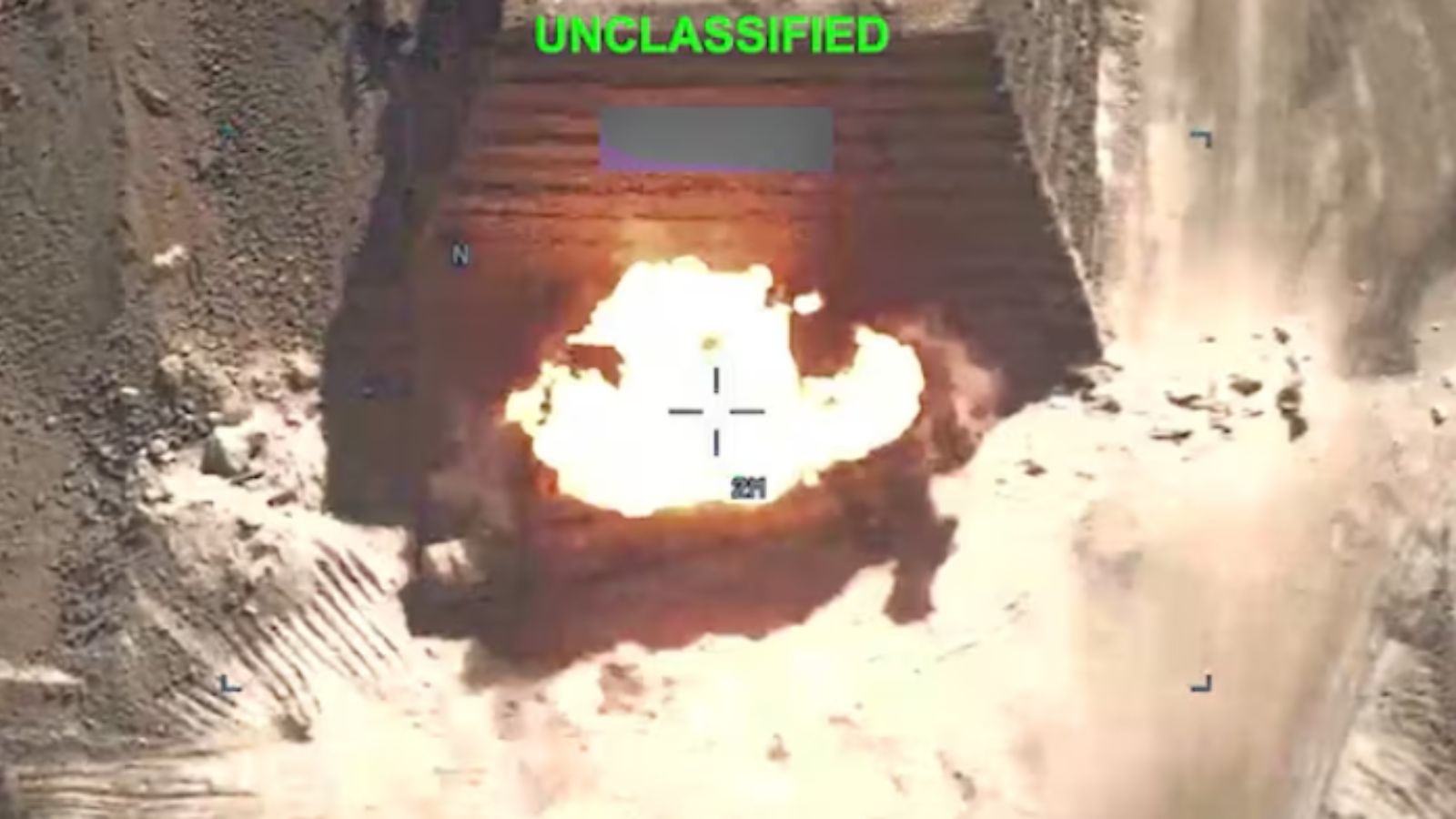
A fundamental mismatch exists between tactical success and strategic resolution in this theater. Western forces can maintain air dominance and execute repeated strike cycles against launch sites, command nodes, and coastal radar arrays. However, tactical suppression fails to achieve strategic closure due to three distinct mechanics:
- Dispersed and Mobile Launch Architecture: Transporter Erector Launchers (TELs) and small UAV launching rails are highly mobile, easily hidden in rugged terrain, and rapid to deploy, making complete suppression extremely resource-intensive.
- Cascading Economic Externalities: Commercial shipping markets react to the persistent threat of force rather than the absolute destruction of military assets. Even successful interception rates above 90% leave a residual threat margin sufficient to disrupt commercial maritime transit.
- Host-Nation Political Friction: Persistent baseline risk increases pressure on GCC leadership to negotiate sovereign de-escalation pathways independently, straining alliance cohesion.
Tactical Execution Framework
Navigating or mitigating this conflict posture requires structural adjustments by energy importers, regional states, and maritime operators.
For Global Energy Importers
To hedge against sudden Hormuz supply contractions, energy procurement strategies must transition from just-in-time delivery models to structural buffer capacity:
- Activate Strategic Petroleum Reserve (SPR) drawdown mechanisms immediately upon transit volumes dropping below defined baseline thresholds.
- Reroute East-West crude allocations through overland pipeline bypass networks where operational capacity exists (e.g., cross-peninsular Saudi East-West Pipeline networks to Red Sea terminals).
For Commercial Maritime Operators
- Implement real-time risk assessment thresholds that dynamically link hull insurance rates directly to transit decisions.
- Utilize convoy grouping under specific naval escort protocols when operating within direct line-of-sight range of coastal strike corridors.
For Regional Defense Planners
- Transition from high-cost interceptor reliance to integrated point-defense systems, directed-energy capabilities, and electronic warfare soft-kill systems to address low-cost aerial threats without exhausting high-tier magazine capacity.
- Harden civil critical infrastructure—specifically power generation nodes and water desalination intakes—against low-altitude radar-evading munitions.
Operational Outlook
The trajectory of this operational environment points toward prolonged structural volatility rather than a swift decisive end. If strategic strikes fail to completely neutralize mobile launching capabilities, the conflict will remain locked in a high-attrition equilibrium. Global energy markets will continue to price in an elevated security premium, while regional states will increasingly seek diplomatic mediation channels to de-escalate kinetic exchange cycles that threaten critical domestic infrastructure. Victory in this domain is not measured by territorial capture, but by the relative endurance of economic systems under persistent asymmetric stress.