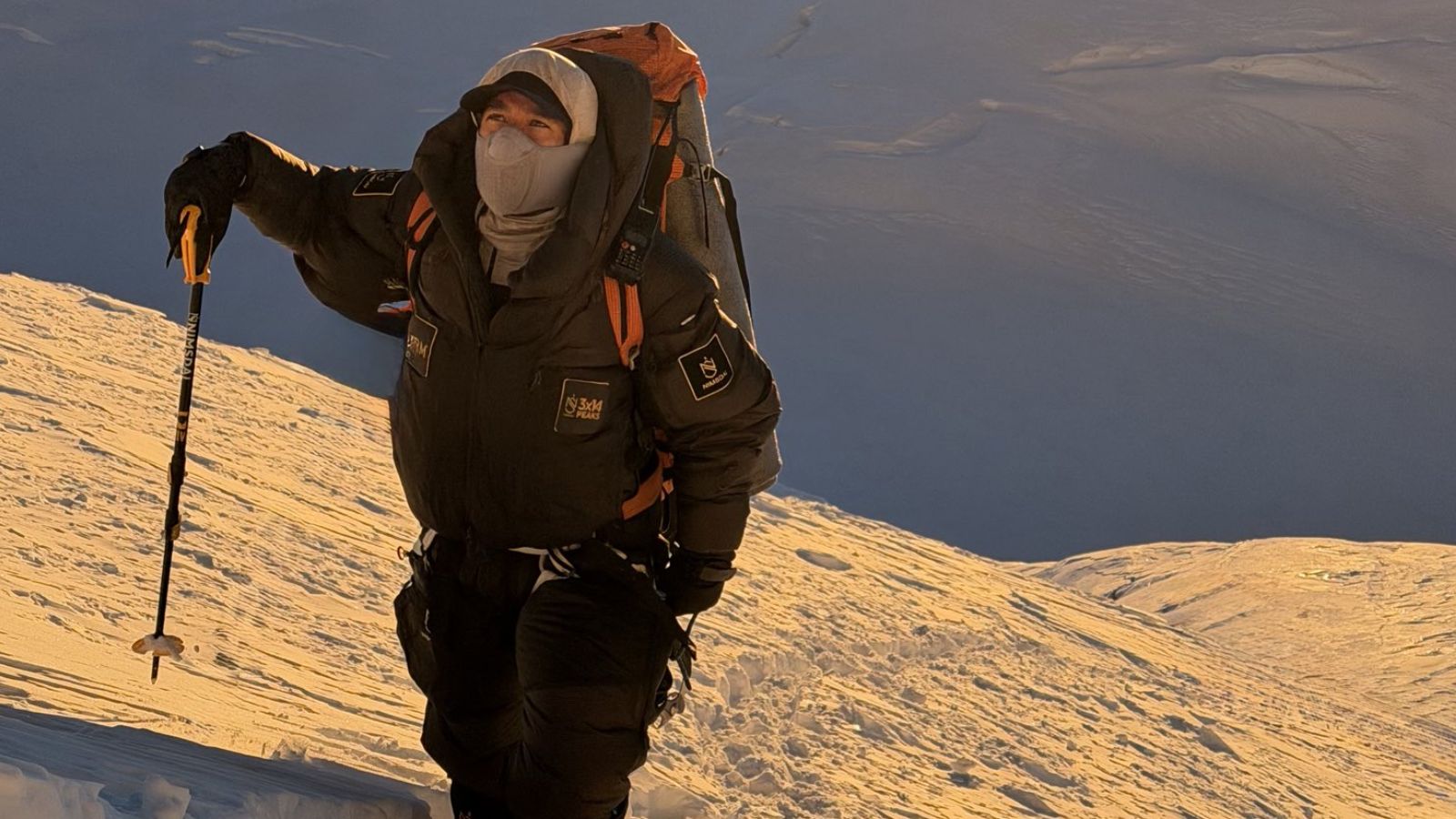
The roar of a packed stadium can turn into a harsh silence remarkably fast. Arshad Nadeem found that out the hard way at Scotstoun Stadium during the men's javelin final.
Arshad Nadeem crashed out of the 2026 Commonwealth Games in Glasgow after failing to crack the top eight. For a man who once electrified the world with a record-shattering 92.97-meter throw at the Paris Olympics, a best effort of 77.41 meters isn't just an off day. It's a complete structural breakdown. Fans and analysts aren't just questioning his form anymore; they're looking closely at the administrative mess happening behind the scenes.
What Actually Went Wrong in Glasgow
If you watched the competition unfold, you saw a shadow of the athlete who conquered Birmingham in 2022 with a massive 90.18-meter throw. Nadeem opened with a foul. His second attempt crawled to 77.41 meters. His third and final recorded throw registered a dismal 75.39 meters.
Nadeem ended up finishing ninth. He missed out on the final three rounds entirely while Sri Lanka's Rumesh Tharanga Pathirage claimed gold with an 89.75-meter throw, followed by India's Neeraj Chopra taking silver at 85.83 meters.
You can't blame this entirely on a sudden loss of talent. Elite sports don't work that way. When an Olympic champion misses the mark this badly, you have to look at preparation, fitness, and management.
The Support System Disconnect
Before his historic gold in Paris, Nadeem relied on a carefully curated private support system. That team included South African coach Terseus Liebenberg, England-based orthopedic surgeon Dr. Ali Sher Bajwa, and local coach Salman Butt, alongside coordination from the Athletics Federation of Pakistan.
Everything changed after Paris. The Pakistan Sports Board stepped in to take direct administrative control, effectively sidelining the specialized framework that guided him to the top. Dr. Ali Sher Bajwa openly admitted to media outlets after the Glasgow exit that he hadn't worked with Nadeem this year.
When you tinker with a winning formula just because bureaucracy demands control, performance drops. Athletes need stability, physical therapists who know their specific injury history, and coaches they trust implicitly. Stripping those elements away leaves champions vulnerable.
Physical Toll and Mounting Pressure
Nadeem hasn't looked entirely healthy since his Olympic triumph. He underwent surgery prior to the World Athletics Championships last year, battling chronic fitness issues that have severely limited his training volume.
Throwing a javelin past 90 meters requires explosive power from the core, shoulders, and knees. If your body isn't fully conditioned, your technique collapses under pressure. In Glasgow, you could see it in his run-up. His rhythm was hesitant, and his body language screamed discomfort.
Critics online are quick to write him off, but sports history is full of champions who stumbled before finding their footing again. The real test isn't whether Nadeem faced criticism—it's how he restructures his team before the upcoming Asian Games and the long road toward defending his title at the 2028 Los Angeles Olympics.
Fixing the administrative fractures between national sports bodies and elite athletes is the only way forward. Until the authorities let professionals manage professional athletes, results in international arenas will keep disappointing everyone back home.