The Arctic is heating up, and diplomats have finally put ink to paper. Washington, Copenhagen, and Nuuk recently locked in a trilateral security pact that changes the strategic equation in the High North. Forget the breathless media hot takes about sudden territory grabs. The reality on the ground is a calculated upgrade to Cold War-era architecture, designed to keep rival superpowers out and missile defense systems moving forward.
If you look past the political posturing, the core of this September 2026 agreement is about locking down critical geography. It builds directly upon the aging 1951 defense framework while expanding American military access in very specific ways. Let's break down what actually changed, why it matters right now, and what both sides managed to secure behind closed doors.
Expanding the Footprint at Pituffik and Beyond
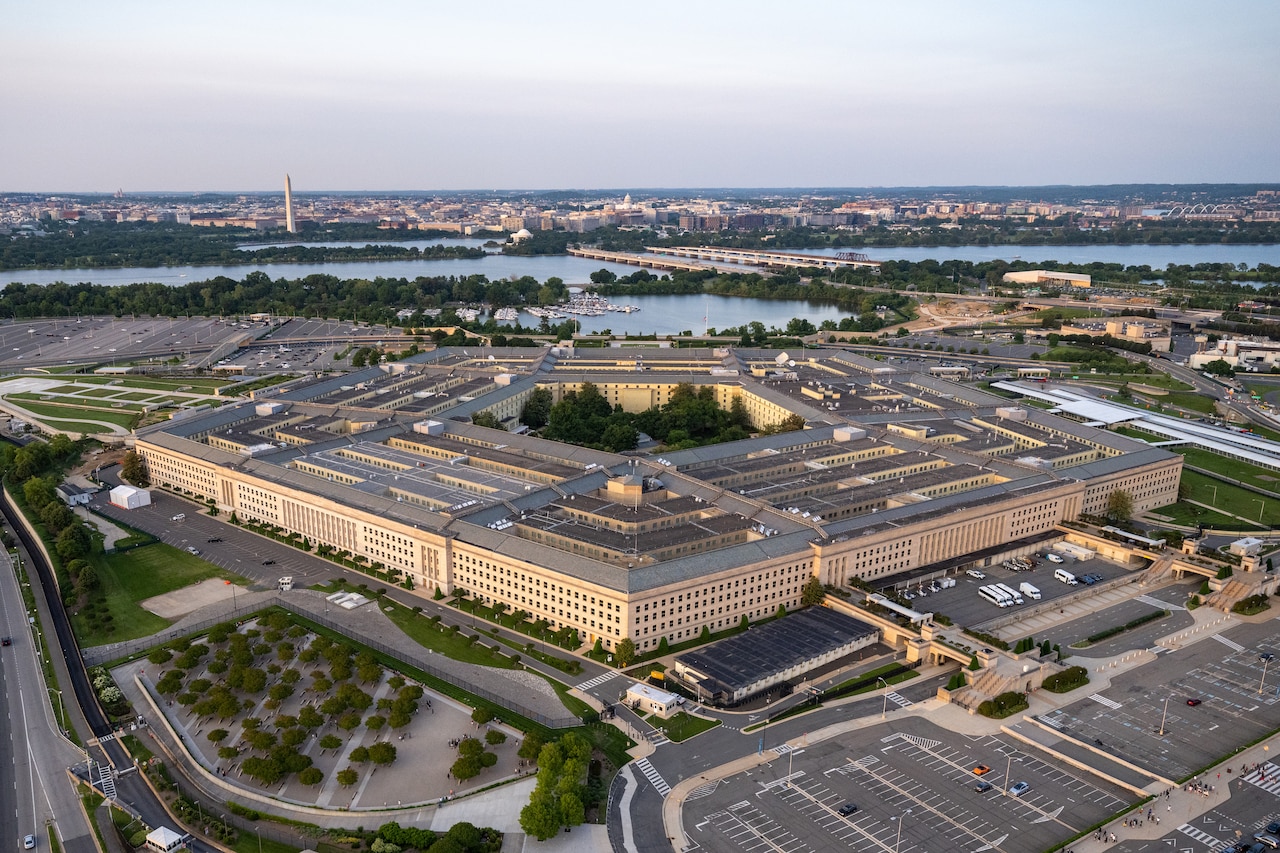
The most immediate physical impact of the new treaty centers on military infrastructure. For decades, the anchor of American presence on the island has been the Pituffik Space Base, formerly known as Thule Air Base. Under the updated terms, the United States is cleared to modernize and significantly expand its footprint there.
Beyond Pituffik, the agreement establishes two brand-new defense areas at Narsarsuaq and Mestersvig, positioned strategically in southern and eastern Greenland. These locations give Washington greater flexibility for overflight, land access, and crucially, undersea movement through Greenlandic territorial waters.
Why does this matter? Because maritime routes are opening up as polar ice changes, creating shorter commercial and military paths between North America, Europe, and Asia. Controlling these choke points is basically non-negotiable for Pentagon planners tracking activity from near-peer competitors.
The Golden Dome and Keeping Adversaries Out
One of the most talked-about elements tied to the pact is the groundwork for the proposed "Golden Dome" missile defense system. While the legal text of the agreement does not spell out exact hardware specifications, its preamble explicitly highlights shared interests in implementing advanced defensive architecture.
To protect these assets, the treaty erects a strict geopolitical fence. Any non-NATO state is barred from building military installations or maintaining a persistent military presence on Greenland without unanimous consent from the US, Denmark, and Greenland.
Investment controls are just as tight. Foreign direct investment in sensitive sectors—like critical mineral extraction—is heavily restricted. Only entities from NATO members, NATO partners, or European Union nations get the green light. If an outside adversary wants to buy up land or mining rights near a strategic corridor, the door is effectively slammed shut.
Sovereignty Checks and the Independence Clause
Critics in Nuuk and Copenhagen worried the deal would trample local autonomy. Local leaders pushed back hard during negotiations to ensure self-determination wasn't sold out for a stack of defense memos.
The preamble explicitly reaffirms Danish sovereignty and acknowledges the right of the Greenlandic people to self-determination. Even more importantly for the long term, the treaty contains a clear continuity clause: if Greenland eventually votes to break away from Denmark and become a fully independent nation, this security agreement remains legally binding, and the new state stays anchored inside NATO.
Local contractors also scored a practical win. The agreement mandates that construction, goods, and services for these military sites must go to Greenlandic sources to the maximum extent possible. It’s a vital economic concession for a local economy trying to diversify away from traditional fishing.
Trust Deficits Beneath the Surface
Diplomacy rarely solves every underlying friction point. While leaders smiled for the cameras in New York when signing the deal, the path getting there was rocky. Coercive rhetoric and sudden tariff threats earlier in the cycle left a noticeable mark on European policymakers.
Senior officials in Nuuk openly noted that repairing damaged trust takes time, even when the final legal text satisfies strategic checkboxes. Opposition voices in Greenland's parliament have continued to debate whether the long-term commitments constrain future economic maneuvers or tie down an eventual independent government too rigidly.
Ultimately, the pact represents a pragmatic compromise. The US got the permanent security assurance it demanded without triggering an open rupture in the alliance, while Denmark and Greenland preserved their legal safeguards and institutional voice. The High North is officially entering a heavily fortified era, and the rules of the Arctic game are locked in for the foreseeable future.