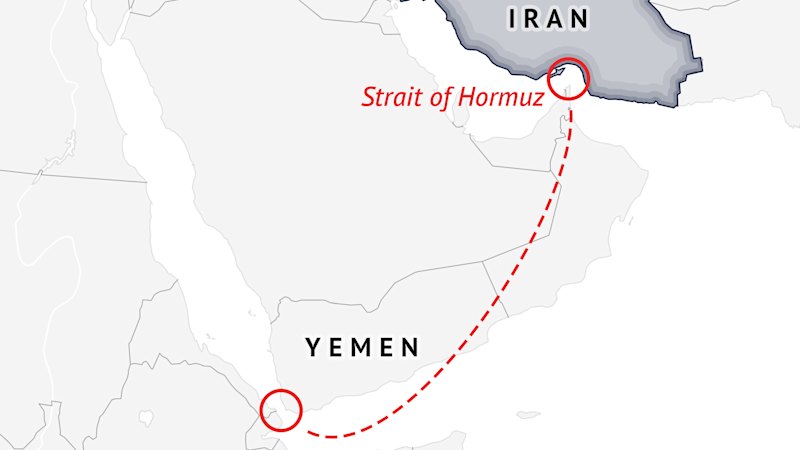
Tehran's asymmetric doctrine relies on a predictable variable: global maritime vulnerability. The strategic signaling from the Islamic Republic regarding the Bab el-Mandeb indicates a transition from localized maritime interdiction to a systemic dual-chokepoint containment strategy. By utilizing the Houthi movement in Yemen as an operational extension, Iran intends to establish a coordinated blockade spanning both the Strait of Hormuz and the southern gate of the Red Sea. This operational shift bypasses conventional naval engagement, exploiting the structural friction of global trade to neutralize Western conventional military superiority.
The strategic utility of this mechanism does not depend on permanent territorial control, but on the systematic elevation of risk premiums. To evaluate the viability and consequences of this dual-chokepoint strategy, the crisis must be separated into its component operational, economic, and escalatory layers.
The Mechanics of Asymmetric Maritime Denial
The operational framework relies on two distinct geographic choke points that govern different segments of global trade. The Strait of Hormuz acts as the primary exit vector for Persian Gulf hydrocarbons, while the Bab el-Mandeb controls the trade volume passing through the Suez Canal. Disruption at either location generates immediate cascading delays throughout global supply chains. Simultaneously applying pressure to both creates a compounding effect that overwhelms standard maritime mitigation strategies.
[Strait of Hormuz: Direct Iranian Action] ---> Hydrocarbon Export Interdiction
                                                                \
                                                                 ---> Systemic Global Trade Friction
                                                                /
[Bab el-Mandeb: Houthi Proxy Action]      ---> Container & Cargo Interdiction
This dual-chokepoint mechanism relies on specific asymmetric capabilities:
- Geographic Proximity and Topography: The Bab el-Mandeb is only 18 miles wide at its narrowest point. This restricted geography eliminates the open-ocean maneuvering space required by commercial shipping and naval escorts, concentrating targets within range of land-based systems.
- Low-Cost Precision Munitions: The deployment of anti-ship cruise missiles, one-way attack drones, and uncrewed surface vessels presents a highly asymmetric cost ratio. Intercepting a low-cost drone requires naval escorts to expend multi-million-dollar air defense missiles, creating an unsustainable inventory depletion rate for Western forces.
- Sub-Surface and Passive Hazards: The introduction of sea mines and commercial vessels repurposed for electronic intelligence allows for continuous surveillance and localized disruption without requiring a permanent naval presence.
This architecture distributes risk. While direct interdiction in the Strait of Hormuz exposes Iranian state assets to conventional retaliation, operations in the Bab el-Mandeb provide a layer of plausible deniability via the Houthi political bureau. This distribution forces Western planners to divide their reconnaissance and strike assets across two separate operational theaters located thousands of miles apart.
The Cost Function of Global Trade Diversion
Closing or severely restricting the Bab el-Mandeb forces global logistics managers to re-route traffic around the Cape of Good Hope. This diversion alters the cost and time variables of global trade, generating structural inflation across multiple sectors.
The primary impact manifests in the extension of transit times. A standard container voyage from South Asia to Northern Europe requires roughly 10 to 14 extra days when diverted around Africa. This delay removes a significant percentage of global shipping capacity from active circulation, as vessels spend more time in transit per delivery cycle. The resulting reduction in effective vessel supply drives up spot container freight rates globally, affecting routes that do not even pass through the Middle East.
The second economic impact involves fuel consumption and operational overhead. Rounding Africa increases fuel costs per voyage by hundreds of thousands of dollars. These expenses are exacerbated by rising war-risk insurance premiums for any vessels that continue to attempt the Red Sea passage. Insurance underwriters adjust their models dynamically based on attack frequencies; when premiums reach a specific threshold, transit becomes economically unviable even without a formal physical blockade.
The energy sector experiences unique disruptions under this dual-strait pressure. Saudi Arabia possesses the East-West Pipeline, designed to transport crude from its eastern fields to the Red Sea port of Yanbu, bypassing the Strait of Hormuz. However, if the Bab el-Mandeb is blocked, Yanbu loses its direct maritime access to European and Asian markets via the Suez Canal. This vulnerability neutralizes the primary redundancy mechanism built into Gulf energy infrastructure, forcing global energy markets to absorb the simultaneous disruption of both primary and alternative export paths.
Escalation Ladders and the Limits of Deterrence
The confrontation between Washington and Tehran follows a dynamic where both sides attempt to establish deterrence without triggering a regional conflict. This framework is prone to miscalculation due to asymmetric thresholds for pain and escalation.
Western strategic doctrine emphasizes freedom of navigation achieved through localized convoy protection and defensive strikes against launch sites. This approach assumes that targeting missile storehouses and command hubs will eventually degrade the adversary's capability or willingness to strike. This model, however, struggles against decentralized, deeply entrenched insurgent forces. The physical infrastructure required to assemble and launch drones is highly mobile and easily concealed in rugged terrain, limiting the effectiveness of standoff air campaigns.
Tehran operates on a different strategic calculus. For an economy already insulated by extensive sanctions, the marginal cost of regional instability is relatively low compared to the costs borne by highly integrated Western economies. The threat to close the Bab el-Mandeb is used as a tool to gain leverage, designed to pressure the international community into forcing diplomatic concessions or structural sanctions relief from Washington.
This dynamic creates a bottleneck for Western strategy:
- Defensive Over-Extension: Deploying naval task forces to escort commercial vessels provides temporary protection but leaves those forces structurally exposed to high-volume saturation attacks.
- Kinetic Escalation Diminishing Returns: Expanding air campaigns to deeper inland targets inside proxy territory risks drawing regional actors into the conflict without fully eliminating the mobile launch systems responsible for the disruption.
- Diplomatic Friction: Rising shipping costs create economic strain among Western allies, testing their collective political will to sustain prolonged maritime security operations.
The danger of this friction lies in the potential for an irreversible tactical event. A successful strike that inflicts significant casualties on a Western naval vessel or a commercial tanker would force a direct, heavy kinetic response. Such a counter-strike would likely target command infrastructure inside Iran, breaking the proxy buffer and initiating a direct state-to-state conflict.
Strategic Forecast
The dual-strait threat indicates that the era of treating global maritime choke points as isolated geographic challenges has passed. The integration of proxy forces with precision asymmetric weaponry allows regional powers to project denial capabilities across entire maritime corridors simultaneously.
Western maritime strategies focused primarily on localized escort operations are no longer sufficient to handle this distributed risk. Mitigating this vulnerability requires a structural shift toward long-term supply chain diversification, the expansion of alternative overland and pipeline infrastructure, and the development of high-capacity, low-cost counter-drone systems. Until these systemic vulnerabilities are addressed, the global economy will remain structurally exposed to the strategic calculations of actors willing to exploit the fragile lines of international commerce.