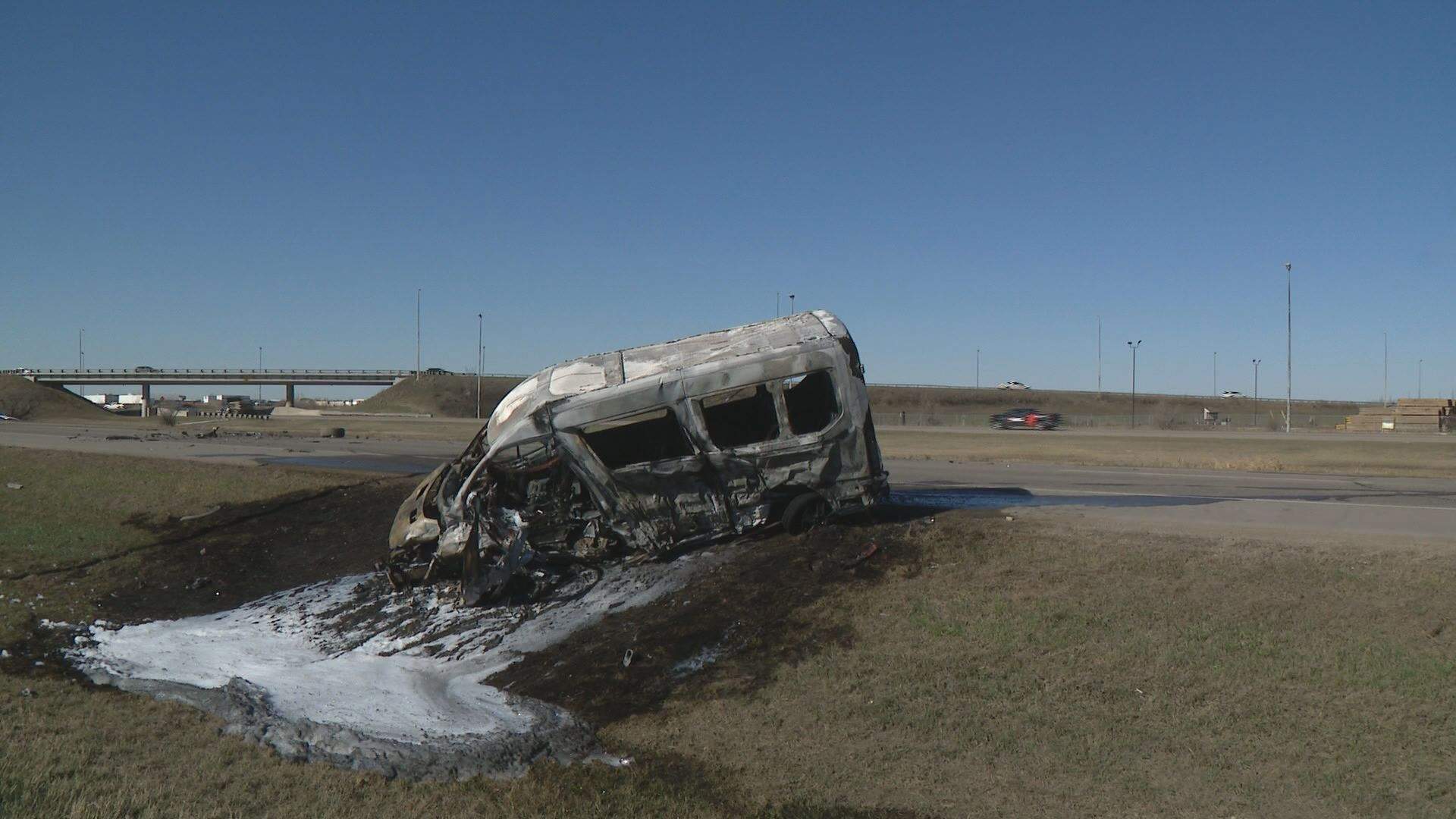
Judicial sentencing for juvenile offenders navigating violent public safety breaches requires balancing statutory accountability against neurological development models. When a 14-year-old operator of a stolen vehicle crosses a highway median at high velocity, resulting in catastrophic multi-system trauma to an innocent civilian, the legal system faces a multi-variable optimization problem. The core tension lies between custodial deterrence and rehabilitative intervention within statutory frameworks like Canada's Youth Criminal Justice Act. Deconstructing the legal arguments presented in provincial court reveals how prosecutors and defense counsels deploy diverging systemic models to interpret identical criminal behavior.
The Prosecution Calculus
The Crown approach prioritizes public safety thresholds, general deterrence, and proportional accountability through institutional custody. In cases involving high-velocity vehicular collisions stemming from flight-from-police dynamics, the prosecutorial framework weighs several aggravating metrics:
- Precursor Criminality: The acquisition and transit of stolen property across municipal boundaries, specifically moving a vehicle from Prince Albert to Saskatoon, establishes premeditation and multi-jurisdictional risk.
- Active Evasion: The decision to accelerate and bypass a lawful traffic stop initiated by regional law enforcement forces a high-risk operational state on public thoroughfares.
- Catastrophic Collateral Impact: The transition from erratic transit to a median breach directly generates severe physical harm, illustrated by an 82-year-old victim sustaining second and third-degree burns across substantial body surface areas alongside multiple skeletal fractures.
Based on these variables, the Crown model calculates that non-custodial measures fail to reflect the severity of dangerous driving causing bodily harm. The recommended penalty structure—comprising 10 months in a secure youth facility, five months of supervised community reintegration, and 12 months of structured probation—functions as an explicit attempt to calibrate confinement duration with public protection.
The Defense Optimization Model
Conversely, the defense framework shifts the analytical focus from retributive proportionality to developmental causality and clinical intervention vectors. This strategy builds on established cognitive and behavioral diagnoses to restructure the accountability equation:
- Neurological and Behavioral Variables: Documented diagnoses including autism spectrum disorder and oppositional defiant disorder are introduced as primary contributors to impulse dysregulation under high-stress conditions.
- Pre-Trial Custody Multipliers: Defense arguments incorporate statutory provisions regarding enhanced credit for time served under pre-trial detention conditions, framing extended institutional stays as counterproductive to adolescent behavioral modification.
- Rehabilitative Infrastructure: Rather than closed custody, the defense prescribes immediate transition into specialized treatment facilities backed by extended probation periods and mandatory curfews.
This structural argument posits that secure facilities exacerbate criminogenic tendencies among adolescents, whereas targeted therapeutic intervention yields a lower recidivism probability over a multi-year horizon.
Systemic Externalities and Second-Order Effects
The collision generates cascading impacts that ripple far beyond the immediate courtroom actors, altering familial and social operational capacities. The primary victim, functioning as an essential caregiver within his household, experienced a total disruption of domestic support structures, forcing dependents to alter medical and living arrangements entirely to manage ongoing rehabilitation needs.
Simultaneously, the institutional response exposes structural limitations within provincial youth supervision facilities and group homes. Prior infractions involving facility staff indicate persistent behavioral volatility that standard administrative controls failed to mitigate prior to the vehicular incident. This highlights a predictive failure in early intervention pipelines, where chronic behavioral escalation precedes catastrophic public safety failures due to a lack of tightly integrated therapeutic containment.
The Judicial Balancing Function
The presiding judge's decision to reserve judgment underscores the extreme complexity of synthesizing conflicting expert recommendations into a legally binding order. The final sentencing mandate must reconcile the irreconcilable: the absolute permanence of the victim's physical and lifestyle degradation against the statutory mandate to rehabilitate a minor whose neurological maturity remains incomplete.
To resolve this optimization challenge, judicial authorities must apply a weighted risk matrix where public incapacitation runs parallel to mandatory, court-enforced medical treatment protocols, neutralizing future operational mobility until clinical behavioral stability is empirically verified.