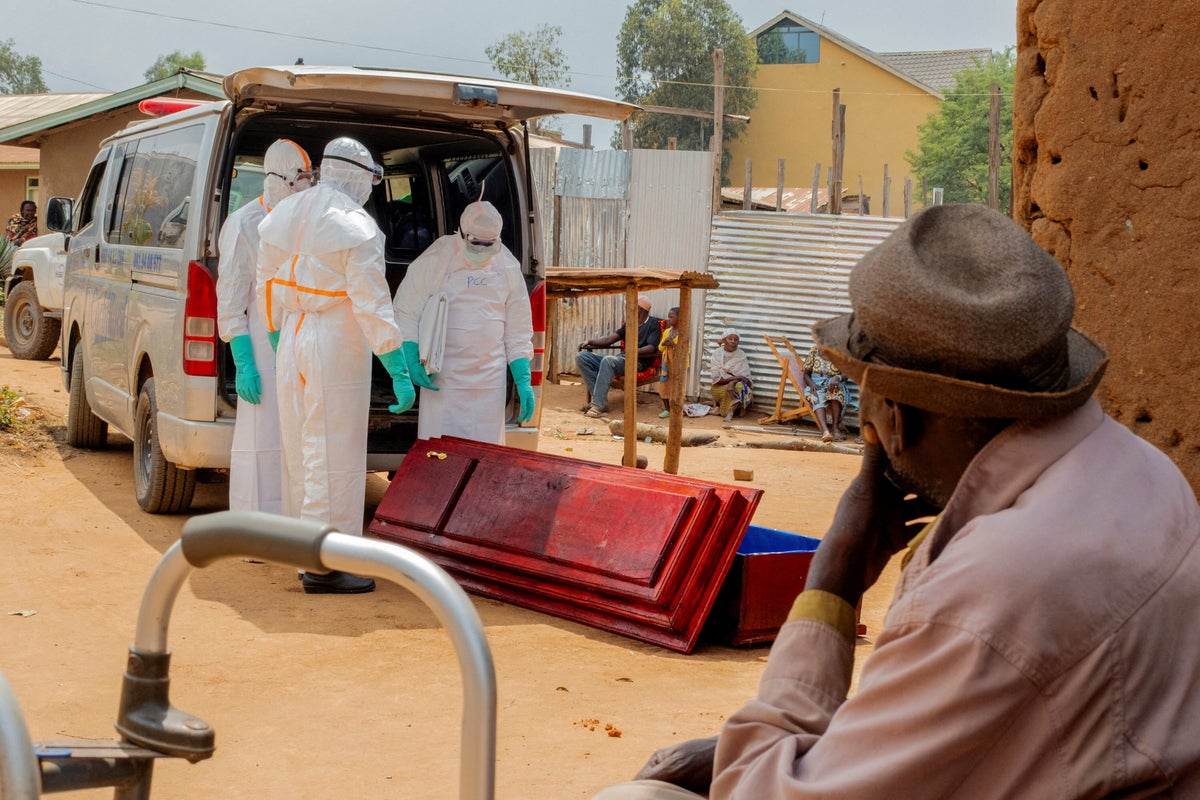
The containment of highly infectious pathogens relies entirely on a highly optimized structural feedback loop: continuous medical surveillance, immediate therapeutic intervention, and the logistical stabilization of the frontline workforce. When any element of this triad fractures, epidemiological transmission shifts from linear progression to exponential expansion. The current Ebola virus outbreak in the Ituri province of the Democratic Republic of Congo has crossed this critical threshold, exceeding 1,561 confirmed cases and 506 deaths within less than two months of its official declaration on May 15, 2026.
This trajectory represents the worst initial month of an Ebola outbreak on record. It highlights a fundamental operational failure in public health execution. The crisis is further compounded by a 24-hour strike notice issued by frontline healthcare workers. This response represents a rational economic and safety-seeking reaction to structural neglect, rather than a mere labor dispute. Examining this crisis requires evaluating the structural bottlenecks driving transmission, the distinct virological challenges of the pathogen, and the operational breakdown of the state-directed supply chain.
The Virological Disadvantage: The Bundibugyo Variable
Epidemiological models designed during previous Congolese outbreaks rely heavily on the assumption that the pathogen in play is the Zaire ebolavirus strain. The Zaire strain benefits from highly effective countermeasures, including the Ervebo vaccine and proven monoclonal antibody therapeutics like mAb114 and REGN-EB3, which lower case fatality rates to roughly 30% under clinical conditions.
The current outbreak is driven by the rarer Bundibugyo ebolavirus species. This shift changes the operational baseline for containment in two ways:
- Therapeutic Redundancy: There are currently no approved vaccines or targeted antiviral therapies available for the Bundibugyo strain. Clinical interventions are restricted to supportive care—such as intravenous fluid resuscitation, electrolyte stabilization, and symptom management.
- Elevated Baseline Mortality: Without targeted biomedical interventions, the historical case fatality rate of the Bundibugyo strain fluctuates significantly based on internal triage capacity. The current crude mortality rate of this outbreak sits at approximately 32.4%. This rate is poised to climb sharply if supportive hospital care is removed due to labor disruptions.
Because biomedical prevention is unavailable, containment is entirely dependent on behavioral and mechanical intervention: patient isolation, rigorous contact tracing, and the deployment of personal protective equipment (PPE).
Epidemic Vectors in High-Velocity Economic Zones
The epicenter of this outbreak, Mongbwalu, features specific socio-economic and demographic characteristics that naturally accelerate viral transmission. The region is a dense gold-mining hub that draws a transient workforce of thousands of laborers. This environment functions as a highly efficient amplifier for a pathogen transmitted via direct contact with bodily fluids.
The structural transmission mechanics within these mining zones are defined by specific local factors. The physical layout of informal, artisanal mining operations forces workers into close, prolonged contact inside unventilated pits and muddy excavation pools. Laborers reside in high-density, low-income encampments lacking centralized sanitation or running water, making infection prevention protocols nearly impossible to implement.
Furthermore, the high mobility of the mining workforce means individuals exposed in Mongbwalu regularly move across provincial borders or into neighboring countries like Uganda, which has already identified 19 cases. This continuous movement complicates standard contact-tracing models.
The failure to locate patient zero indicates that active community transmission occurred undetected for weeks prior to May 15. In a population with high mobility, missing early transmission chains causes contact-tracing backlogs to grow exponentially. This leaves public health teams chasing an expanding radius of exposure rather than containing it.
The Cost Function of Frontline Labor Neglect
The threatened strike by health professionals in Ituri is an expected systemic breakdown resulting from misallocated resources and operational friction between central authorities and local networks. The frontline workforce faces a severe mismatch between high occupational hazard and low institutional support.
Total Operational Risk = Pathogen Hazard × Exposure Duration × Supply Deficit
The 24-hour ultimatum delivered to the Ministry of Health outlines a clear failure in resource allocation and labor management:
- Compensation Arrears: Frontline medical workers have received zero hazard pay or promised benefits since the outbreak was declared. This cuts off their financial baseline while they are banned from engaging in other income-generating activities due to exhausting shifts.
- Supply Chain Interdiction: Treatment centers face critical deficits in foundational biosafety gear, including medical-grade gloves, fluid-impermeable coveralls, and chemical disinfectants. This directly escalates the probability of nosocomial transmission among healthcare staff.
- Centralized Labor Displacement: The Ministry of Health in Kinshasa has systematically deployed external response teams from other provinces, bypassing local medical personnel and misallocating capital toward bureaucratic oversight rather than local operational capacity.
This dynamic creates severe friction. Local communities already view teams arriving from the capital with deep skepticism. When external bureaucratic teams override local medical authorities, community resistance rises, and critical health communications break down. Medical workers face physical threats from hostile crowds alongside the daily risk of virus exposure. Expecting a workforce to absorb these combined physical, biological, and economic pressures without basic compensation or protective equipment is operationally unsustainable.
Strategic Interventions Required for Containment
Resolving this crisis requires shifting away from centralized, top-down mandates toward localized, system-level stabilization.
First, the central government must immediately decentralize the financial management of the response. Direct capital transfers should prioritize clearing hazard pay backlogs for local health workers, bypassing the bureaucratic delays in Kinshasa.
Second, the supply chain must pivot to a pull-system model. This means field hospitals in Ituri should directly dictate the volume and frequency of PPE deliveries based on daily case inputs, rather than waiting for scheduled shipments from central depots.
Finally, because there is no vaccine available for this strain, containment requires establishing strict diagnostic outposts at every major mining transit node out of Mongbwalu. These outposts must use rapid diagnostic testing alongside localized, peer-led contact tracing to manage transmission vectors effectively. If these structural adjustments are not made, a frontline labor strike will halt active surveillance, causing unmonitored community transmission to expand rapidly across central Africa.