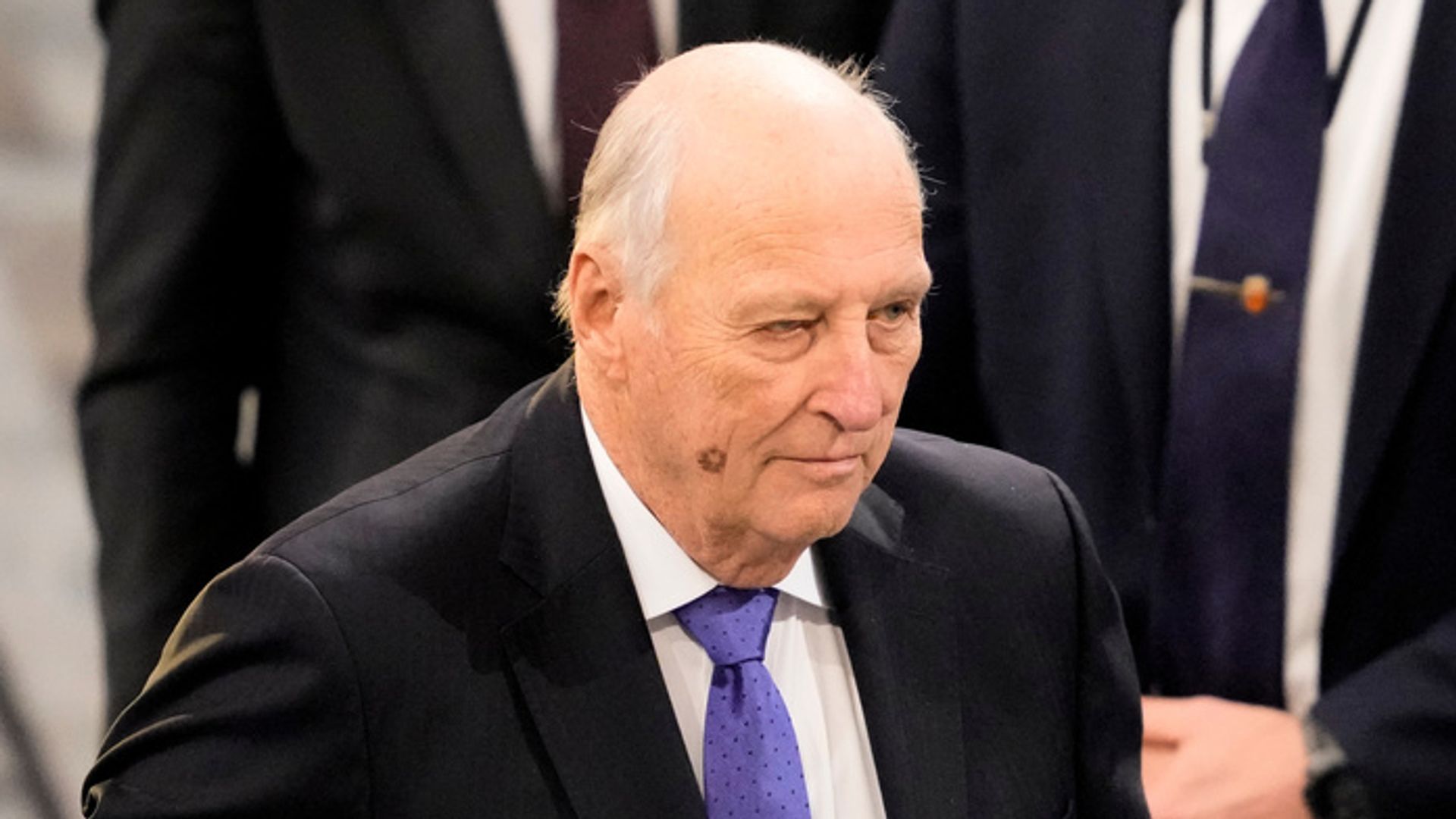
The recent hospitalization and subsequent health deterioration of 89-year-old King Harald V at Oslo University Hospital exposes the structural fragilities inherent in constitutional monarchies operating under hereditary succession models. When Europe's oldest reigning head of state encounters compounding physiological failures—moving from hemolytic anemia management and cortisone-induced fluid retention to acute bacteremia—the impact extends far beyond clinical parameters. It initiates an institutional stress test for the entire Norwegian state apparatus.
The Tripartite Load on the Royal Infrastructure
To understand the current crisis, one must deconstruct the operational strain facing the Norwegian crown into three distinct vectors: physiological dependency, regency transition friction, and reputational load.
The physiological vector centers on the chronic management of King Harald's conditions. Hemolytic anemia requires ongoing pharmacological intervention, notably cortisone therapy, which introduces secondary complications such as systemic fluid accumulation. The introduction of a nosocomial or opportunistic bacterial bloodstream infection during inpatient care transforms a managed chronic baseline into an acute systemic threat. While targeted antibiotic protocols have stabilized his immediate condition, the margin for physiological recovery narrows substantially at age 89, increasing the frequency of institutional downtime.
The operational continuity of the state relies on the regency vector. Crown Prince Haakon has assumed executive royal duties as regent, a constitutional mechanism designed to prevent leadership vacuums. Yet, substitution at the head of state introduces structural friction. While Haakon absorbs official engagements, the duality of a reigning monarch who refuses abdication coupled with an active regent creates a dual-track authority model. This model preserves historical continuity at the expense of definitive generational leadership transfer.
The reputational vector compounds these administrative challenges. The monarchy operates within a strict public trust framework. Concurrently with King Harald's medical vulnerabilities, the extended royal household faces severe external scrutiny regarding legal and personal controversies involving family members. This convergence of institutional head-of-state fragility and collateral reputational strain tests the resilience of public goodwill.
The Cost Function of Lifelong Tenure
Constitutional monarchies reject modern corporate governance practices regarding executive succession. In the private sector, mandatory retirement ages and structured succession pipelines mitigate key-person risk. Hereditary systems bind institutional stability to biological longevity.
King Harald's explicit refusal to abdicate—grounded in a lifelong constitutional oath—forces the institution to absorb escalating operational bottlenecks. Every hospitalization triggers a reallocation of palace resources, shifts public discourse toward succession mechanics, and places heightened physical demands on the crown prince. The system absorbs these shocks because public support remains robust, but each medical episode raises the baseline probability of an unplanned, rapid transition.
Systemic Vulnerabilities and Mitigation Limits
The Norwegian royal household manages these risks through transparent communication channels and adherence to constitutional safeguards. Issuing precise medical bulletins prevents speculative market and political panic. Delegating authority to Crown Prince Haakon ensures that state functions, foreign relations, and legislative sanctioning proceed without administrative delay.
However, these tactical mitigations possess hard operational ceilings. They cannot eliminate the systemic uncertainty generated by a monarch navigating severe, recurring multi-system infections and cardiovascular interventions, including his 2024 pacemaker implementation. The strategy relies entirely on reactive containment rather than proactive structural reform, leaving the institution vulnerable to compounding crises.
Crown Prince Haakon must immediately formalize an extended operational shadow-government framework, expanding the administrative delegation of state duties to insulate the executive core from the compounding pressures of monarchical health volatility and peripheral familial controversies.