Modern sports journalism operates within a fragile contractual equilibrium between media access and organizational control. When this equilibrium fractures, the resulting breakdown is rarely an isolated emotional outburst; rather, it represents the systemic failure of press conference management under high-stakes geopolitical or cultural pressure. The recent incident involving an Israeli reporter and the Republic of Ireland football delegation serves as a textbook case study in how protocol failure, emotional escalation, and information asymmetry can derail a controlled media environment.
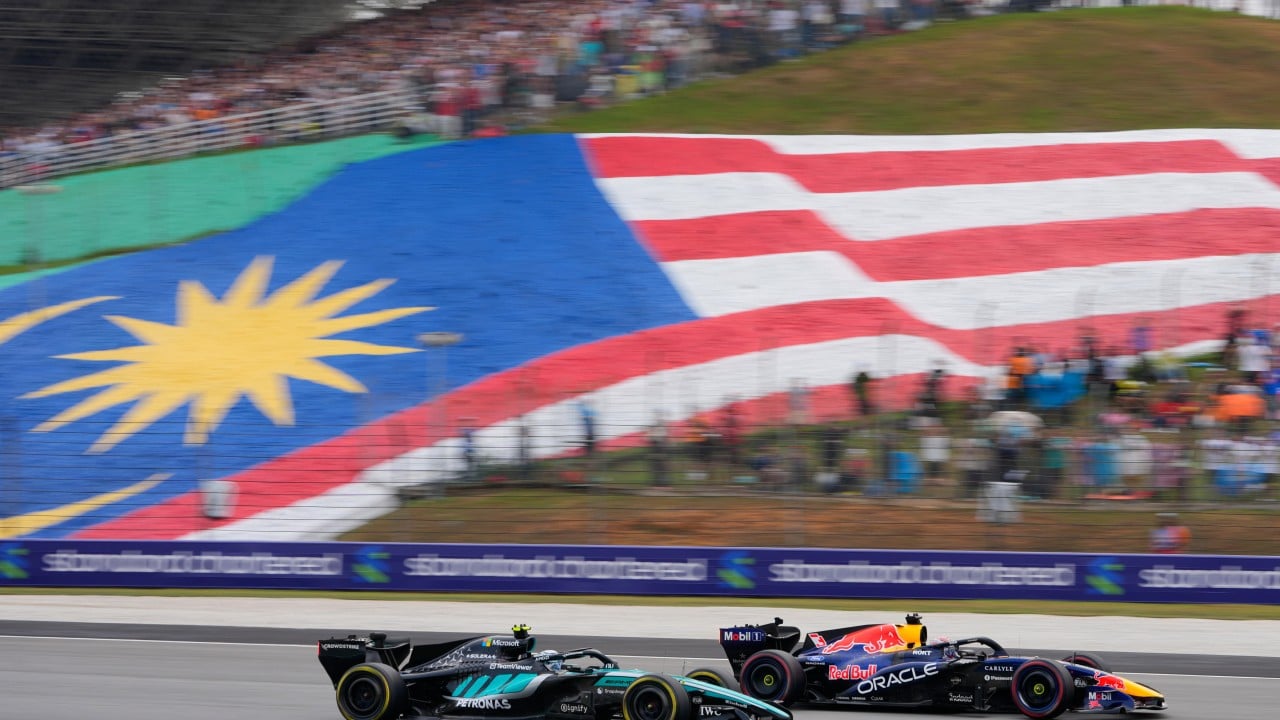
To understand why modern press briefings collapse into verbal friction, we must deconstruct the mechanics of press access, examine the cost functions of polarized reporting, and analyze the structural vulnerabilities that organizations face when international politics intersects with sports broadcasting. You might also find this connected article insightful: Malaysia is Right to Leave F1 Behind and You Are Foolish to Want Them Back.
The Structural Mechanics of Press Access and Protocol Failure
A standard athletic press briefing is engineered as a low-entropy communications channel. The objective of the governing body or team is to disseminate approved messaging, manage public relations, and satisfy contractual broadcasting obligations. Conversely, the objective of the accredited journalist is often investigative, narrative-driven, or designed to provoke a response that challenges the prevailing institutional narrative.
When these opposing vectors collide without adequate moderation, the system experiences a bottleneck. The failure mode observed during the Ireland football news conference highlights three structural vulnerabilities in press room management: As discussed in detailed coverage by ESPN, the implications are notable.
- Asymmetry of Intent: While the organization views the room as a forum for athletic discourse, visiting or specialized correspondents may view the platform as an opportunity to interrogate broader geopolitical alignments. When moderation lacks clear jurisdictional boundaries regarding topic restriction, the floor becomes volatile.
- Buffer Depletion: Effective media operations rely on layers of insulation—media officers, localized security, and structured microphone queues. When these buffers fail to intercept contentious lines of questioning before they reach the primary microphone, organizational leaders are forced into defensive postures.
- The Escalation Threshold: In high-stress environments, a single perceived provocation can alter the emotional baseline of the room. Once the threshold from professional inquiry to personal accusation is crossed, de-escalation becomes mathematically improbable without immediate physical intervention or termination of the session.
The intersection of sports and international affairs inevitably increases the coefficient of friction. When an organization fails to calibrate its security and moderation protocols to match the sensitivity of the subject matter, the press conference transforms from a communication tool into a liability vector.
The Cost Function of Polarized Journalistic Frameworks
Journalism operating in zones of intense conflict or polarization often abandons standard objective reporting structures in favor of advocacy frameworks. This shift alters the risk-reward matrix for reporters operating in foreign or neutral territories.
When evaluating the conduct of reporters in politically charged sports environments, two distinct operating models emerge:
- The Institutional Inquiry Model: Focused on operational performance, tactical decisions, player fitness, and administrative governance. This model assumes a shared vocabulary and baseline respect for the institutional context of the sport.
- The Confrontational Accountability Model: Operates on the premise that sports are inextricably linked to state politics and human rights. Reporters utilizing this framework treat athletes and managers not as sports figures, but as public officials representing political systems.
The friction in the Ireland football media room occurred precisely because these two models collided without translation layers. The reporter operated under the second framework, while the delegation and local media expected adherence to the first.
Economically and reputationally, this creates a negative externality for the host organization. The cost of permitting unrestricted, unvetted questioning on polarizing topics is the immediate degradation of the brand's safe environment. The cost of imposing strict censorship, conversely, is the alienation of international media bodies and accusations of suppression. Managing this trade-off requires rigorous pre-briefing protocols and unambiguous guidelines that are communicated to all accredited personnel prior to entry.
Information Asymmetry and the Amplification Loop
In the digital age, a press conference is no longer confined to the physical room in which it occurs. Every exchange is instantly digitized, recontextualized, and fed into algorithmic amplification loops. This reality fundamentally alters the behavior of both reporters and subjects.
[Physical Confrontation]
       │
       ▼
[Immediate Digital Capture]
       │
       ▼
[Algorithmic Amplification]
       │
       ▼
[Polarized Public Reaction]
       │
       ▼
[Institutional Policy Reaction]
This feedback loop creates perverse incentives. For a journalist operating in a hyper-competitive media market, viral confrontation generates immediate visibility and professional metrics that standard match reporting cannot replicate. For the athletic organization, the necessity of protecting personnel from hostile or unrelated interrogation supersedes the traditional commitment to open media access.
When the exchange devolved into a verbal clash, the structural integrity of the press room vanished. The presence of cameras ensured that the breakdown would be weaponized by various political factions online, stripping the event of its localized sports context and embedding it within a global narrative war.
Operational Remediation for Media Management
To prevent future collapses of this magnitude, sports federations and governing bodies must transition from reactive damage control to proactive system design. The standard accreditation process is no longer sufficient for filtering out ideological actors who view sports as secondary to political messaging.
Organizations must implement explicit code-of-conduct agreements signed prior to credential issuance, clearly delineating the boundaries of acceptable inquiry during athletic briefings. Furthermore, media officers must be empowered to cut microphone feeds immediately upon the introduction of non-relevant or hostile interpersonal attacks, prioritizing the safety and professional decorum of the delegates.
Implement a tiered accreditation audit that cross-references journalistic output with the subject matter of the event, ensuring that specialized political correspondents are routed through appropriate diplomatic channels rather than athletic media scrums.