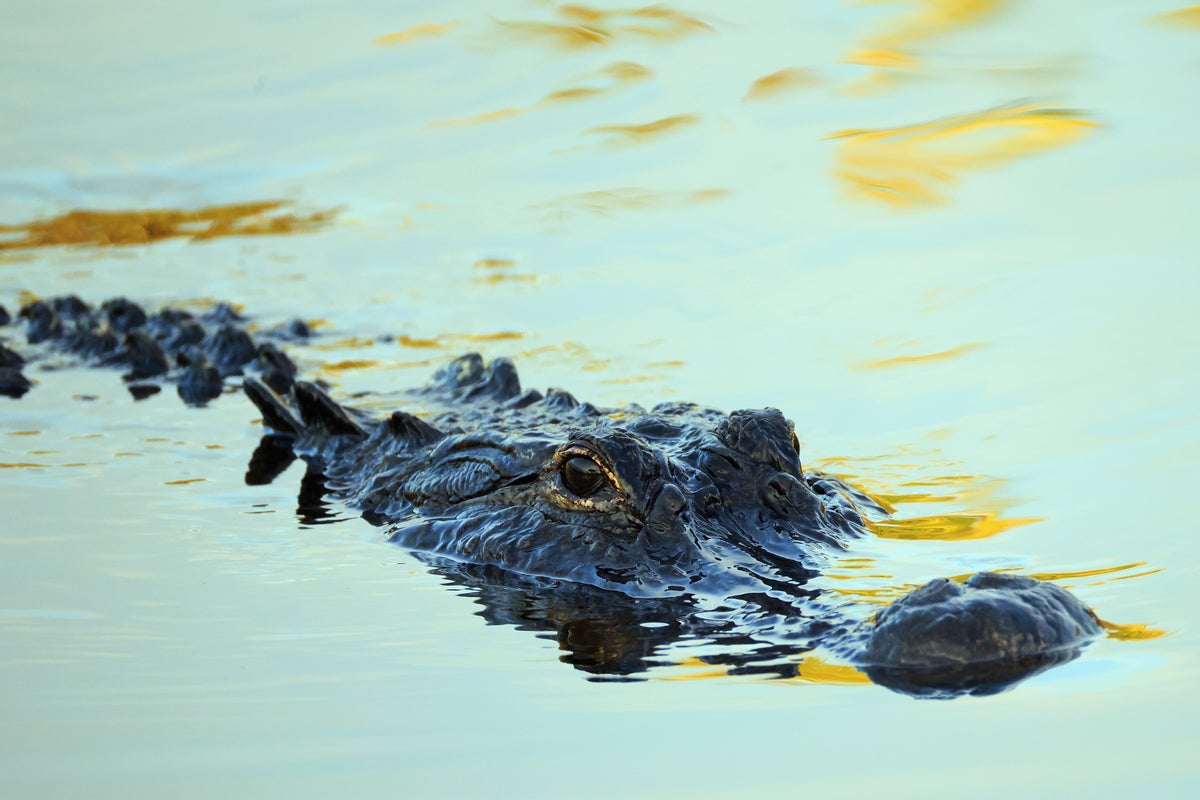
Commercial ecotourism operators function at the intersection of unpredictable natural ecosystems and strict maritime liability frameworks. When a recreational asset—such as a commercial airboat—directly interacts with apex predators, the margin for operational error disappears. A recent personal injury lawsuit filed in Florida by a passenger against an airboat tour company after an alligator inflicted severe facial injuries exposes systemic failures in risk mitigation, vessel command structures, and consumer safety protocols.
This analysis deconstructs the incident through the lens of tort liability, operational risk management, and the biological realities of wildlife habituation. By analyzing the mechanics of the event, the legal doctrines governing inland navigable waters, and the commercial pressures that incentivize dangerous proximity to wildlife, we can establish a blueprint for structural risk reduction in the outdoor recreation industry.
The Tripartite Failure Matrix of the Incident
The breakdown of operational safety in this event rests on three distinct vectors: mechanical vulnerability, behavioral habituation of the wildlife, and a failure of command and control by the vessel operator.
1. The Proximity Paradox and Baiting Mechanics
Ecotourism operators face a perverse economic incentive: higher proximity to wildlife yields greater customer satisfaction, which drives review volume and revenue. To guarantee these close-up encounters, some operators engage in informal or illicit wildlife habituation, frequently utilizing food rewards (baiting).
When an apex predator like Alligator mississippiensis associates human vessels with caloric rewards, its natural apex-predator avoidance behavior is overridden by operant conditioning. The alligator ceases to view the vessel as a threat or a neutral object; instead, it identifies the vessel—and its occupants—as a food source. In this specific incident, the alligator approached the airboat not out of territorial aggression, but out of conditioned expectation. The proximity paradox dictates that the closer an operator gets to maximize consumer utility, the higher the velocity of catastrophic risk exposure.
2. Vessel Design and Spatial Vulnerability
Commercial airboats are uniquely engineered for shallow-water transit, utilizing a flat-bottomed hull and high-horsepower airplane engines driving a rear propeller. However, this specific hull geometry introduces a severe safety vulnerability: an exceptionally low freeboard (the distance from the waterline to the upper edge of the hull).
[Low Freeboard Vulnerability Diagram]
+-------------------------------------------------------+
|  Airboat Deck / Passenger Seating Area                |
+-------------------------------------------------------+  <-- Low Freeboard Edge
~~~~~~~~~~~~~~~~~~~~~~ Waterline ~~~~~~~~~~~~~~~~~~~~~~~~  <-- Minimal vertical barrier
         ^
         |-- Apex predator can breach this threshold with minimal vertical leap.
Standard passenger airboats feature open seating arrangements with minimal vertical or structural barriers between the occupants and the water line. When a vessel idles or stops to observe wildlife, the effective freeboard decreases further due to the loss of dynamic lift generated during planing. This structural reality means that a mature alligator requires minimal vertical leap to breach the perimeter of the passenger deck.
3. Operator Command and Control Breakdown
A commercial vessel captain holds an absolute duty of care under maritime law to maintain a safe environment for passengers. In this incident, the breakdown occurred when the operator permitted a wild animal to approach within striking distance of the passenger perimeter without initiating defensive maneuvers, backing down the vessel, or enforcing a strict passenger retreat protocol. The failure to maintain a safe physical standoff distance constitutes a direct breach of basic operational safety standards.
The Legal and Economic Implications of General Maritime Law
The plaintiff’s lawsuit hinges on demonstrating negligence under a framework that blends state tort law with specific maritime principles, depending on whether the waterway is classified as federally navigable.
The Standard of Care vs. Inherent Risk
In outdoor recreation, operators frequently rely on liability waivers to immunize themselves from lawsuits. However, under Florida law and general maritime principles, a liability waiver cannot absolve an operator of gross negligence or intentional misconduct.
The defense will likely argue the doctrine of Assumption of Risk, asserting that a passenger boarding an airboat in an alligator-populated swamp inherently accepts the risk of wildlife interaction. The plaintiff’s legal strategy must counter this by isolating the operator's specific actions that exacerbated that inherent risk.
- Inherent Risk: An alligator swimming near a boat or splashing water onto the deck.
- Actionable Negligence: An operator intentionally navigating into a known nesting area, idling the engine to allow an alligator to rest its head on the gunwale, or actively encouraging passengers to lean over the side to photograph a conditioned predator.
The Cost Function of Operational Negligence
For an ecotourism enterprise, the financial impact of a high-profile wildlife attack extends far beyond the immediate legal settlement. The cost function of operational negligence encompasses three primary financial drains:
Total Liability Cost = Direct Litigation + (Insurance Premium Escalation * t) + Reputational Equity Loss
Where $t$ represents the multi-year tail during which underwriters re-rate the risk profile of the business. In high-risk sectors, a single catastrophic event can shift an operator from standard commercial insurance lines to surplus lines, increasing annual premium expenditures by 200% to 500%, or rendering the asset entirely uninsurable.
Biomechanical Realities of the Attack Vector
Understanding the severity of the plaintiff's injuries requires an objective look at the biomechanics of an alligator strike. Alligator mississippiensis possesses one of the most powerful bite forces in the animal kingdom, measured at up to 2,125 pounds per square inch ($psi$).
Unlike mammalian predators that use teeth to shear or slice tissue, an alligator’s dentition is designed for prehension—gripping and holding prey. Once a hold is established, the animal executes a rotational roll (the "death roll") to dismember the target or drag it into deeper water.
When an alligator strikes a human target's face at close range, the injuries are characterized by:
- Crush fractures of the facial skeleton (mandible, maxilla, and zygomatic arch).
- Severe soft-tissue avulsions caused by the conical shape of the teeth under high compressive force.
- High rates of polymicrobial infection due to the introduction of specialized aquatic bacteria (such as Aeromonas hydrophila) found in the oral cavity of the reptile, requiring immediate, aggressive antibiotic treatment alongside surgical reconstruction.
The speed of an alligator's strike out of the water is deceptively high; a mature adult can lunge at velocities exceeding 30 feet per second over short distances. This leaves a passenger seated on a low-freeboard vessel with zero reaction time if the animal decides to strike across the gunwale.
Systemic Risk Mitigation Framework for Ecotourism Operators
To prevent catastrophic failures and establish an unassailable legal position of due diligence, commercial airboat and wildlife tour operators must implement a rigid, multi-layered risk mitigation framework. Relying on passive warnings or verbal instructions is fundamentally insufficient.
Mandatory Physical Standoff Boundaries
Operators must establish and enforce non-negotiable physical standoff distances. If an alligator or other apex predator approaches within a designated threshold—for example, 15 feet—the operator must immediately engage the propulsion system and move the vessel away from the animal. This protocol must be formalized in the company’s standard operating procedures (SOPs) and recorded via onboard telemetry or GPS logs to provide a verifiable audit trail of compliance.
Engineering Controls and Barriers
Relying entirely on passenger compliance to stay inside the vessel is an operational vulnerability. Hulls should be retrofitted with physical engineering controls:
- Extended Gunwale Barriers: Installing heavy-duty polycarbonate or marine-grade aluminum mesh screening along the passenger perimeter to a height of at least 24 inches above the deck floor.
- Seating Configuration Optimization: Eliminating perimeter seating in favor of centerline row configurations, ensuring that passengers cannot physically reach past the outer hull of the vessel even if they extend their arms fully.
Strict Anti-Habituation Policies and Employee Audits
Operators must enforce a zero-tolerance policy for wildlife feeding or baiting. To ensure compliance, management should deploy random, third-party audits or install continuous outward-facing video monitoring systems. Documenting that the company actively deters habituation protects the business from punitive damages by demonstrating a systemic commitment to lawful and safe operations.
Comprehensive Pre-Departure Briefings
Before the vessel leaves the dock, passengers must undergo a structured safety briefing. This briefing must explicitly state the biological realities of the ecosystem, define the boundaries of the vessel, and outline the immediate actions required if an animal approaches. Passengers should sign a specialized acknowledgment form verifying that they understand the specific prohibition against extending limbs, cameras, or smartphones past the plane of the vessel's hull.
Strategic Play for Industry Standardization
The ecotourism industry faces a critical juncture. Operators who continue to leverage dangerous, high-proximity encounters as a marketing tool will eventually be phased out by escalating insurance premiums, punitive legal judgments, and regulatory interventions. The forward-looking strategic move for operators is to aggressively position safety and environmental stewardship as their primary value proposition.
Trade associations and state regulatory bodies should collaborate to create an independent safety certification for wildlife tour operators. This certification must require verifiable compliance with telemetry-tracked standoff distances, standardized hull safety barriers, and audited anti-feeding protocols. By raising the regulatory and operational baseline, the industry can eliminate reckless operators who tarnish the sector's reputation, while simultaneously insulating compliant businesses from catastrophic liability. The future of commercial ecotourism belongs to enterprises that treat risk management not as a compliance bottleneck, but as a core competitive advantage.