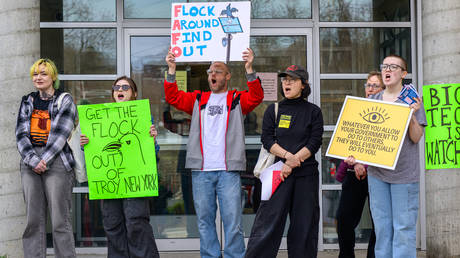
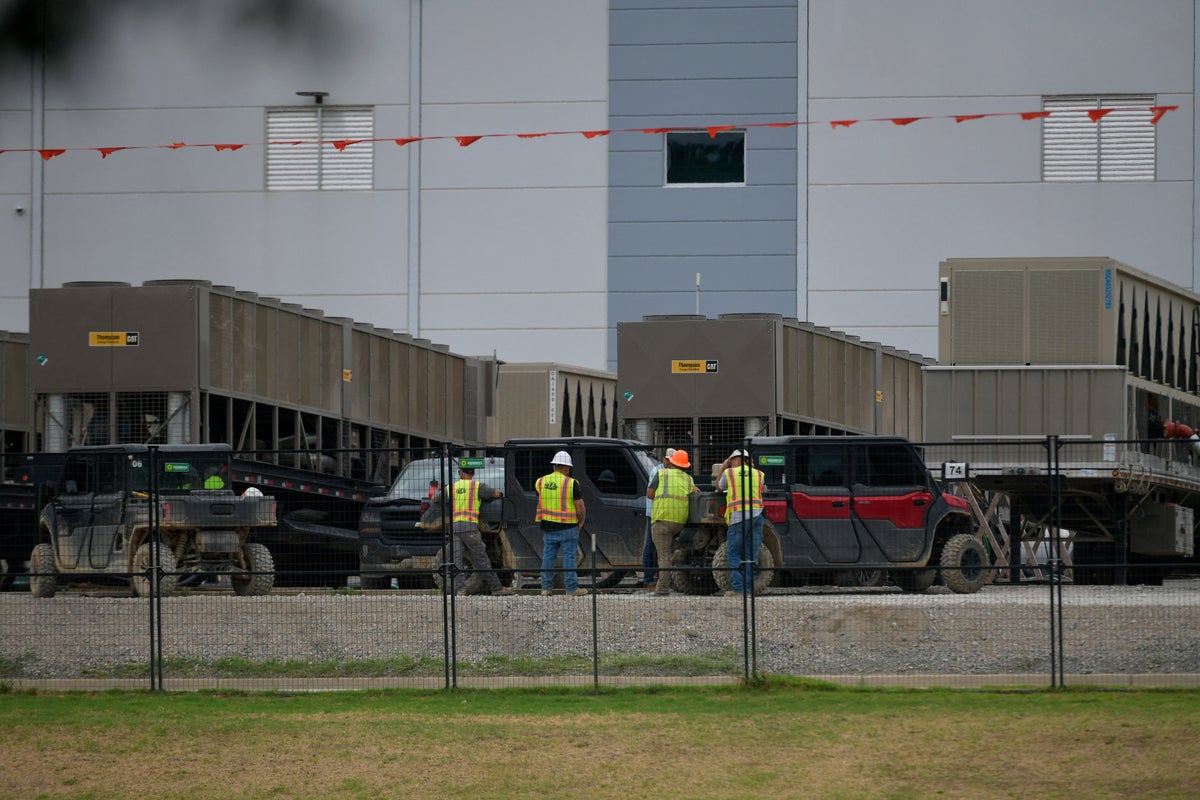
Public resistance to digital infrastructure has shifted from localized zoning disputes to systemic friction. For years, municipal approvals for server facilities operated as routine administrative procedures. Local planning boards viewed these installations through a traditional commercial lens: short-term construction labor, modest property tax generation, and minimal daytime vehicular traffic. That operational model is obsolete. The intersection of high-density artificial intelligence compute workloads and aggressive grid consumption has exposed a structural mismatch between how digital infrastructure scales and how physical municipalities absorb resource extraction.
When a community pushes back against a newly proposed server facility, observers often misdiagnose the friction as simple NIMBYism. This analytical error obscures the underlying operational mechanics driving public backlash. The friction is fueled by three distinct variables: acute resource competition, asymmetric economic returns, and institutional opacity. Each variable operates under a different set of constraints, creating a compounding crisis for infrastructure developers and utility operators alike.
The Resource Extraction Model
The primary driver of public resistance is the physical resource footprint of modern compute facilities. Traditional light industrial parks require minimal municipal input outside of standard water and power connections. Modern hyperscale operations function as heavy industrial actors disguised as office parks.
A standard facility designed for large-scale model training draws between 100 and 1000 megawatts of continuous power. This scale of consumption transforms the local substation from a passive distribution node into a primary bottleneck. Residents living adjacent to these sites experience the impact immediately through grid reliability anxieties and escalating retail electricity rates. Utilities often pass capital expenditure costs for transmission upgrades directly to regional ratepayers, meaning a local population absorbs the financial externality of a global tech firm's compute cluster.
Water consumption compounds this tension. Closed-loop systems mitigate some environmental stress, but evaporative cooling towers in arid or semi-arid regions demand millions of gallons of potable water daily. Municipalities with constrained aquifers face a zero-sum conflict between residential growth and industrial cooling demands. When a local water district implements conservation tiers for homeowners while simultaneously permitting a multi-million-gallon daily allocation for server cooling, the social contract fractures. The public perceives an unfair allocation of scarce commons, transforming a technical zoning issue into a distributional equity crisis.
The Economic Asymmetry Problem
Economic development boards historically justified industrial tax incentives by pointing to permanent job creation and broad municipal wealth generation. Data centers fail this traditional economic test.
Once construction concludes, permanent staffing requirements drop precipitously. A facility spanning hundreds of thousands of square feet may operate with fewer than fifty full-time employees, most of whom require specialized technical credentials rather than local labor pools. The community trades long-term resource depletion and visual or acoustic disruption for a modest property tax increment and a negligible local employment footprint.
Tax abatement structures exacerbate this disconnect. In competitive site-selection markets, municipalities routinely offer multi-decade property tax exemptions to secure multi-billion-dollar capital investments. While these deals look attractive on initial municipal balance sheets, they often fail to cover the hidden costs of infrastructure wear. Heavy construction traffic degrades secondary roads not engineered for constant multi-axle freight. Emergency services find themselves ill-equipped to handle lithium-ion battery array fires or high-voltage transformer failures without specialized municipal outlays that the tax abatements fail to fund.
Information Asymmetry and Institutional Opacity
The third pillar of backlash stems from the communication strategies historically deployed by infrastructure developers. Historically, hyperscalers operated under a stealth model, acquiring parcels through shell companies, filing generic site plans under innocuous corporate entities, and revealing the true scope of the project only after permits were legally locked.
This methodology was designed to prevent land speculation and preempt activist coordination. In practice, it triggers institutional distrust. When residents discover that a quiet grading permit actually heralds a high-density compute campus operating industrial backup diesel generators around the clock, the shock breeds suspicion. Local officials who signed nondisclosure agreements or fast-tracked approvals find themselves politically vulnerable, leading to reactionary zoning moratoria and emergency ordinances.
The lack of early-stage transparency creates an information vacuum that is rapidly filled by worst-case scenarios regarding acoustic pollution, electromagnetic fields, and environmental contamination. By the time developers host public information sessions, positions are entrenched. The debate ceases to be negotiable because the affected population assumes bad faith from the outset.
The Path Forward for Infrastructure Deployment
Resolving this friction requires moving away from the traditional playbook of reactive PR campaigns and legal force. Developers must internalize the true costs of community integration as core engineering challenges rather than peripheral administrative hurdles.
Site selection parameters must incorporate social carrying capacity alongside fiber availability and substation proximity. Greenfield sites in resource-constrained municipalities will continue to generate prohibitive resistance costs that outweigh tax advantages. Future deployment models must prioritize brownfield redevelopment, co-location with existing heavy industrial zones, and direct microgrid integration where facilities generate or procure dedicated clean energy without destabilizing local retail utility markets.
Transparency protocols must also be inverted. Early engagement with municipal stakeholders, clear articulation of true employment and resource metrics, and binding agreements on noise abatement and water recycling can de-escalate tension before capital is deployed. Developers who treat community relations with the same analytical rigor applied to server architecture will secure predictable deployment timelines; those who rely on stealth and legal leverage will continue to run headfirst into systemic public resistance.