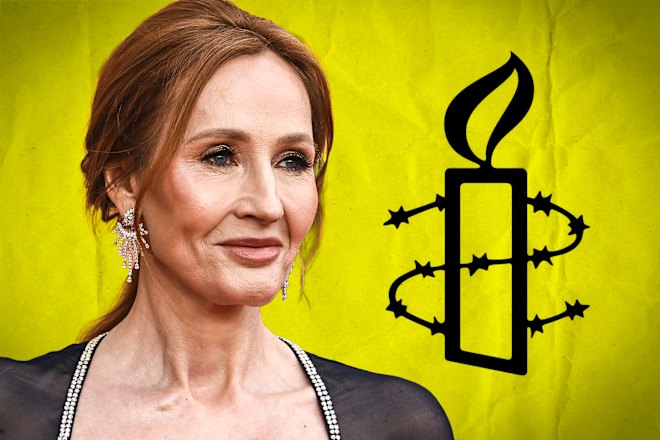
Legacy human rights brands are dying. They aren't dying from a lack of funding or because the world suddenly stopped caring about human rights. They are dying because they traded their global authority for cheap wins in the online culture wars.
When Amnesty International decided to pick a fight with author JK Rowling over her gender-critical views, they didn't protect a single vulnerable person. Instead, they lit their own credibility on fire. It was a classic institutional unforced error, and the fallout is still happening. If you liked this article, you should look at: this related article.
The Day a Human Rights Giant Behaved Like a Twitter Troll
For decades, Amnesty International built its reputation on hard, dangerous work. They investigated dictators. They tracked down political prisoners in brutal regimes. They wrote letters to people rotting in cells for speaking the truth. That work required immense moral clarity and a refusal to get bogged down in partisan politics.
Then came the internet. For another angle on this story, refer to the latest coverage from TIME.
In its bid to stay relevant to a younger, highly online demographic, Amnesty started behaving less like a serious global watchdog and more like a partisan advocacy group. The confrontation with JK Rowling was the tipping point.
Instead of focusing on systemic state violence or the criminalization of LGBTQ+ individuals in countries where homosexuality carries the death penalty, branches of the organization decided to target a children's book author. They aligned themselves with social media campaigns aimed at silencing her. They signed open letters and made public statements that framed mainstream, biologically-based views on sex as literal human rights violations.
It didn't go well.
Why the Strategy Blew Up in Their Face
The backlash was instant, and it didn't just come from Rowling’s massive fanbase. It came from Amnesty’s own loyal, long-term donors.
Human rights organizations rely on a quiet, dedicated base of monthly givers. Many of these donors are older, politically moderate or traditional liberals who believe in free speech, bodily autonomy, and classic civil liberties. When they saw an organization they had funded for thirty years policing the language of a female author who was raising concerns about women's spaces, they closed their wallets.
Here is why the strategy failed so spectacularly.
They Abandoned Free Expression
Amnesty’s founding mission was built on defending prisoners of conscience. That means defending the right to hold and express unpopular opinions, even when those opinions make people uncomfortable. By actively trying to delegitimize Rowling and her supporters, Amnesty looked like they were on the side of censorship. You can't be the world's premier defender of free speech while simultaneously trying to socially ruin people for expressing mainstream views on biology.
The Hypocrisy of Global Priorities
While Amnesty’s Western offices were busy debating gender identity language on social media, actual human rights crises were unfolding globally. Women in Afghanistan were being stripped of their basic right to education and public life. Women in Iran were being shot in the streets for refusing to wear a hijab.
To the average observer, Amnesty’s obsession with Western cultural debates looked incredibly self-indulgent. It showed an organization that had lost its sense of proportion.
They Underestimated Their Target
Rowling isn't a politician who needs votes, nor is she a corporate executive who can be easily fired by a nervous board. She has what many call "go-away money." She cannot be canceled in the traditional sense. By trying to make her the villain, Amnesty only gave her a larger platform to argue her points, while exposing their own ideological bias.
The Damage to the Broader Human Rights Movement
The real tragedy here isn't about JK Rowling or Amnesty's social media managers. It is about the loss of public trust in institutions that we desperately need.
When a country locks up a journalist, we need an objective, politically neutral body to say, "This is wrong." When a regime uses torture, we need a voice that everyone respects to call it out.
If Amnesty International is seen as just another player in the culture war, their reports on war crimes or political repression lose their weight. Oppressive governments can easily dismiss their findings as biased Western propaganda. They can point to Amnesty's petty online crusades and say, "Why should we listen to an organization that spends its time arguing with novelists?"
That is the real cost of this backfire.
How Advocacy Groups Can Fix Their Credibility
If legacy organizations want to survive, they need to stop trying to please the loudest voices on social media. They need to return to their core principles.
First, they must recommit to political neutrality. A human rights organization should not have a dog in domestic cultural fights. Their job is to protect basic human dignity and free speech, not to enforce a specific ideological consensus.
Second, they need to prioritize severe, state-sponsored abuses over linguistic purity. There is a massive difference between a government imprisoning someone for their identity and a writer expressing a controversial opinion. Mixing the two together cheapens the very concept of human rights.
Finally, they need to listen to their quiet supporters. The people who write the checks and believe in the core mission of human rights are tired of the posturing. It's time to put down the phone, stop chasing viral moments, and get back to the real, difficult work of saving lives.