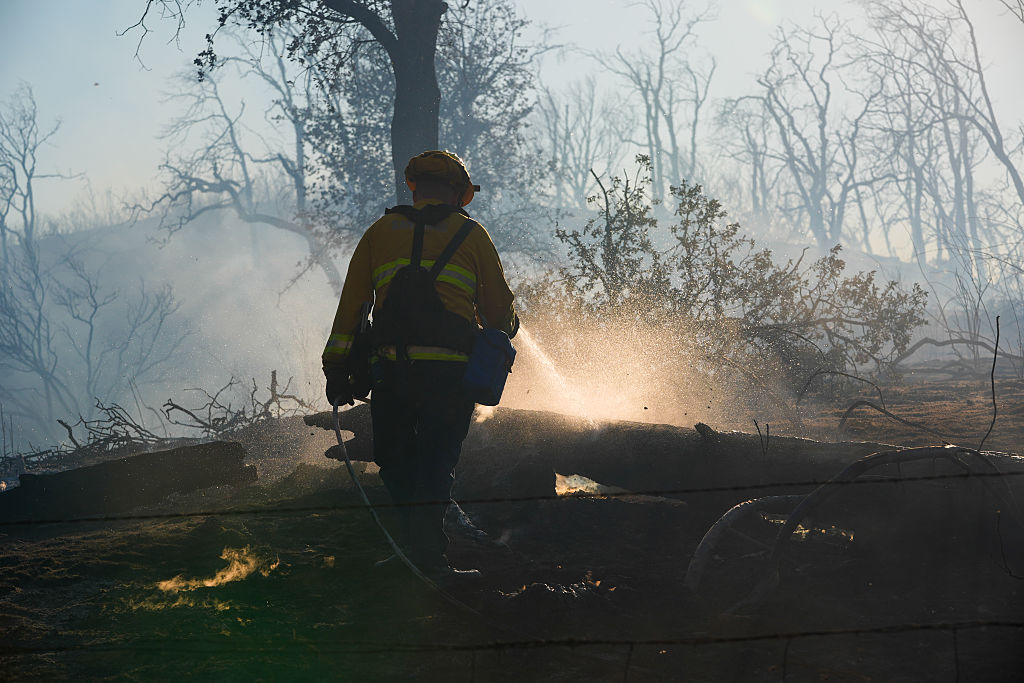
We are dangerously underprepared for the fires coming this season. It's not a secret anymore. State agencies are strapped, federal firefighters are underpaid, and the sheer scale of modern megafires has outpaced decades-old response playbooks.
If you live anywhere near a wildland-urban interface, you already feel the quiet dread when summer temperatures spike. The systems built to protect us are buckling under pressure. Let's look at why wildfire preparedness has hit rock bottom and what that actually means for your home, your wallet, and your safety.
The Reality Behind the Preparedness Crisis
For years, land management agencies relied on a simple formula: suppress every fire immediately and manage fuel loads through prescribed burns when weather permitted. That formula is dead. Climate shifts have created longer dry spells, higher average temperatures, and unpredictable wind patterns that turn minor brush fires into raging infernos within hours.
Right now, federal and state wildfire agencies face severe staffing shortages. The federal government has struggled for years to retain experienced hotshot crews because pay scales haven't kept pace with the cost of living or the physical toll of the job. When seasoned crew leaders leave for local municipal departments or entirely different careers, institutional knowledge vanishes.
Budget allocations tell a grim story, too. A massive chunk of agency spending still goes directly toward emergency suppression rather than proactive mitigation. We are spending billions fighting fires after they start while starving the budgets for brush clearing, thinning forests, and creating defensible space around vulnerable towns.
Why Traditional Evacuation Plans Fail
When a fast-moving fire strikes, evacuation is supposed to be the ultimate safety net. It rarely works cleanly anymore.
Many suburban expansions built over the last thirty years share a major structural flaw. They feature single-point ingress and egress roads winding through heavy timber. Thousands of residents trying to flee simultaneously create massive gridlocks on narrow two-lane roads.
Communication breakdowns make things worse. Local emergency alert systems often crash or send delayed notifications because power grids fail the moment high winds whip through dry brush. Cell towers drop signals. Sirens don't reach every neighborhood.
You cannot rely entirely on emergency services to knock on your door and tell you when to leave. By the time an official evacuation order hits your phone, the main exit route might already be blocked by flames or stalled cars.
Financial Shockwaves You Can't Ignore
The collapse of preparedness isn't just an environmental or physical safety issue. It hits your personal finances hard.
Insurance markets across fire-prone regions are imploding. Major insurance providers are pulling out of entire states or refusing to renew policies in high-risk zones. If you manage to keep your coverage, your premiums have likely spiked by double digits over the past couple of years.
Home values in high-risk areas face downward pressure. Buyers are waking up to the reality of escalating insurance costs and recurrent smoke seasons. If you haven't hardened your property against embers, you might find your home uninsurable and difficult to sell.
Taking Control When Systems Fall Short
Waiting for institutional change is a losing game. If you want to protect your property, you have to assume you are on your own during the critical first twenty-four hours of an incident.
Start with your roof and gutters. Embers travel miles ahead of the actual fire front, landing on dry pine needles and debris packed in roof valleys. Clear those gutters out monthly during dry seasons.
Upgrade your vents. Standard mesh vents allow flying embers to blow straight into your attic space, igniting your home from the inside out. Swap them for fine metal mesh screening designed to block embers.
Create a real defensible perimeter. Clear flammable vegetation, woodpiles, and dense shrubs at least thirty feet away from your exterior walls. Use gravel, stone, or well-watered green lawns immediately adjacent to the structure.
Pack an emergency go-bag right now. Do not wait for a red flag warning. Include important documents, necessary medications, backups of digital files, cash, and pet supplies in a durable container near your door. Map out at least two distinct evacuation routes away from your neighborhood that do not rely on a single highway.
The system won't save you in time. Your preparation will.