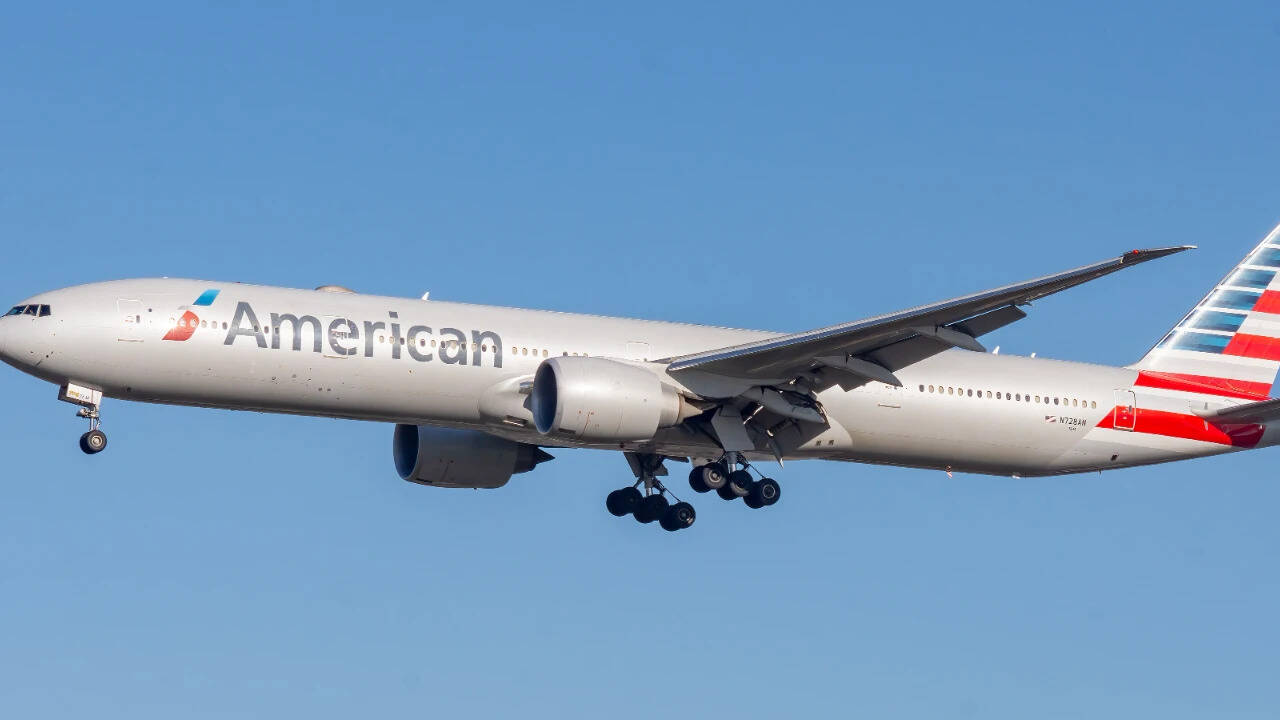
American Airlines quietly rewrote the rules on booking protection. If you purchase a ticket within seven days of departure, that federal safety net of a 24-hour risk-free cancellation no longer applies. Passengers who make last-minute plans are waking up to a harsh reality. The ticket they bought thirty minutes ago is non-refundable, even if their plans immediately implode.
The Department of Transportation mandates that airlines give consumers twenty-four hours to cancel a flight reservation for a full refund, provided the booking was made at least a week before the scheduled departure. For years, carriers treated this as a baseline rule across the board. American Airlines decided to test the edges of compliance. By stripping away this protection for late-breaking itineraries, the carrier is shifting financial risk directly onto the consumer. For another look, check out: this related article.
Corporate policy shifts rarely happen in a vacuum. To understand why this change occurred, you have to look at the intersection of airline revenue management and post-pandemic consumer behavior.
The Mechanics of Last Minute Inventory
Airlines do not price seats based on goodwill. They price them on algorithmic desperation. When a passenger books a flight four days before departure, the carrier knows that traveler is likely flying for an urgent business meeting or a family emergency. These last-minute buyers represent high-yield revenue. Similar analysis on the subject has been shared by National Geographic Travel.
Historically, the 24-hour rule allowed travelers to lock in a fare, check if a better option existed, or confirm details with a spouse or employer without financial penalty. Passengers abused this flexibility. Speculative booking became a sport. Travelers would throw holds on multiple flights, tying up high-demand inventory until the final possible minute before releasing the seats back into the system.
American Airlines views the restriction of the 24-hour refund window as an inventory control measure. Empty seats on a departing flight represent perishable goods with an expiration date measured in hours. If a passenger holds a seat under the federal grace period and drops it six hours before pushback, the airline often loses the chance to sell that inventory to a high-paying corporate flyer.
By eliminating the refund window for tickets bought within seven days, American forces a binary choice. Buy the ticket and own the consequences.
This creates a severe friction point for legitimate travelers. Imagine a scenario where a project manager books a flight on a Tuesday for a Thursday morning client presentation. Two hours later, the client cancels the meeting. Under the revised policy, that ticket is locked. The passenger faces a choice between eating the entire cost of the fare or navigating airline credit rules, which usually come with expiration dates and booking fees.
The financial penalty shifts entirely to the buyer. The airline keeps the cash or issues a restricted future flight credit, locking the customer back into their ecosystem.
The Regulatory Loophole
The Department of Transportation rule is specific. Carriers must offer a full refund for any booking made seven days or more prior to the flight's scheduled departure, provided the cancellation happens within 24 hours of purchase. Alternatively, airlines can choose to hold a reservation without payment for 24 hours.
Notice what is missing. The federal mandate is silent on bookings made less than seven days out.
For decades, consumer expectations outpaced federal minimums. Most major legacy carriers voluntarily extended the 24-hour refund policy to all bookings, regardless of purchase date, simply as a matter of customer service and brand hygiene. It was good PR. It lowered purchasing anxiety.
American Airlines is betting that brand loyalty is durable enough to survive the stripping away of voluntary perks. This is a calculated gamble. In an oligopoly where three or four major carriers control the domestic market, passengers often choose based on schedule convenience or frequent flyer hub proximity rather than customer service sentiment.
If American makes it harder to cancel late bookings, will travelers switch to Delta or United? History suggests they will grumble on social media, book the flight anyway, and absorb the loss when plans change.
How to Protect Your Wallet
Navigating this new environment requires a tactical shift in how you approach travel planning. The era of casual booking and changing your mind at leisure is over, specifically for trips on the horizon.
Stop treating late purchases as test runs. If you are buying a ticket inside the seven-day window, assume the transaction is permanent. Double-check meeting times, hotel availability, and family schedules before you hit the final purchase button.
Consider travel insurance or credit card protections. Many premium travel credit cards offer trip cancellation and interruption insurance, but read the fine print carefully. Standard credit card protections usually cover medical emergencies, severe weather, or jury duty. They rarely cover a client canceling a meeting or an internal corporate schedule shift.
Look at fare classes. Main cabin flexible tickets or fully refundable fares cost significantly more upfront, but they act as an insurance policy against your own shifting schedule. If there is even a ten percent chance your trip will fall apart, paying the premium for a refundable ticket is cheaper than throwing away the cost of a restrictive basic economy or standard main cabin seat.
Airlines are banking on your complacency. They know most consumers do not read the fine print when booking a flight under pressure.
The industry is reverting to a transactional model where every ounce of flexibility carries a price tag. American Airlines has made its move. The onus is now on the traveler to adapt to an aviation marketplace that has zero room for second thoughts.