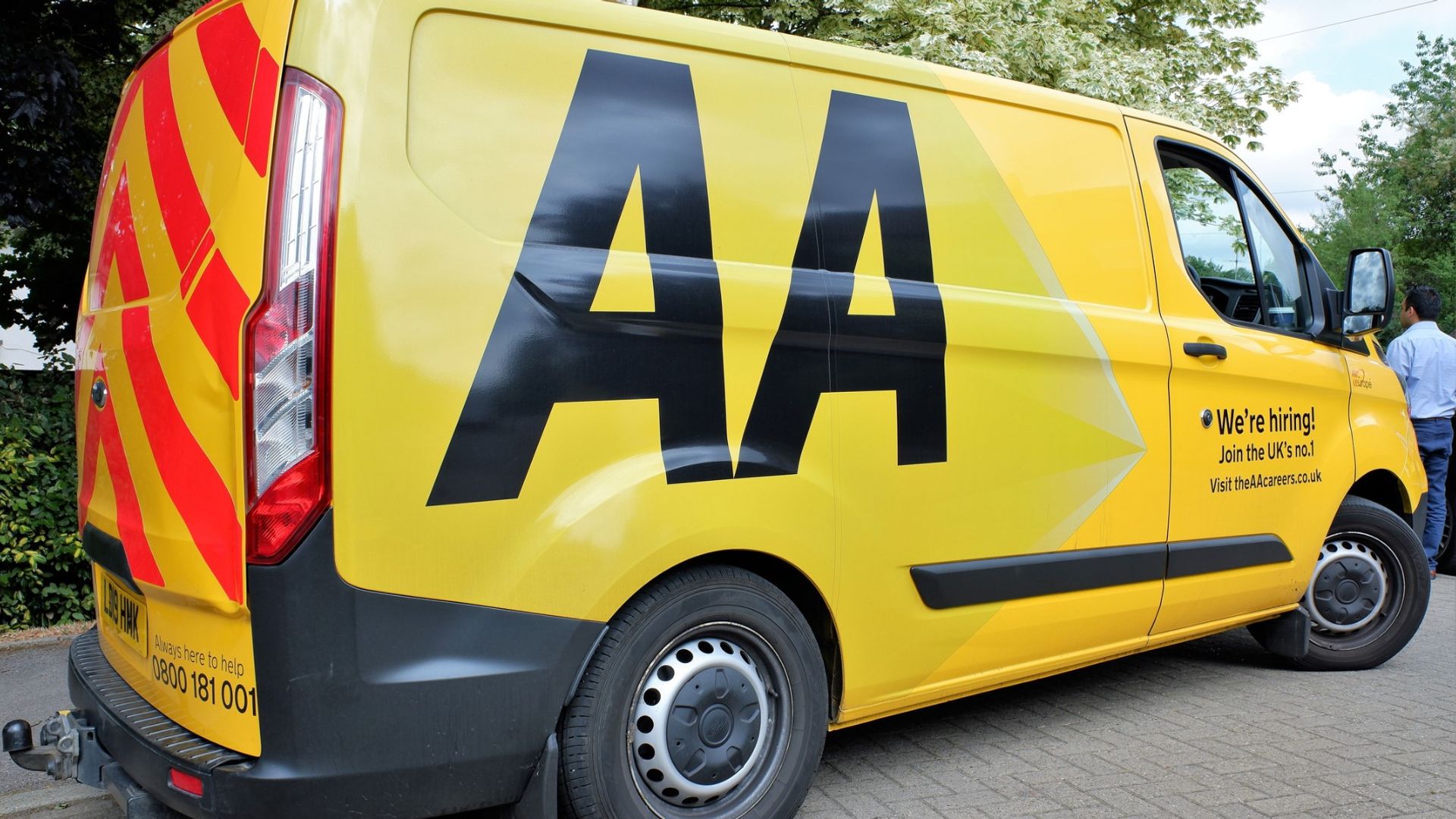
German insurance giant Allianz is currently weighing a five billion pound takeover of the AA, the ubiquitous British roadside rescue institution. This proposed acquisition represents a high-stakes collision between traditional European institutional capital and the stubborn operational realities of UK consumer infrastructure. For decades, the AA has survived private equity churn, heavy debt burdens, and shifting consumer habits. Now, it finds itself targeted by a continental underwriter looking to secure direct access to millions of British motorists.
Markets rarely price convenience accurately. When a multi-line insurer eyes a service provider, the strategy usually revolves around ecosystem control rather than immediate margin expansion. Allianz already sits on a mountain of risk data. Owning the yellow vans changes the equation entirely. Instead of simply paying out claims after a collision or a mechanical failure, an insurer that owns the tow truck can manage the incident from the initial roadside breakdown through to the final body shop repair.
The Private Equity Inheritance
To understand why the AA is back on the block, you have to look at the scars left by its financial engineering past. Private equity firms TowerBrook Capital Partners and Warburg Pincus took the motoring association private in 2021 in a deal valuing the enterprise at roughly four billion pounds, including debt. They inherited a balance sheet crushed by legacy leverage dating back to its days under previous owners like Centrica and private equity roll-ups.
Debt loads have long defined the corporate rhythm of the AA. When a company carries that much structural weight, every strategic decision gets filtered through cash flow generation for debt service rather than long-term infrastructure investment. The roadside assistance market demands constant capital expenditure. Fleet electrification introduces massive new variables. Internal combustion engine vehicles break down differently than battery-electric vehicles. High-voltage battery failures require specialized transport, specialized technician training, and entirely new equipment portfolios.
TowerBrook and Warburg Pincus poured capital into modernizing the digital app experience and stabilizing membership numbers, but the fundamental tension remained. A rescue service requires physical assets and human labor deployed across thousands of miles of damp tarmac at three in the morning. That model scales poorly compared to pure software. Allianz looks at that historical debt drag and sees an undervalued asset that can be stabilized under a balance sheet with a much lower cost of capital.
The Insurance Playbook
Insurance is fundamentally about frequency and severity. Roadside assistance gives an insurer high-frequency touchpoints with the customer. If you call the AA because your alternator died, you are interacting with your service provider in a moment of stress. Whoever fixes your car in that moment holds immense brand loyalty capital.
Allianz wants that loyalty. Traditional insurance distribution in the United Kingdom relies heavily on price comparison websites. Consumers treat policies like commodities, shopping purely on price every twelve months. This destroys underwriting margins. By embedding roadside assistance directly into an insurance proposition, a carrier creates a sticky ecosystem.
- Direct ownership bypasses broker fees.
- First-party data allows for precise risk scoring before a policy even renews.
- Vertical integration squeezes out third-party contractor margins during claim events.
This is not a new playbook. Insurers have tried to buy service networks for decades with mixed results. Managing a mobile workforce of thousands of mechanics requires operational discipline that differs vastly from actuarial math. Cultures clash. A German multinational known for conservative risk management and rigid corporate hierarchies will have to integrate a distinctly British operation characterized by roadside pragmatism and unionized field labor.
The Electric Vehicle Bottleneck
The transition away from internal combustion engines poses an existential operational threat to traditional breakdown services. Electric vehicles feature fewer moving parts. They do not suffer from traditional engine seizures, failed fuel pumps, or exhaust system collapses. On paper, that sounds like lower maintenance costs for the consumer. On the road, it changes the nature of roadside recovery entirely.
When an electric vehicle loses power or suffers a severe thermal event in its battery pack, simple roadside repair is often impossible. You cannot patch a high-voltage cell on the shoulder of the M25. The vehicle must be lifted onto a flatbed and hauled to a certified high-voltage repair facility.
This shifts the capital requirements for the AA. Flatbed trucks cost significantly more than traditional tow-and-wink apparatus. Transporting stranded electric vehicles requires specialized fire blankets, quarantine protocols for damaged lithium-ion packs, and continuous training for every patrol officer.
Traditional Fleet Cost Structure vs. EV Transition Costs
--------------------------------------------------------
Traditional: High maintenance frequency, low transport severity
EV Fleet:    Low maintenance frequency, high transport severity
Allianz has the balance sheet to fund this capital expenditure cycle. The AA alone would struggle to finance a complete fleet overhaul while simultaneously servicing legacy corporate debt obligations. That is the hidden logic behind the five billion pound price tag. You are not just buying current membership dues; you are funding the industrial transition required to keep those members moving over the next twenty years.
Regulatory Scrutiny and Market Realities
Any deal of this magnitude will face severe regulatory hurdles. The Competition and Markets Authority in the United Kingdom tends to look unfavorably upon vertical consolidation that restricts consumer choice in essential services. If a dominant insurer owns the primary breakdown provider, questions arise around product bundling, data exclusivity, and market foreclosure for independent brokers.
Furthermore, the consumer base itself presents a challenge. AA members are notoriously price-sensitive. If they perceive that a foreign financial institution is squeezing the service to pad underwriting margins, churn rates will spike. Roadside rescue relies entirely on trust. When your car breaks down in the rain, you do not care about corporate synergies; you care about the person in the yellow jacket showing up with the right tools.
The five billion pound valuation reflects a premium for that brand equity. Whether Allianz can preserve that equity while imposing continental efficiency standards will determine if this massive transaction becomes a masterclass in strategic integration or an expensive cautionary tale about the limits of financial engineering in physical service industries.