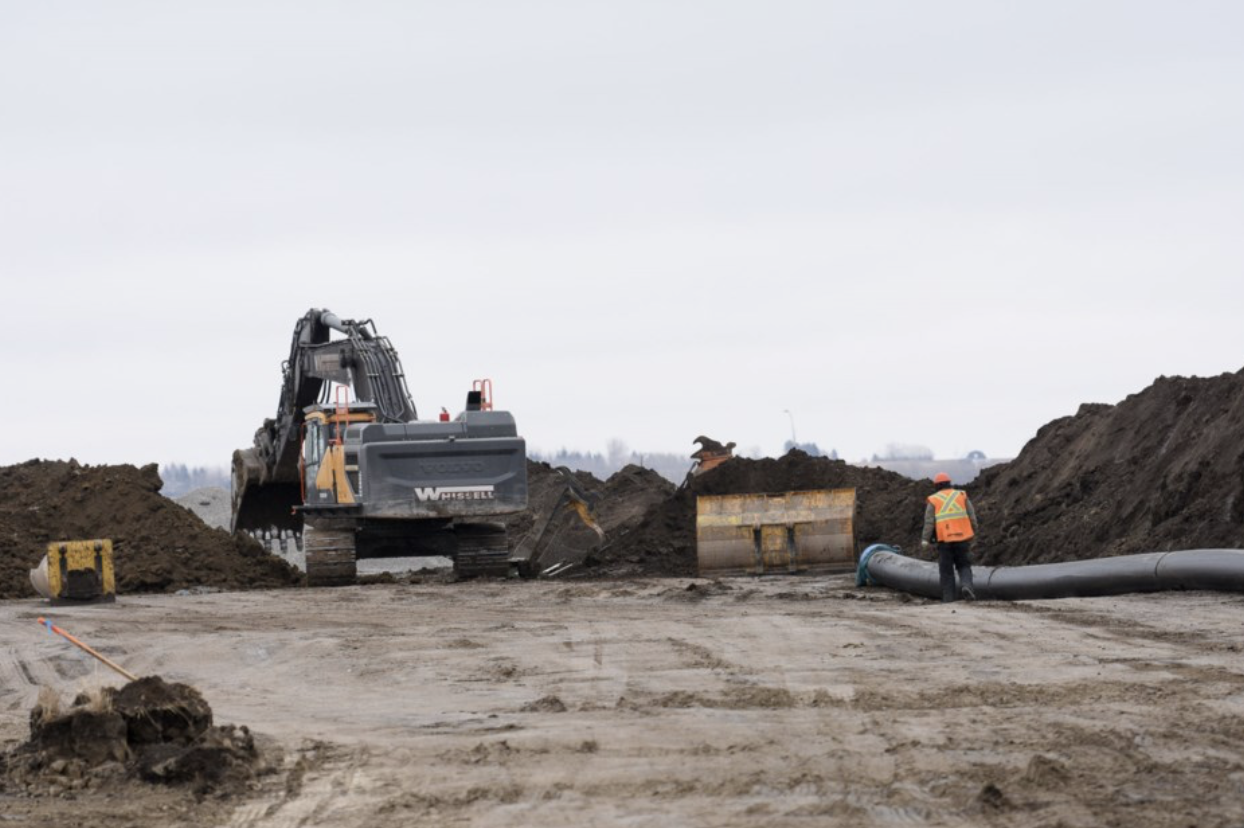
Every mayor from Okotoks to Airdrie is popping champagne over the joint federal-provincial cash drop for local infrastructure. Half a billion dollars from Ottawa through the Canada Housing Infrastructure Fund, matched by close to half a billion from the province, sounds like the cavalry has arrived.
They are celebrating paperwork. They are cheering for concrete pipes while ignoring the math that makes those pipes irrelevant.
The lazy consensus in every municipal office right now is that more money for water mains and wastewater treatment means a direct surge in homebuilding. Politicians love this narrative because it sounds clean. Build a pipe, unlock a subdivision, solve the housing crisis.
The reality on the ground is far uglier. I have watched developers blow millions engineering subdivisions that sit empty for years because the macro-economics of construction do not pencil out, regardless of whether there is a trunk line at the property line. Pumping nine hundred million dollars into municipal balance sheets over eight years does not fix a broken labor market, it does not neutralize high interest rates, and it certainly does not override municipal zoning friction.
The Core Delusion of Shovel-Ready Bureaucracy
Let us define terms. Municipal infrastructure funding is not a housing policy. It is an engineering subsidy.
When the press reports that Alberta mayors welcome this money, they treat the announcement as if sod will be turned tomorrow and homes will rise by winter. That is false. The Canada Housing Infrastructure Fund operates on an eight-year timeline. Eight years in real estate development is an eternity. Economic cycles turn twice, interest rates fluctuate wildly, and municipal councils change face.
More importantly, mayors like Okotoks' Tanya Thorn are already lining up to use this cash to backfill historical debt on projects they built years ago. That is not accelerating homebuilding. That is a municipal bail-out disguised as economic stimulus. When a town uses new housing infrastructure grants to reimburse itself for a water pipeline it already debt-financed, zero new housing units are added to the market. Zero.
Why Permits Are a Red Herring
Public debate fixates on red tape. Pundits scream about zoning reforms, public hearings, and slow municipal permit approvals.
That debate is misdirected. You can rezone a quarter-section of farmland in a single afternoon if the political will exists. You still cannot pour a single foundation if the cost of capital makes the project financially toxic for the builder.
Imagine a scenario where a municipality secures millions from this new fund to run stormwater and wastewater lines to a greenfield development. The pipes are laid. The trench is covered. The mayor cuts a ribbon. But local framing crews are scarce, financing costs sit at restrictive levels, and presales have flatlined because buyers cannot qualify for mortgages at current rates. The pipes sit dry. The land sits vacant.
The bottleneck in Alberta is never just the physical pipe. It is a tripartite squeeze of labor shortages, financing costs, and compressed developer margins. Throwing public debt at the plumbing does nothing to solve the underlying solvency of the end buyer.
The Real Winners of the Nine Hundred Million Dollar Drop
Strip away the political theater from Red Deer and look at who actually benefits from this cash injection.
- The Municipal Finance Officers: Towns with legacy infrastructure debt get to shuffle their balance sheets.
- The Engineering Consultants: Feasibility studies and master drainage plans will bill out at top dollar before a single spade breaks soil.
- Large Landholders: Developers sitting on unserviced raw acreage suddenly find their asset values propped up by public capital.
Notice who is missing from that list? The family looking for a three-bedroom detached home under six hundred thousand dollars. They will not see a price reduction because the trunk line was subsidized. Land values simply absorb the savings. When you remove a physical constraint using public funds, the owner of the raw land captures the economic rent.
The Hard Deadlines That Will Expose the Bluff
The agreement dictates that Alberta must submit projects totaling at least twenty-five million in federal contributions for review by November 30, 2026.
Watch what happens between now and then. Municipalities with shovel-ready plans will scramble to grab their share, while structurally delayed cities will watch the window close or scramble to cobble together half-baked proposals just to avoid leaving money on the table. This creates a perverse incentive: rushing capital allocation to meet bureaucratic arbitrary dates rather than matching spending to true regional growth patterns.
Alberta housing starts are already softening, down roughly five percent year-over-year as the market digests past rate shocks and population absorption pressures. Pumping nine hundred million dollars into long-term civil works will not reverse a short-term construction downturn.
Stop pretending that civic plumbing solves a macroeconomic affordability crisis. Until the cost of building structurally drops and labor supply catches up to demand, celebrating infrastructure grants is just politicians cheering for more expensive holes in the ground.