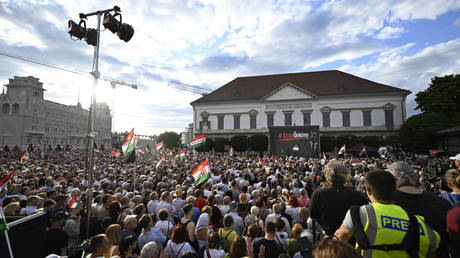
The political climate across Europe has hardened dramatically. If you're watching capitals from Berlin to Rome, the drift toward nationalist and conservative governance is impossible to ignore. For thousands of Afghan refugees who sought safety after the chaotic Western withdrawal from Kabul, this swing represents a terrifying reality. Doors that once stood ajar are slamming shut.
The Rising Tide of Border Nationalism
Right-wing factions across the continent are capitalizing on anti-immigrant sentiment. Rhetoric that used to live on the political fringe is now driving mainstream policy. Parties championing strict border controls and restrictive asylum definitions have gained unprecedented leverage. For a more detailed analysis into this area, we suggest: this related article.
Take Germany and Austria, for instance. Conservative and nationalist leaders are pushing hard for policies that question the permanence of humanitarian statuses granted years ago. Terms like "remigration"—once obscure jargon—are now bandied about in public debates, signaling a cultural and political hostility that leaves Afghans stranded in legal limbo.
Human rights organizations point out that this institutional shift ignores ongoing dangers inside Afghanistan under Taliban rule. Yet, domestic political pressures in Europe prioritize deterrence over international obligation. Asylum seekers find themselves caught in a bureaucratic grinder where every policy update brings news of stricter deportations or delayed family reunification. To get more information on this development, in-depth reporting can also be found on The Washington Post.
Stigmatization of Single Men and Vulnerable Groups
Navigating the European asylum maze is brutal, but being a young, single male Afghan refugee brings an entirely different layer of systemic punishment. Data from migration monitoring groups shows that single men are frequently viewed through a lens of suspicion rather than vulnerability.
When young Afghans turn eighteen within the European reception system, support services often vanish overnight. They transition instantly from vulnerable youth to perceived threats in the eyes of caseworkers and local police. Organizations like Doctors Without Borders report that male survivors of trauma and violence on migration routes rarely receive adequate psychological care because the system assumes men are immune to suffering.
This systemic coldness forces many into homelessness or informal labor markets. They try to integrate, learn local languages, and enroll in schools, but institutional walls push them back.
What This Means for the Future of Asylum
The transformation of Europe's migration policy carries profound implications. When governments bypass humanitarian frameworks to appease nationalist voting blocks, the foundational framework of international human rights protection fractures.
For Afghan families and individuals trying to rebuild their lives, the message from European capitals is grim. Stability feels entirely out of reach. As political shifts continue to dictate who belongs and who is treated as a permanent outsider, the human cost keeps mounting behind closed doors.
Afghan refugees: New asylum laws in Europe raise fears
This video report examines how stricter asylum laws and shifting political landscapes across Europe are fueling anxiety among Afghan refugees facing potential deportations.
http://googleusercontent.com/youtube_content/1