The 10,000-Foot Fallacy
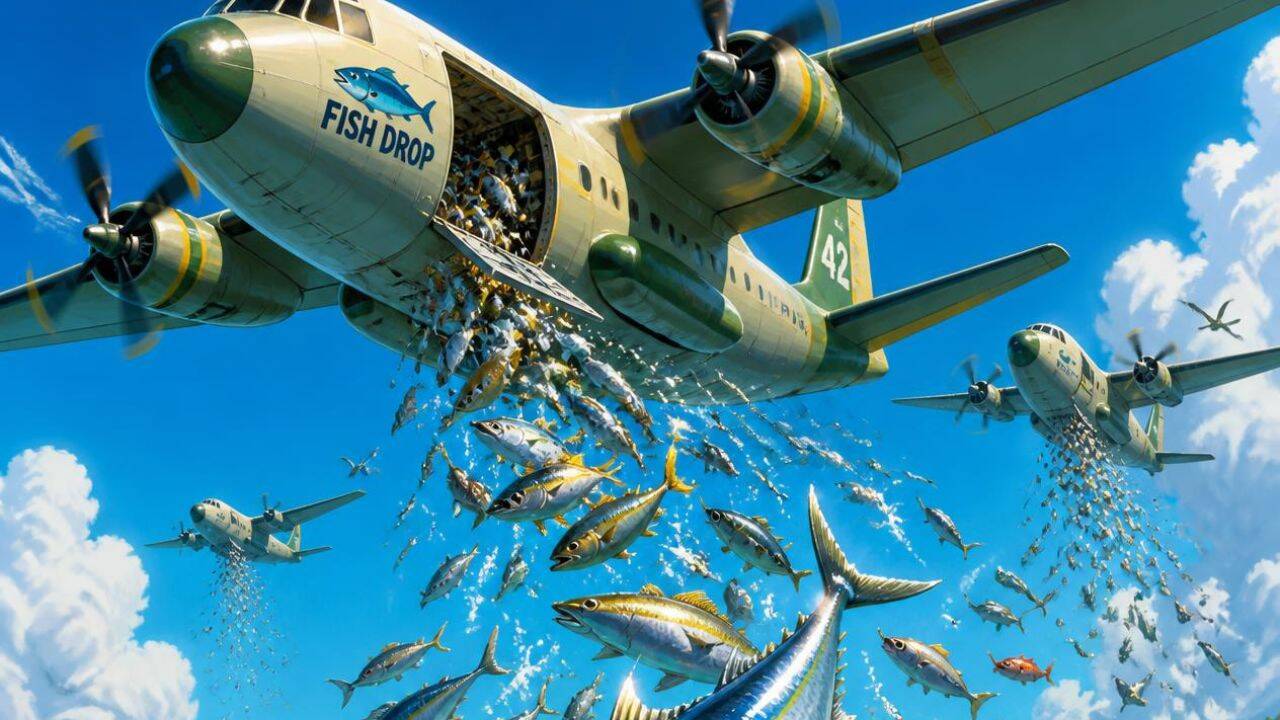
Every summer, State Wildlife Agencies trot out the same viral video. A C-46 or a specialized Cessna swoops over a high-altitude alpine lake. The belly opens. Thousands of tiny fingerling trout fall through thin air, tumbling hundreds of feet into a pristine basin.
The internet eats it up. The comments section calls it a marvel of modern conservation.
It is a circus trick.
I have spent decades tracking high-basin hydrology and fisheries management strategies. I have watched wildlife management departments burn hundreds of thousands of dollars dropping non-native game fish into ecosystems that never evolved to support them. We are told this airborne bombing run restores nature. In reality, it satisfies a vocal minority of recreational anglers while quietly systematically wrecking fragile mountain biodiversity.
We need to stop pretending that dropping thousands of fish from the sky is conservation. It is an industrial supply chain for backcountry sport fishing masquerading as environmental stewardship.
What the Viral Videos Conveniently Omit
The mainstream narrative is slick: remote mountain lakes lack natural fish populations due to geography, so state agencies step in to "help" by seeding these waters from above. Fingerling trout—usually brook, rainbow, or cutthroat—are small enough and light enough that the air resistance slows their descent. Most survive the impact with the water.
That part is true. The physics works. The biology is where the entire narrative collapses.
1. High-Altitude Lakes Were Never Supposed to Have Fish
Most alpine and subalpine lakes formed through glacial retreat. They sit above natural barriers like waterfalls, meaning fish could never colonize them naturally. These pristine waters were naturally fishless ecosystems.
When you drop 500 trout into an isolated alpine tarn, you are not "restoring" an ecosystem. You are introducing an apex predator into a habitat that has spent ten millennia evolving without one.
2. The Amphibian Massacre
Before aerial stocking took off in the mid-20th century, high-mountain lakes were dominated by endemic amphibians, macroinvertebrates, and large zooplankton species like Daphnia.
Researchers like Dr. Roland Knapp have documented the consequences for decades in California’s Sierra Nevada. The introduction of non-native trout wiped out native species like the Mountain Yellow-legged Frog (Rana muscosa) across massive swathes of their historic range. The trout do not just compete with native species; they eat them into localized extinction.
3. The Trophic Cascade downstream
A high-altitude lake does not exist in a vacuum. It drains into creeks, rivers, and lower basins. Non-native trout stocked at 10,000 feet do not stay where you drop them. They escape downstream during spring runoff, hybridizing with genetically distinct native fish populations or outcompeting native cutthroat subspecies.
+---------------------------+
|  Aerial Stocking Drop     |
| (Non-Native Fingerlings)  |
+-------------+-------------+
              |
              v
+---------------------------+
|   Alpine Basin Tarn       |
| - Amphibian collapse      |
| - Macroinvertebrate wipe  |
+-------------+-------------+
              |
              v (Spring Runoff Outflow)
+---------------------------+
|  Low-Elevation Streams    |
| - Genetic hybridization   |
| - Displacement of natives |
+---------------------------+
Dismantling the Defense
When confronted with ecological data, management agencies usually retreat behind three stock defenses. Let us address them directly.
"We only stock sterile triploid fish now."
This is the most common counterargument. Agencies claim that by using sterile (triploid) fish, they prevent self-sustaining populations from forming, ensuring that once the stocked fish die off, the lake can reset.
Here is the cold reality:
- Triploid sterilization protocols are rarely 100% effective at scale across millions of hatchery eggs.
- Even if a fish cannot reproduce, a sterile trout lives for five to ten years. A decade of constant predation by a sterile predator causes the exact same ecological devastation to an amphibian breeding cycle as a fertile one.
- Agencies do not stock a lake once and walk away; they re-stock on a recurring cycle, creating a permanent predator presence.
"It generates crucial state license revenue."
Now we hit the actual motivation. Backcountry angling drives hunting and fishing license sales, outdoor gear purchases, and regional tourism dollars.
State fish and wildlife agencies depend heavily on funds tied to the Pittman-Robertson and Dingell-Johnson acts, along with direct license sales. Their financial incentives align with recreational satisfaction, not raw biological integrity. They are supplying a consumer demand, not protecting a wilderness.
"These lakes would be barren without stocking."
Calling a fishless lake "barren" reveals a fundamental misunderstanding of mountain ecology. A lake without trout is thriving with specialized aquatic insects, fairy shrimp, and amphibians adapted specifically to an environment free of swimming predators. Calling it "barren" because you cannot catch a trout out of it is pure anthropocentric arrogance.
How to Actually Fix High-Basin Management
If we want actual conservation instead of airborne recreation management, the playbook needs to flip entirely.
1. Halt Aerial Drops in Protected Wilderness Areas
Wilderness areas designated under federal protection are legally mandated to remain untamed and unmanipulated by human intervention. Dropping cultured hatchery fish from a airplane into a designated wilderness area violates the very spirit of that mandate. Stop the flights in wilderness zones immediately.
2. Expand Chemical and Mechanical Eradication Programs
Where stocking has been halted, nature does not always heal automatically because feral populations of brook or rainbow trout have already established self-sustaining breeding runs.
In places like Yosemite and Sequoia-Kings Canyon National Parks, gill-netting programs and targeted removal of introduced trout have led to dramatic, rapid recoveries of native frog populations. We need to fund suppression, not introduction.
3. Concentrate Angling in Resilient, Low-Elevation Impoundments
Anglers do not need trout dropped into every isolated 11,000-foot tarn. Concentrate hatchery efforts in artificial reservoirs, heavily managed front-country lakes, and impacted river stretches where ecological damage has already occurred and access is easy. Leave the high country wild.
The Trade-Off We Have to Accept
Let us be completely transparent about the cost of this shift.
If agencies stop dropping fish into high mountain lakes, backcountry fly fishing will get harder. You will no longer be able to hike to a remote tarn five miles off the trail and pull out twenty desperate brook trout in an afternoon. Some lakes will become completely fishless for anglers.
That is a trade-off worth making.
True wilderness is not an amusement park stocked for our entertainment. It is an interconnected biological system that functions best when we stop bombing it with artificial predators from 500 feet in the air.
If you want to catch fish, go to a reservoir. If you want to experience the high backcountry, learn to appreciate a lake for what it was before we decided to turn it into an elevated aquarium.


